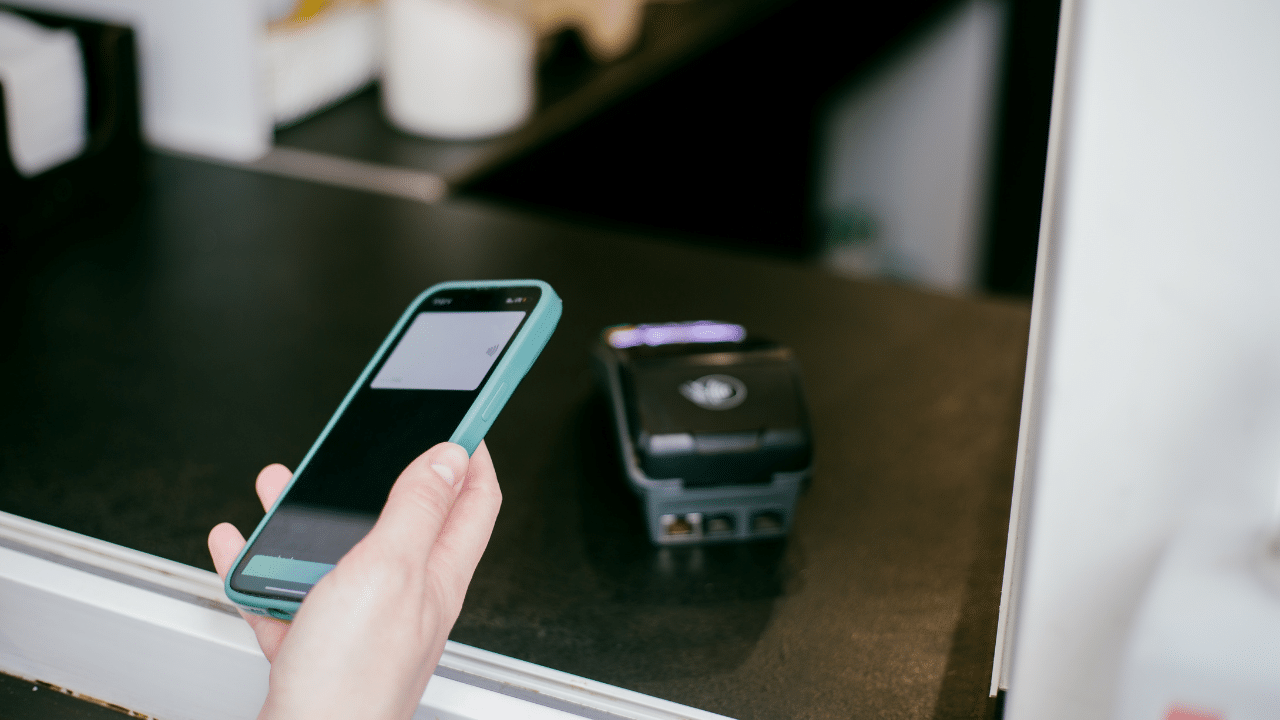
Apple Pay Launches in Philippines, Accelerating Cashless Transition
Apple Pay has officially launched in the Philippines, accelerating the country's shift towards cashless payments. Initially supporting select bank cards, with more expected to follow, the service offers consumers a secure and convenient way to make contactless purchases.
This article requires PRO
This article is outside the free access window or is a special report. PRO unlocks it and the full archive.
Related articles
- Bill Seeks to Use Digital Transactions for Credit Scoring in Philippines
A bill has been filed in the Philippines that would allow Filipinos to use their digital transaction histories to prove creditworthiness, potentially expanding access to financial services for those with limited or no traditional credit history.
- Apple Pay Debuts in Philippines, Accelerating Digital Payment Adoption
Apple Pay has officially launched in the Philippines with four partner banks, enabling contactless payments via iPhone and Apple Watch, and within apps and websites. This move is expected to further accelerate the adoption of digital payments in the country.
- Visa Cardholders in the Philippines Gain Access to Apple Pay
Visa debit and credit cardholders in the Philippines can now use Apple Pay on their Apple devices. This move is expected to enhance payment security and convenience both domestically and internationally, supporting the nation's vision for a cash-lite economy.
- Apple Pay Debuts in the Philippines, Bolstering Cashless Payments
Apple Pay has launched in the Philippines, expanding mobile wallet options. Eligible Visa and Mastercard cardholders can now use Apple Pay on their devices, accelerating the adoption of contactless payments.