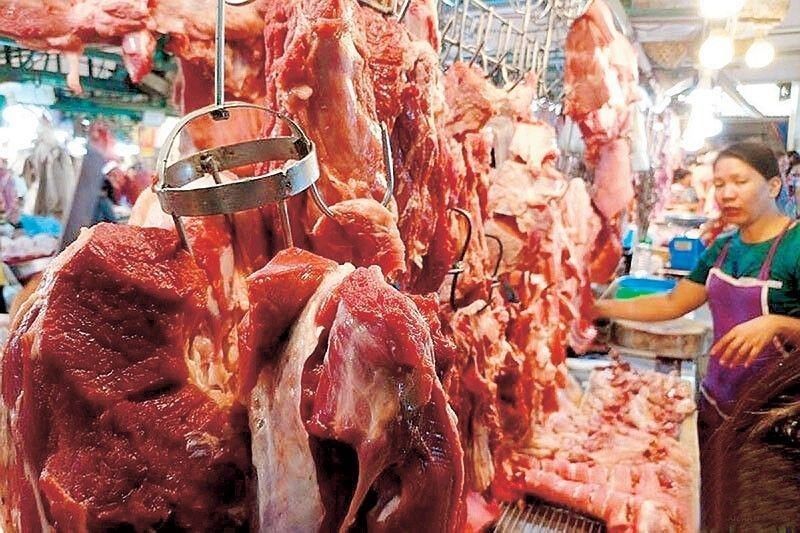
Brazil Bets on Rising Demand for Beef Exports to Philippines
Economy
2026年7月14日
4
Philstar Business

Brazil Bets on Rising Demand for Beef Exports to Philippines

AI サマリー

Brazil's beef exporters association (ABIEC) anticipates continued growth in beef exports to the Philippines, driven by urbanization and rising incomes. The Philippines is already a top 10 destination for Brazilian beef.

Brazil, a leading supplier of beef to the Philippines, is anticipating continued growth in its beef exports to the country, driven by a rising urban population and increasing incomes, an industry group said. The Associação Brasileira das Indústrias Exportadoras de Carnes (ABIEC), Brazil's beef exporters association, reported that the Philippines imported 29,400 metric tons (MT) of Brazilian beef valued at $130.8 million from January to May. ABIEC noted a steady increase in Brazilian beef imports to the Philippines, rising from 39,700 MT in 2020 to a projected 96,200 MT in 2025. Julio Ramos, ABIEC's Strategic Affairs director, attributed this growth to the Philippines' expanding younger population, increasing urbanization, the growth of the food service sector, and rising incomes. "The outlook is very positive. The Philippines is already among the top 10 destinations for Brazilian beef and represents one of the most dynamic markets in Asia for the sector," Ramos stated. Beef consumption in the Philippines is expected to grow by an average of 4.4 percent annually by 2029, while the food service sector is projected to expand by over 11 percent due to urbanization, rising incomes, and tourism growth. "These factors help sustain demand and reinforce the importance of maintaining stable and efficient supply chains between our countries," Ramos added. He highlighted that Brazilian beef caters to various segments of the Philippine market, from industrial needs to retail and food services. Brazil's primary advantage, according to Ramos, is its ability to complement the Philippines' protein supply with regular, safe, and competitive deliveries. He stressed the importance of strengthening collaboration among companies, importers, and government authorities from both nations to enhance trade potential. The Brazilian embassy and its Agricultural Attaché Office have been instrumental in fostering ties between the private sectors of Manila and Brasilia through technical dialogues and expanding business opportunities. Brazil, the world's largest beef exporter, is a major source of imported beef for the Philippines, supplying approximately 46 percent of its imports. The Philippines relies on imports for about 60 percent of its total beef demand. Data from the Bureau of Plant Industry indicates that the Philippines imported 65,157 MT of beef as of April 2026. Source: Philstar Business

多角的分析

経済的影響

フィリピン経済は、都市化と所得増加に伴い、食料品、特にタンパク質源への消費需要が堅調に伸びている。ブラジル産牛肉の輸入増は、この国内需要の増加を反映するものであり、フィリピンの食料安全保障とサプライチェーンの多様化に寄与する。一方で、国内の畜産業への影響や、輸入価格の変動がインフレ圧力に繋がる可能性も考慮する必要がある。ブラジルのような大規模生産国からの安定供給は、価格安定に寄与する一方、国内生産者の競争力維持が課題となる。

投資家心理

フィリピンの食料品市場、特にタンパク質関連セクターへの投資機会を示唆している。消費者の購買力向上と外食産業の拡大は、食品輸入業者、流通業者、そして最終的には小売業者にとって追い風となる。ブラジルからの安定した供給は、これらの事業者の在庫管理や価格設定に有利に働く。投資家は、フィリピン国内の食品加工・流通インフラへの投資や、ブラジル産牛肉の輸入・販売に関わる企業の成長性を評価するだろう。

社会的影響

フィリピンの都市部における食生活の変化と、それに伴う食料供給のグローバル化が進んでいることを示している。所得向上により、より多様な食材へのアクセスが可能になり、ブラジル産牛肉のような輸入品への需要が高まっている。これは、フィリピン国民の食の選択肢を広げる一方で、国内の畜産業従事者にとっては、競争の激化や生活基盤への影響という側面も持ちうる。また、食料安全保障の観点から、輸入依存度の上昇はリスク要因ともなりうる。

市民の声

フィリピン国民、特に都市部で生活する人々は、所得の増加とともに食卓に並ぶ食材の選択肢が増えている。ブラジル産牛肉の輸入拡大は、より多様で国際的な食文化へのアクセスを可能にし、外食産業の発展にも寄与している。しかし、食料品価格の動向は、依然として多くの家計にとって重要な関心事であり、輸入食品の価格安定が求められる。また、国内の食料生産者との関係性や、食料自給率への影響も、市民生活に間接的に関わる問題である。

背景・歴史的文脈

フィリピンは、国内の牛肉生産量が需要を大きく下回っているため、長年にわたり牛肉の輸入に依存している。特に都市部での人口増加と所得水準の向上は、食肉消費量の増加を牽引してきた。ブラジルは世界有数の牛肉輸出国であり、フィリピンは既に同国からの輸入を主要な供給源の一つとしている。過去数年間、フィリピン政府は食料安全保障の観点から、輸入先の多様化と安定供給の確保に努めており、ブラジルとの貿易関係強化はその一環と見られる。2026年4月時点での輸入実績は、この傾向が継続していることを示唆している。

原文ソース

Philstar Business

原文を読む