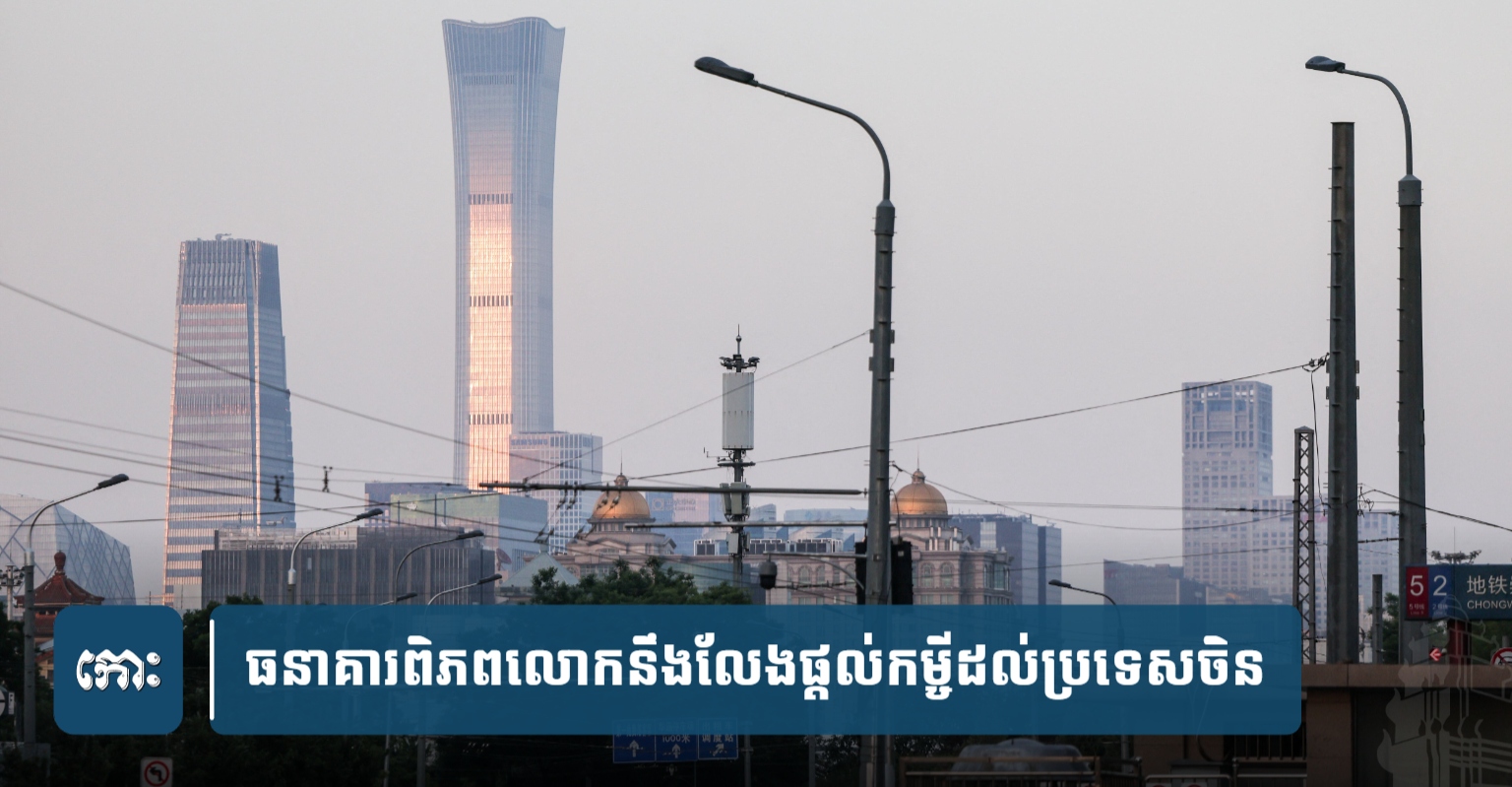
World Bank to Cease Loans to China by 2031
The World Bank will completely cease lending to China by 2031, reflecting China's economic development. This shift may impact development aid for countries like Cambodia and signals a move towards a knowledge-sharing role for the bank.
This article requires PRO
This article is outside the free access window or is a special report. PRO unlocks it and the full archive.
Related articles
- Cambodia Approves $8.4B in Investments, Resuming Stalled Projects in Sihanoukville
The Cambodian government has approved approximately $8.4 billion in investments, leading to the resumption of over 100 stalled construction projects in Sihanoukville. This initiative aims to revitalize the real estate market and restore investor confidence.
- Cambodia Streamlines SME Registration with New One-Stop Service Agency
The Cambodian government has established a dedicated secretariat within the SME Coordination Unit to simplify registration, licensing, and permit application processes for Small and Medium Enterprises (SMEs). This initiative aims to create a one-stop service, reducing complexity, time, and costs for businesses.
- Cambodia Strengthens Water Resource Cooperation with World Bank to Tackle Climate Change
Cambodia's Ministry of Water Resources and Meteorology has announced an enhanced cooperation with the World Bank, focusing on addressing challenges in the water resource sector impacted by climate change. Two projects, the Cambodia Agricultural Sector Diversification Project (CASDP) and the Cambodia Water Security Improvement Project (CaWSIP), are currently underway.
- Sihanoukville's Stalled Projects Revive, Over 100 Underway
Over 100 stalled construction projects in Cambodia's Sihanoukville province have resumed after government incentives, with nearly 100 more in procedural preparation. The province has seen significant investment, but a past real estate boom reliant on Chinese buyers led to a market crash, highlighting the need for diverse investment and clear policies for recovery.