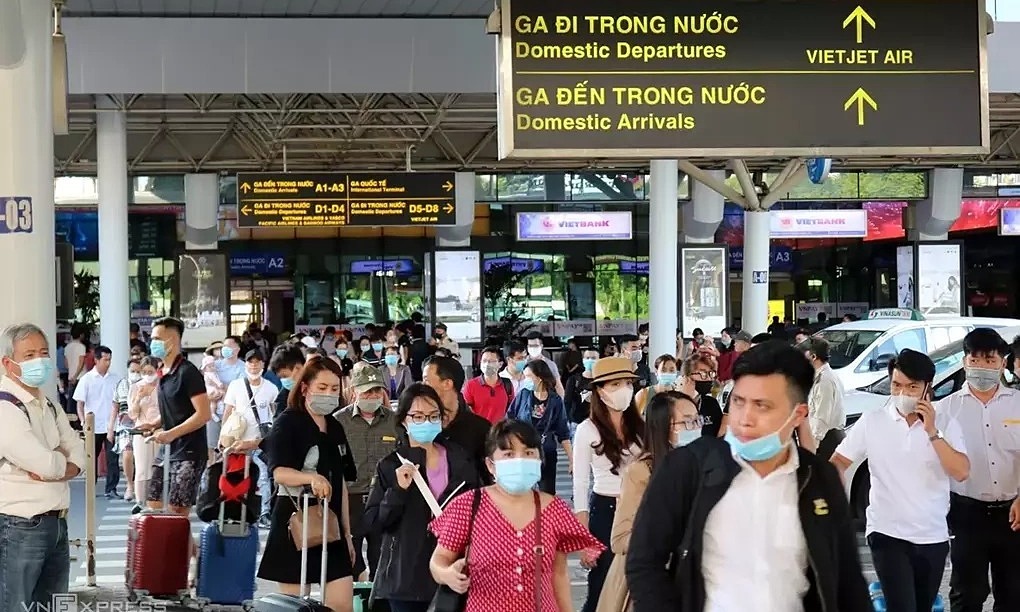
Ho Chi Minh City's Tan Son Nhat Airport Terminal 1 Eyed for Rebuild
Infrastructure
2026年7月14日
4
VnExpress International

Ho Chi Minh City's Tan Son Nhat Airport Terminal 1 Eyed for Rebuild

AI サマリー

Ho Chi Minh City's Tan Son Nhat International Airport is planning a major overhaul of its domestic Terminal 1 (T1) to address aging infrastructure and severe congestion. The project may include underground tunnels to better connect with Terminal 3 and integrate with the upcoming Long Thanh International Airport.

The Airports Corporation of Vietnam (ACV) has put forward a proposal for a significant renovation of Terminal 1 (T1) at Tan Son Nhat International Airport (SGN) in Ho Chi Minh City. The proposal addresses the terminal's aging infrastructure and the persistent congestion that has plagued the airport for years. T1, which covers nearly 41,000 square meters, was designed to handle an annual capacity of about 15 million passengers, or around 41,000 passengers a day. However, during peak travel periods, such as the Lunar New Year holiday, the terminal has often handled nearly 100,000 passengers a day. This surge has resulted in severe congestion at check-in counters, security checkpoints, and pick-up and drop-off areas. ACV stated that after many years of operation, much of T1's infrastructure has deteriorated, and its layout and technology no longer meet current operational requirements. The proposed reconstruction aims to expand the terminal's capacity and introduce modern facilities to meet long-term demand. Tan Son Nhat is expected to continue serving as Vietnam's primary domestic aviation hub. As part of the project, ACV is also studying the feasibility of an underground transport system. This would include one tunnel linking T1 with the airport's parking garage and another providing a direct connection to Terminal 3 (T3). Terminal 3, located about one kilometer away, has been operational for over a year. The tunnels are intended to create an integrated transport network between terminals and parking facilities, reduce traffic conflicts, and make passenger transfers more convenient. Currently, passengers walking between the parking garage and T1 must cross roads used by airport traffic. There is also no direct connection between T1 and T3, requiring passengers transferring between the terminals to travel via roads outside the airport complex. The plans for T1's renovation come as Tan Son Nhat prepares to share passenger traffic with the new Long Thanh International Airport, which is expected to begin operations later this year. Long Thanh International Airport, located 40 km away in Dong Nai Province, is slated to become southern Vietnam's primary international aviation gateway, focusing on markets with strong medium- and long-term growth potential. Tan Son Nhat will continue to handle domestic routes as well as short- and medium-haul international services. ACV is developing an operating strategy for both Tan Son Nhat and Long Thanh airports. Several major Vietnamese airlines have registered to operate at Long Thanh, and discussions are underway with a number of international carriers ahead of the airport's planned opening. Source: VnExpress International

多角的分析

経済的影響

タンソンニャット空港T1の改築は、ベトナムの航空旅客数の急増に対応し、経済成長を支えるためのインフラ投資の一環です。特に、ロンタン国際空港との連携は、ベトナム南部を国際的な物流・観光ハブとして強化する狙いがあります。これにより、航空関連産業の雇用創出や、地域経済への波及効果が期待されます。一方で、大規模インフラ投資には巨額の資金が必要であり、その調達方法と財政への影響は注視すべき点です。

投資家心理

タンソンニャット空港の改築は、ベトナムの航空インフラへの投資機会を示唆しています。ACVが運営する空港の改修・拡張は、国内航空需要の増加と国際線ネットワークの拡大を見据えたものです。投資家にとっては、空港運営会社や関連建設・サービス企業への投資機会となり得ますが、ベトナムのインフラプロジェクトはしばしば政治的・行政的な遅延リスクを伴うため、慎重なデューデリジェンスが求められます。ロンタン空港の開業計画との連携も、投資判断の重要な要素となります。

社会的影響

T1の改築は、空港利用者の利便性向上に直結します。現在の深刻な混雑は、旅行者やビジネス客にとって大きなストレス要因であり、遅延や不快な経験につながる可能性があります。地下トンネルの建設は、ターミナル間の移動を容易にし、乗り継ぎの際の負担を軽減します。また、インフラ整備は、空港周辺地域の雇用創出や地域経済の活性化にも貢献するため、地域住民の生活向上にも寄与すると考えられます。

市民の声

タンソンニャット空港T1の改築は、多くのベトナム市民にとって、国内旅行や国際線への乗り継ぎの際の快適さに直結します。特に、繁忙期の深刻な混雑は、家族旅行や帰省の際の大きな負担となっており、今回の改築によって、よりスムーズでストレスの少ない移動が期待できます。また、空港機能の強化は、ベトナム経済全体の活性化にもつながり、雇用機会の増加や物価への間接的な影響も考えられます。

背景・歴史的文脈

ベトナムは、1986年のドイモイ政策(刷新)以降、市場経済化を進め、目覚ましい経済成長を遂げてきました。特に、製造業の発展と輸出拡大は著しく、航空旅客数もそれに伴い急増しています。タンソンニャット空港は、ベトナム最大の都市であるホーチミン市に位置し、国内最大の旅客数を処理していますが、インフラは需要に追いついていませんでした。ロンタン国際空港の建設は、このボトルネックを解消し、ベトナム南部を国際的な航空ハブとして再構築するための国家プロジェクトです。一党体制下では、インフラ開発は経済成長と国家威信の向上に直結するため、政府は優先的に投資を行っています。

原文ソース

VnExpress International

原文を読む