General articles are free for 24 hours after publish.
Philippines Braces for Fuel Price Surge: Diesel Up P11, Gas P5
The Philippines is set for a significant fuel price hike next week, with diesel expected to jump by nearly P11 per liter and gasoline by P5, due to supply concerns amid Middle East tensions. The government faces a budget shortfall for its fuel subsidy program.
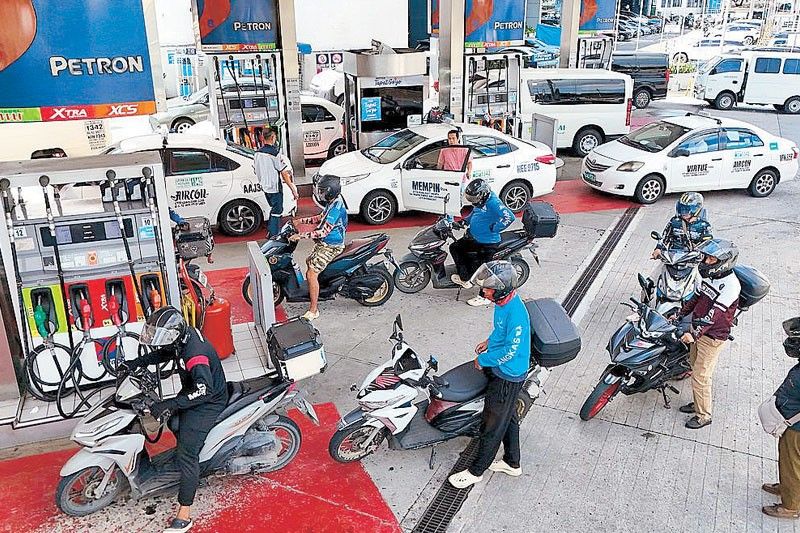
Motorists in the Philippines are bracing for a significant fuel price hike next week, with diesel prices expected to surge by P10 to P10.50 per liter and gasoline by P4.50 to P5 per liter, according to Jetti Petroleum president Leo Bellas. These estimates are based on recent movements in foreign exchange rates and the Mean of Platts Singapore, the regional benchmark for refined petroleum products. The price increases are attributed to escalating fears of tighter supplies, driven by recent attacks in critical oil transit routes in the Middle East, including the Strait of Hormuz and the Red Sea. Attacks on Saudi Arabia's East-West pipeline, which bypasses the Strait of Hormuz, have raised concerns about potential reductions in Saudi export capacity. Additionally, attacks on Russian refineries, another major source of diesel, have contributed to upward price pressures. Asian gasoline prices remain elevated due to firm regional demand and concerns that ongoing hostilities in the Red Sea could further disrupt supplies from the Middle East. The Philippine government is implementing various measures to cushion the impact of rising fuel costs. The Department of Transportation (DOTr) is appealing to Congress to restore funding for its fuel subsidy program, which was excluded from the 2027 National Expenditure Program. Senator Bong Go emphasized the need for the government to proactively secure funds for fuel subsidies rather than scrambling for resources only when prices spike and public utility drivers complain. Transportation Secretary Giovanni Lopez confirmed the unfunded request and supported Go's call for intervention, stating that fuel subsidies are an immediate solution for transport operators during oil shocks. Malacañang announced that the UPLIFT committee convened, with agencies assuring sufficient fuel stocks, continued cash assistance, and other support measures for vulnerable sectors. As of September 14, the Department of Energy reported fuel inventories equivalent to 57.2 days of gasoline, 60.8 days of diesel, and 39.3 days of liquefied petroleum gas. The Department of Social Welfare and Development stated it has sufficient funds to sustain cash assistance through the end of the year for 7.5 million beneficiaries of the expanded UPLIFT program, including transport workers, farmers, and fisherfolk. The Department of Migrant Workers also confirmed adequate funds for the repatriation of overseas Filipinos affected by the Middle East conflict. The government has rejected calls from various groups to suspend or lift value-added and excise taxes on diesel and gasoline for broad-based relief. Business groups have warned that high fuel prices increase logistics costs, which are passed on to consumers, fueling inflation and negating the benefits of targeted subsidies. Other commuter relief measures include 50 percent fare discounts on MRT-3 and LRT-2, toll exemptions for provincial buses, and waivers of terminal fees for public utility vehicles at major terminals nationwide. The Department of Agriculture reported that P6.03 billion in assistance has been disbursed to 2.59 million beneficiaries under its Presidential Assistance for Farmers and Fisherfolk Program. The Department of Labor and Employment is prepared to expand emergency employment assistance through the TUPAD program. Source: Philstar Nation
Original source
Philstar Nation