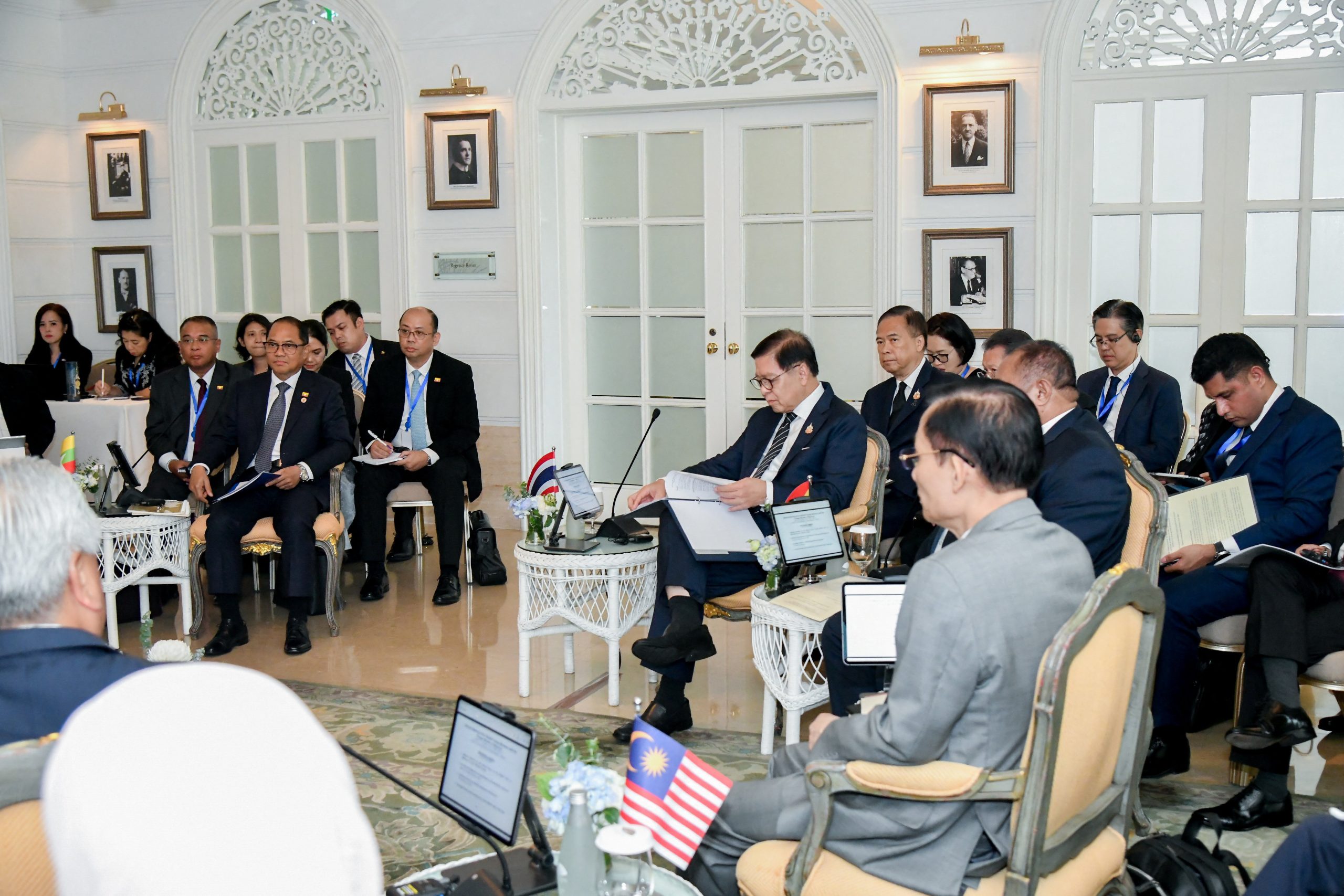
ASEAN outreach may give Myanmar regime legitimacy without results
Politics
2026年7月13日
3
DVB
Relations
🇲🇲Myanmar🇹🇭Thailand🌐United Nations / ASEAN

ASEAN outreach may give Myanmar regime legitimacy without results

AI サマリー

The Association of Southeast Asian Nations’ (ASEAN) re-engagement with Myanmar under the regime that seized power during a military coup on Feb. 1, 2021 runs the risk of providing legitimacy to the new pro-military admin

The Association of Southeast Asian Nations’ (ASEAN) re-engagement with Myanmar under the regime that seized power during a military coup on Feb. 1, 2021 runs the risk of providing legitimacy to the new pro-military administration in Naypyidaw led by coup leader Min Aung Hlaing and ​undermining the regional group’s own plan to end violence in the war-torn country, analysts said. Foreign Ministers from ASEAN’s other 10-member states met with the Myanmar ‌regime Foreign Minister Tin Maung Swe at an informal gathering in Bangkok, Thailand, on July 12, the first such in-person meeting with a senior regime official since Min Aung Hlaing accepted the ASEAN Five Point Consensus, the regional bloc’s peace plan, but didn’t implement it upon his return to Myanmar in April 2021. Officials described the meeting as an opportunity for Myanmar to brief its neighbours on conditions inside the country, but Richard Horsey, senior Asia adviser at the International Crisis Group, said the risk was that the meeting was a step in normalizing political engagement ​before any change had been achieved. “It would be a mistake for ASEAN to accept Myanmar back into the fold without getting anything meaningful in return,” he said. The ​meeting marks a test of whether ASEAN will hold the line on its own peace framework or allow Myanmar’s regime to regain ⁠regional standing without meaningful steps toward ending the conflict, such as releasing political prisoners including Nobel laureate Aung San Suu Kyi or restoring full democracy. Myanmar has been in turmoil since Aung ​San Suu Kyi’s elected National League for Democracy (NLD) government was ousted in the 2021 coup. The regime’s response to nationwide protests then fuelled an armed uprising that has become a prolonged civil war. ASEAN agreed ​on the Five-Point Consensus for Myanmar, which called for an end to the violence, dialogue among all parties, humanitarian assistance and the appointment of a special envoy. When Min Aung Hlaing did not implement the peace plan, this prompted ASEAN to bar him and his officials from its top-level meetings and invite only non-political representatives from Myanmar. The pro-military parliament, which has succeeded the regime, approved a motion last week urging Myanmar’s new government to counter ASEAN’s Five-Point Consensus, ​calling it interference in the country’s internal affairs, regime media reported. Opposition groups, including the National Unity Government (NUG), which is in exile, and powerful ethnic armed ​groups such as Karen National Union (KNU), released a joint statement on July 11 voicing their concerns about the informal meeting of ASEAN foreign ministers. The Myanmar resistance groups called for ASEAN to engage with all principal democratic political stakeholders in ‌the country. So ⁠far, an estimated 100,000 people have been killed in the conflict, more than 3.6 million people displaced from their homes, according to the Armed Conflict Location & Event Data (ACLED) project and the U.N. Aung San Suu Kyi was reportedly transferred from prison to house arrest on April 30 but her whereabouts are unknown since the regime hasn’t provided any evidence of the relocation. Many senior NLD party members and other pro-democracy opponents of the regime have been jailed or barred from politics. ASEAN may be losing leverage ASEAN may be conceding too much to Naypyidaw, and losing any leverage it has in negotiations, analysts said. “The central question is whether the organization will uphold its own agreed framework or permit re-engagement with the military regime ​without requiring meaningful implementation of the Five-Point Consensus,” ​said Ye Myo Hein, a senior ⁠fellow at the Southeast Asia Peace Institute. Thailand’s Foreign Minister Sihasak Phuangketkeow said that the “informal” talks in Bangkok did not mean ASEAN was abandoning its existing position. “This process of engagement does not mean any change in our basic position as reflected in the Five-Point Consensus, but it does mean achieving ​towards engagement, listening, and being realistic about what can be achieved,” he said. The BBC Burmese service has reported that Sihasak planned to ​hold separate informal meetings ⁠with some ethnic armed organizations, like the KNU, and the NUG. There has not yet been any confirmation of such talks from officials or the opposition groups. The signs of rapprochement come some six months after a phased election run by the regime that the U.N. and Western governments dismissed as a sham designed to preserve military rule under a civilian veneer. That process culminated in April, when a pro-military parliament ⁠elected regime leader Min Aung Hlaing as president, formalizing the power he has held since the coup. Analysts said any premature ​re-engagement would weaken ASEAN’s ability to implement its peace plan and influence the Myanmar government. “Once the regime secures the regional legitimacy it seeks without meeting any meaningful conditions, ASEAN will have far fewer tools to encourage compliance with the ​Five-Point Consensus or promote a genuine political dialogue,” said Ye Myo Hein at the Southeast Asia Peace Institute. REUTERS The post ASEAN outreach may give Myanmar regime legitimacy without results appeared first on DVB.

多角的分析

経済的影響

直接の経済ニュースではありませんが、治安と司法の信頼は地域経済の土台です。職場での暴力や未成年者保護への不安が強まると、夜間営業、観光、雇用、地域サービス業のリスク認識が高まります。

投資家心理

投資家目線では、個別事件よりも法執行の予見可能性が焦点です。加害者への対応が曖昧になれば、ローカルビジネスの統治リスクや従業員保護の弱さとして評価されやすくなります。

社会的影響

アナリストらは、2021年2月1日の軍事クーデターで権力を掌握した政権下のミャンマーに対する東南アジア諸国連合(ASEAN)の再関与は、クーデ…という事実は、地域の人々にとって抽象的な人権論ではなく、働く場所や夜間の移動をどこまで信用できるかという問題です。DVBの報道は、軍と当局の対応を継続して見せる必要があります。

市民の声

市民にとっては、自分や家族が被害に遭った時に公正な手続きへアクセスできるのかが最大の関心です。地域団体が声を上げることで、事件の風化を防ぎ、被害者側の孤立を和らげる意味があります。

背景・歴史的文脈

このニュースは、ミャンマーの地域社会で法の支配と弱者保護がどこまで機能しているかを映す事案です。暴力事件そのものに加え、女性団体や市民社会が司法手続きを求めて声を上げている点が重要です。軍政下では警察・司法への信頼が揺らぎやすく、個別事件が地域の不安や統治への不信に直結します。

原文ソース

DVB

原文を読む