General articles are free for 24 hours after publish.
The Ly Dynasty General Who Defeated a Noted Kim Dung Martial Arts Clan, Worshipped in Ho Chi Minh City
The Thong Tay Hoi Temple in Ho Chi Minh City enshrines Duc Thanh Vuong, a Ly Dynasty general credited with defeating a renowned martial arts clan from the Northern Song Dynasty in 1014. While Chinese historical records mention the battle, the Ly general's identity remains unspecified.
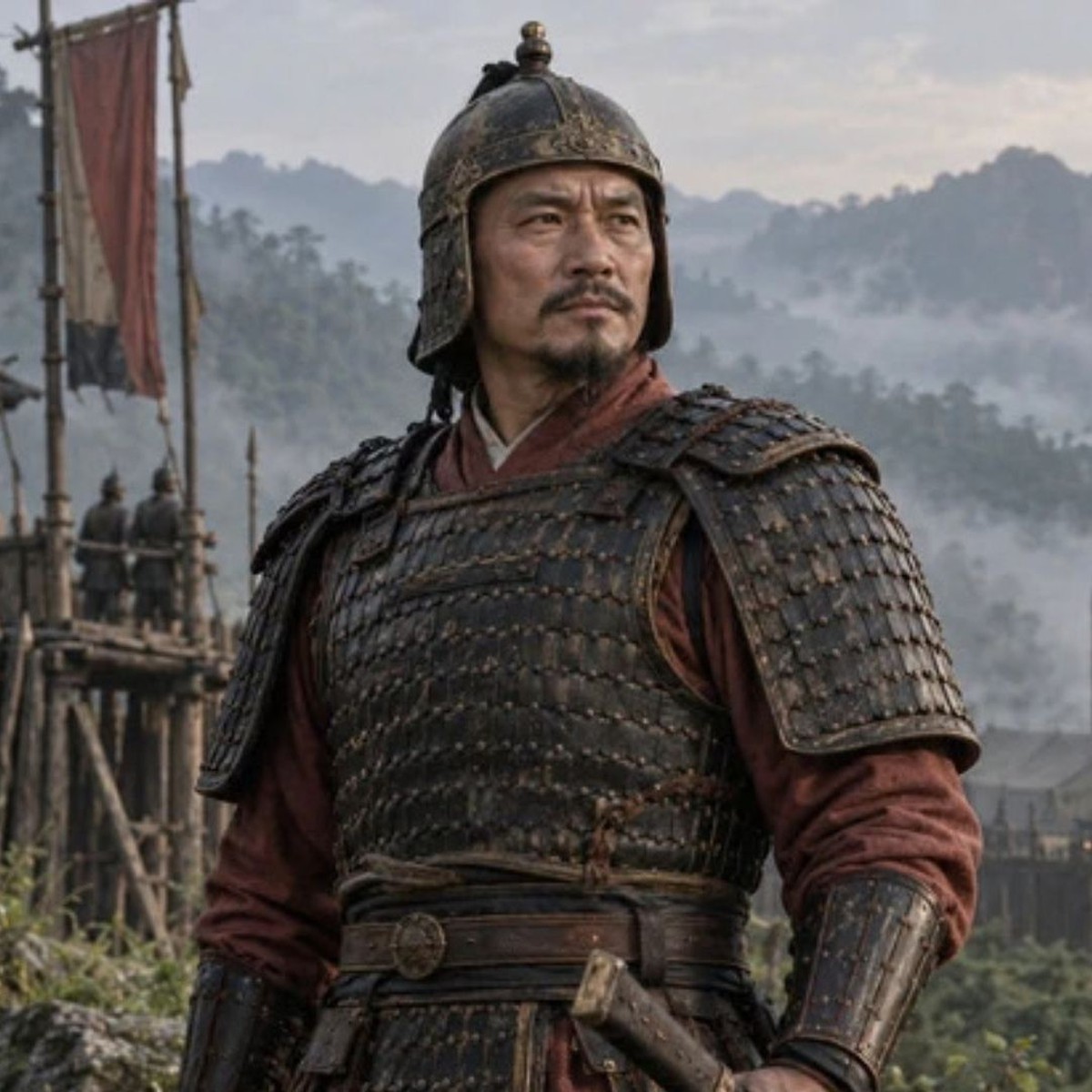
The Thong Tay Hoi Temple in Ho Chi Minh City enshrines Duc Thanh Vuong, a general of the Ly Dynasty, who is said to have defeated a renowned martial arts clan from the Northern Song Dynasty in the early 11th century. Historical records indicate that in 1014, the Northern Song army advanced into Dai Co Viet (present-day northern Vietnam), but was repelled by the Ly Dynasty forces. While Chinese historical texts document this battle, the name of the Ly general who commanded the army and defeated the martial arts clan, akin to those featured in Jin Yong's novels, is not specified. Vietnamese historical records, however, identify this general as Duc Thanh Vuong. Today, Duc Thanh Vuong is venerated at the Thong Tay Hoi Temple in Ho Chi Minh City. This temple stands as a significant historical and cultural heritage site in southern Vietnam, cherished by the local community. Under Vietnam's one-party system, the commemoration of historical heroes and national figures often serves to foster national unity and patriotism. Stories of generals like Duc Thanh Vuong can be framed as symbols of national independence and defense, emphasizing resistance against external aggression. As Vietnam continues its economic growth, it navigates a delicate balance in its historical narratives, particularly concerning China, while maintaining domestic stability. The preservation and veneration of such historical legacies bolster national identity domestically, though they may also necessitate diplomatic considerations.
Original source
The Saigon Times