DepEd seeks P8 billion for hiring of school guards
Health
2026年7月16日
5
Philstar Nation

DepEd seeks P8 billion for hiring of school guards

AI サマリー

The Department of Education (DepEd) plans to ask Congress for an P8 billion allocation to hire security guards, citing a significant shortfall in personnel across public schools. Currently, only 2,494 guards are assigned to at least 48,000 schools nationwide. The education secretary emphasized the need for enhanced safety measures, including metal detectors.

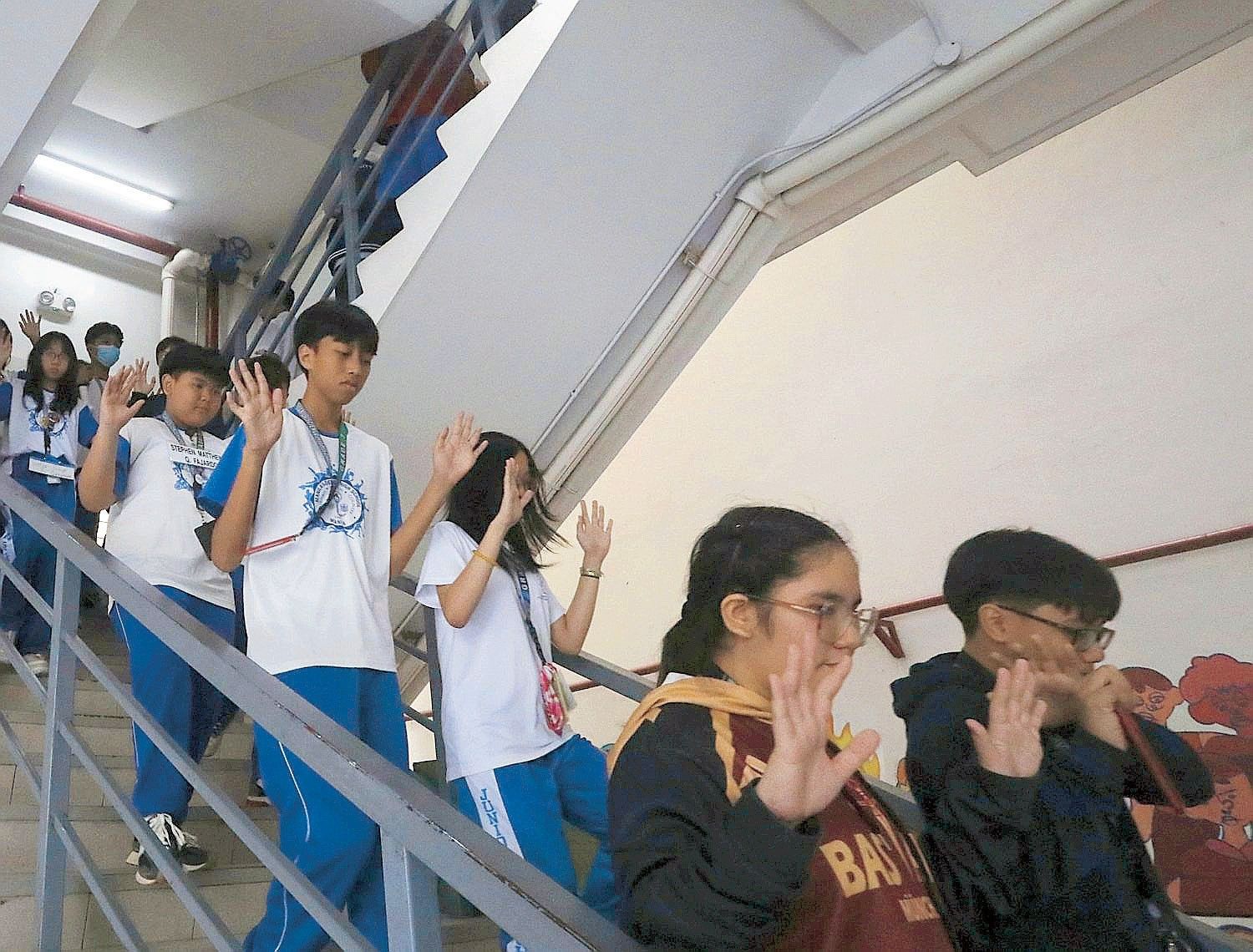
MANILA, Philippines — The Department of Education will ask Congress to approve the allocation of P8 billion to fund the hiring of security guards amid the latest data from the DepEd that only 2,494 security guards are manning at least 48,000 public schools. “We are proposing funds for hiring security guards. We are proposing funds for metal detectors, ideally P8 billion for the entire schools,” Education Secretary Sonny Angara said yesterday in a chance interview following the launch of the National Safety Schools Summit and Safety Drill at the Manila Science High School. Angara said it is up to Congress to decide on the proposal to lower the age of criminal liability to 12 years old from the current 15. “On the part of the DepEd, we are really trying to improve our protocols. We have bag searches, we have metal detectors. Schools have security guards, and yet there are still incidents where knives are hidden in shoes, in underwear, so they still get in. So we really have to be very creative and adjust to what the perpetrators are doing,” he said. Angara added that active shooting drills will be simultaneously held in various schools nationwide following its rollout. “We need to do it as often as we can. That’s ongoing, the regional officials are here to let them know how long it will take, the logistical requirements, etc.,” he noted. He said that police visibility is very important. “Gangs are increasing. Some started during the pandemic so police visibility is very important because when they see the police, they will not assemble,” he said. At the same time, Angara said that violent games should be banned or regulated in the country. “Some games are very violent because like Roblox, which is about organizing a gang, so I think those things should be banned, or regulated,” he said. He said that DepEd is coordinating with church and community to ensure violence in schools is addressed. The proposed Last Mile and Geographically Isolated and Disadvantaged and Conflict Affected Areas Schools Act, a priority bill of the administration, has been transmitted to Malacañang, according to Palace press officer Claire Castro. The enrolled copy of the measure was sent to the Palace last June 25. The bill aims to address educational inequities by building basic education schools and access roads leading to geographically isolated, disadvantaged and conflict-affected areas. In his explanatory note for the bill, Batangas 6th district Rep. Ryan Recto noted that a significant number of identified last mile schools continue to operate without basic amenities or utilities. The schools that often serve indigenous communities have fewer than four classrooms and makeshift rooms, lack funding for repairs or construction and have irregular or no access to electricity, he said. According to Recto, around 1,500 last mile schools operate without electricity and 1,000 without toilets. In an earlier statement, Sen. Loren Legarda, principal author of the Senate version of the bill, said the access to quality education of Filipino children living in geographically isolated and disadvantaged areas remains constrained by distance, inadequate infrastructure and limited public services. Her bill directs the education department to adopt a three-kilometer walkable distance or safe transport access standard and to publish a national map of schools in geographically isolated and disadvantaged areas within a year. President Marcos is hopeful that Congress will pass the measures included in the administration’s legislative agenda. – Alexis Romero

多角的分析

経済的影響

教育分野へのP80億ペソという巨額の予算要求は、フィリピン経済において教育インフラへの投資が喫緊の課題であることを示唆しています。この予算は、単に警備員の人件費だけでなく、金属探知機などの安全設備への投資も含まれるため、教育環境の質的向上にも寄与する可能性があります。しかし、これらの投資が教育の質そのものに直接結びつくか、また他の教育関連予算(教材、教員給与など)とのバランスがどのように取られるかが、経済的な持続可能性と教育効果の観点から重要となります。パンデミック後の経済回復期において、限られた国家予算をどのように配分するかは、政府にとって大きな課題です。

投資家心理

学校の安全対策強化への投資は、教育機関への投資リスクを低減させる要因となり得ます。投資家は、教育分野への関心が高まるにつれて、学校の安全状況を投資判断の一要素として考慮する可能性があります。警備員や安全設備の拡充は、学校運営の安定化に繋がり、結果として教育サービスの提供者としての信頼性を高めることになります。ただし、このP80億ペソの予算がどのように執行され、具体的な安全性の向上に繋がるか、その効果測定が今後の投資判断において注視されるでしょう。

社会的影響

フィリピンの学校における安全性の懸念は、生徒、教職員、そして保護者にとって深刻な問題です。特に、ギャング活動の増加や、パンデミック中に顕在化した問題を踏まえれば、学校が安全な学習環境を提供できるかどうかが問われています。警備員の増員や金属探知機の導入は、物理的な安全性を高める一歩ですが、根本的な原因へのアプローチ、例えば貧困や機会均等といった社会経済的な問題への取り組みも同時に必要です。また、オンラインゲームの規制提案は、若者の行動様式と社会との関わり方への懸念を示しており、デジタル化が進む現代社会における新たな課題を浮き彫りにしています。

市民の声

今回の教育省の予算要求は、多くのフィリピン国民、特に子供を持つ保護者にとって、学校の安全に対する不安を和らげる可能性を秘めています。しかし、P80億ペソという巨額の予算が、本当に子供たちの安全を守るために効果的に使われるのか、という疑念も生じるでしょう。特に、地方や経済的に困難な地域では、警備員が配置されず、安全対策が十分でない学校も依然として多く存在すると考えられます。より広範な地域への安全対策の行き渡りや、予算の透明性ある執行が、国民の信頼を得る上で不可欠です。また、オンラインゲーム規制の議論は、家庭内での子供のインターネット利用に関する新たな懸念を生む可能性があります。

背景・歴史的文脈

フィリピンでは、学校における暴力や安全性の問題は長年にわたり指摘されてきました。特に、都市部を中心にギャング活動や薬物関連の事件が学校周辺で発生することがあり、生徒や教職員の安全が脅かされるケースが後を絶ちません。パンデミック期間中には、オンラインでのいじめや、家庭環境の変化による生徒の精神的な問題も顕在化しました。教育省は、これらの課題に対応するため、警備員の増員、金属探知機の導入、安全訓練の実施など、様々な対策を講じてきましたが、予算不足や人員不足が常に課題となってきました。また、地理的に孤立した地域や紛争地域にある学校では、基本的なインフラの整備すら遅れており、教育機会の不均等が深刻な問題となっています。今回の80億ペソの予算要求は、これらの複合的な課題に対処しようとする政府の姿勢を示していますが、その実効性と持続可能性が問われています。

原文ソース

Philstar Nation

原文を読む