General articles are free for 24 hours after publish.
Hanoi Unveils Red River Urban Development Plan, Balancing Growth and Preservation
Hanoi has announced a revised urban development plan for the Red River area, emphasizing citizen welfare and a balance between development and conservation. The city aims to transition to waste-to-energy by 2027 and improve river water quality, incorporating public feedback.
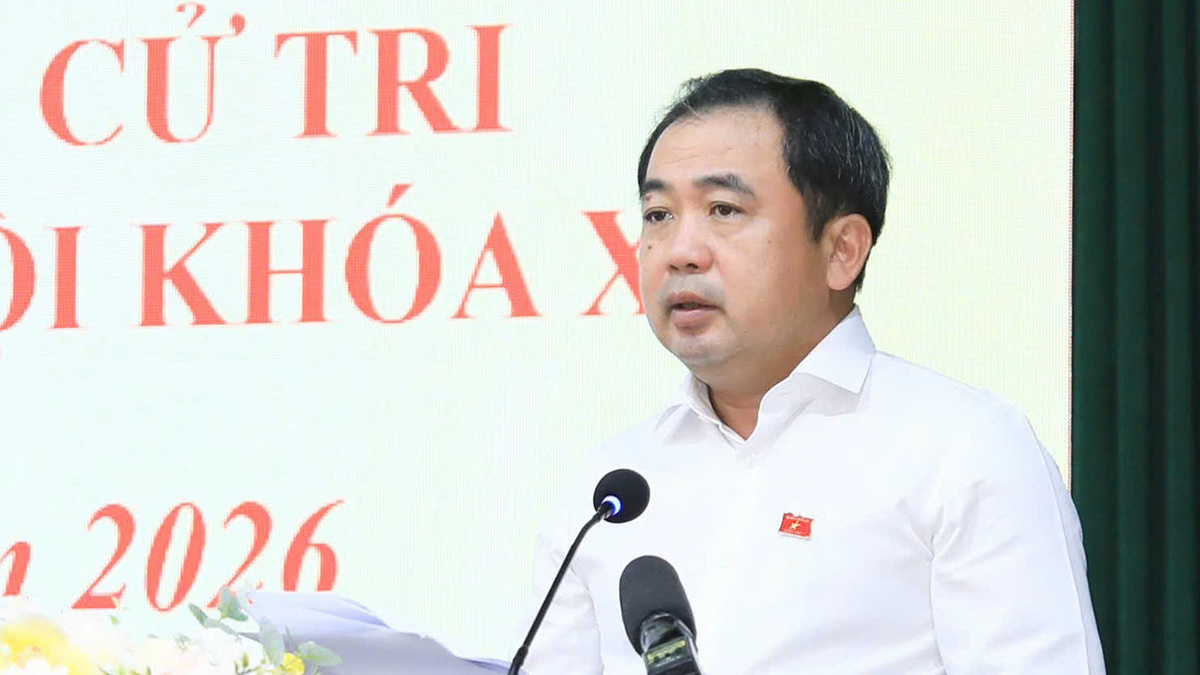
Hanoi authorities have presented a revised urban development plan for the Red River area, spanning from Hong Ha Bridge to Me So Bridge, during a consultation with constituents. Tran Duc Thang, Secretary of the Hanoi Party Committee, stated that the plan is being meticulously developed, adhering to Political Bureau Resolution 02, the 100-year Capital Master Plan, and relevant laws. Thang emphasized a cautious and scientific approach, prioritizing residents' livelihoods, flood control, and a harmonious balance between development and preservation. The plan also aims to upgrade and preserve ancient villages and historical sites within the study area. Regarding resettlement policies, Thang informed attendees that in-situ resettlement will be prioritized in areas close to residents' original homes, equipped with complete infrastructure. Land acquisition will only proceed after the completion of resettlement with synchronized infrastructure. He added that the city will continue to gather public feedback to refine the plan before its approval, with the current consultation period extending until September 27. Deputy Chairman Duong Duc Tuan noted that the Red River urban development plan was approved in 2023 as part of the Capital Master Plan for 2030 with a vision to 2050, now adjusted to 2045 with a vision to 2065. Thang also provided updates on several major infrastructure projects. Sections of Ring Road 1 have been technically opened, with Ring Road 2.5 and the new Duong Bridge slated for completion by October 10 and November, respectively. The Nhon-Hanoi Station urban railway is expected to be fully operational by 2027, and the entire urban railway network, including five lines totaling 303.5 km and an investment of approximately VND 1 quadrillion, is targeted for completion by 2030, along with Line 5 (Van Cao - Hoa Lac). To address key challenges such as environmental pollution, traffic congestion, urban order, flooding, and food safety, Hanoi is accelerating infrastructure development. A significant initiative includes transitioning to 100% waste-to-energy by 2027, eliminating landfilling. Efforts are also underway to complete wastewater collection systems for inner-city rivers and to revive these waterways starting in 2028. Flood control projects have seen 10 urgent works and localized mitigation measures completed in the inner city. However, despite substantial investment, these efforts have only addressed about 20% of flooded areas, necessitating continued significant resource allocation. Thang concluded by stating that Hanoi is entering a period of vigorous development to meet national goals by 2030. He urged citizens to support the city's efforts to achieve socio-economic breakthroughs, ensure national defense and security, and ultimately enhance the quality of life for its residents, emphasizing that the success of all endeavors will be measured by the people's well-being and happiness. Source: VnExpress
Original source
VnExpress