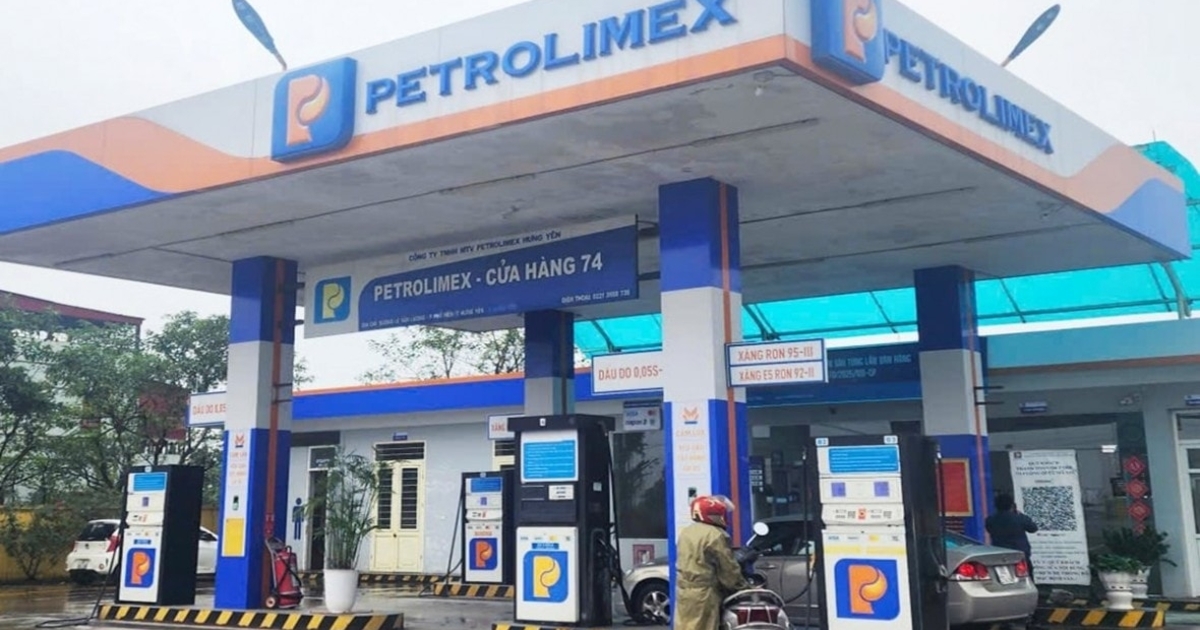
Vietnam Extends 0% Import Duty for Key Fuel Products Until June 30
The Vietnamese government has extended the preferential import tariff of 0% on certain fuel products and inputs for fuel production until June 30, 2026. This measure aims to stabilize the domestic fuel market, ensure national energy security amidst global uncertainties, support macroeconomic stability, and contribute to economic growth targets. The extension was swiftly enacted through a government resolution.
This article requires PRO
This article is outside the free access window or is a special report. PRO unlocks it and the full archive.
Related articles
- Global Gold Price Drops, Vietnam's Domestic Market Stalls Amid Long Holiday
On May 2nd, the global gold price continued its slight decline, pressured by rising energy costs. In contrast, Vietnam's domestic gold market, including SJC gold bars and rings, remained stable due to a long national holiday, with no price changes from the previous day.
- Hanoi Attracts US$102 Million in FDI in January, Pushing Digital Economy and Urban Development
Hanoi attracted US$102 million in foreign direct investment (FDI) in January, driven by new projects, capital adjustments, and share acquisitions. This reinforces Hanoi's role in sustaining Vietnam's positive FDI trend, with the city's push towards a digital economy and large-scale urban development enhancing its investment appeal.
- Hanoi Unveils New Development Strategy Ahead of 16th National Assembly Term
Hanoi's Party chief outlined the capital's new development strategy at a voter meeting, preparing for the 16th National Assembly term. The agenda focuses on institutional reform, infrastructure upgrades, and a stronger emphasis on science, technology, and public services, with a specific vision for Hoa Lac to become a growth pole for innovation and high-tech development.
- Vietnam Shifts to Multi-Centered Urban Planning for Sustainable Growth
Vietnam is moving away from its traditional 'one city per locality' model to an interconnected, multi-centered urban network. Aiming for over 50% urbanization by 2030 and 70-75% by 2050, with Hanoi, Ho Chi Minh City, Da Nang–Hue, and Can Tho designated as core hubs, this strategic shift seeks to foster sustainable economic growth and enhance citizens' quality of life.