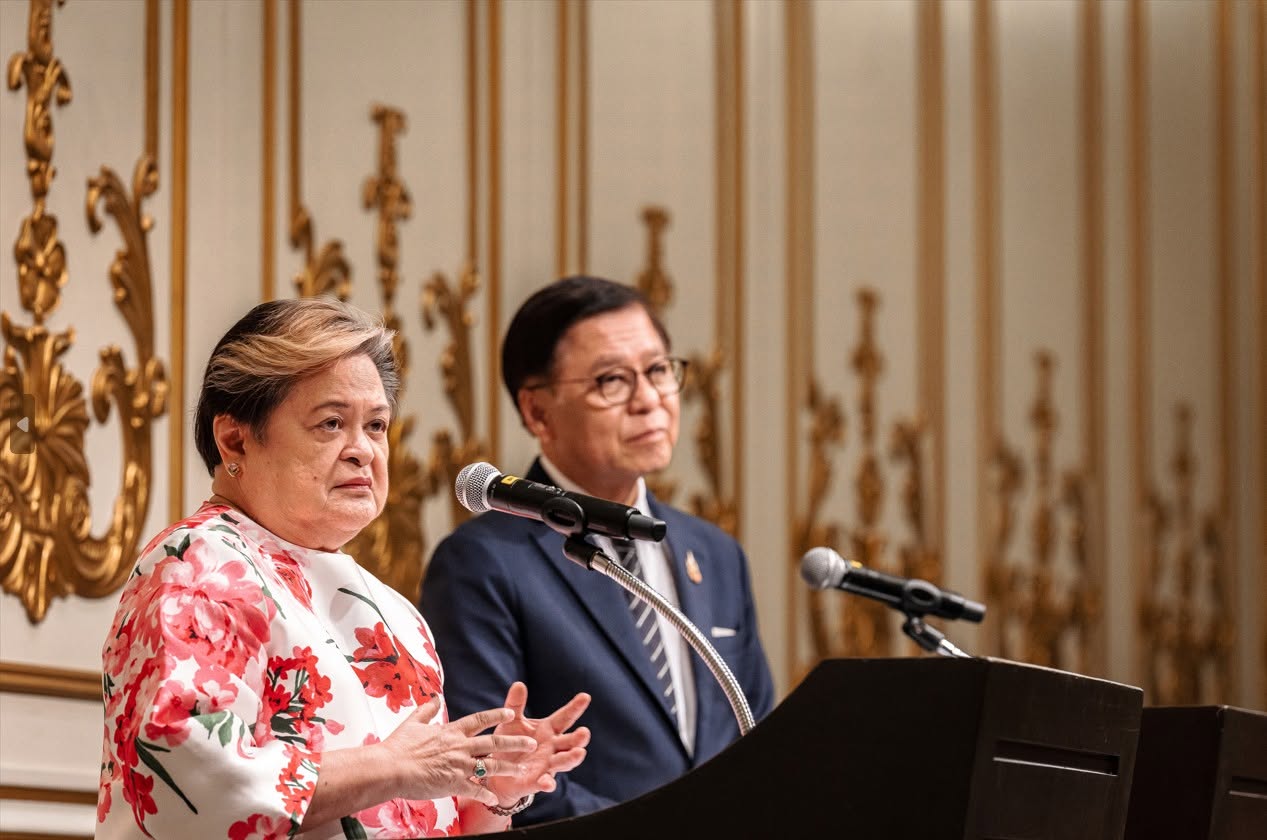
Myanmar’s resistance forces engage with ASEAN Special Envoy amid renewed peace talks push
Myanmar’s National Unity Government (NUG) and prominent ethnic armed organizations have engaged in direct discussions with regional diplomats, following a controversial series of informal meetings between the Association
Myanmar’s National Unity Government (NUG) and prominent ethnic armed organizations have engaged in direct discussions with regional diplomats, following a controversial series of informal meetings between the Association of Southeast Asian Nations (ASEAN) and the regime in Naypyidaw. The flurry of diplomatic activity highlights a renewed push by neighboring countries to address the crisis in Myanmar since the military coup on Feb. 1, 2021, though resistance groups remain firm on their demands for genuine, inclusive political dialogue. NUG urges broad stakeholder engagement On July 15, the NUG released a statement confirming that its Foreign Minister, Zin Mar Aung, held a video conference with Ma. Theresa P. Lazaro, the Philippines’ Special Envoy on Myanmar representing the ASEAN 2026 Chair. During the call, Zin Mar Aung emphasized that any effective implementation of ASEAN’s faltering Five-Point Consensus—a 2021 peace plan calling for an immediate halt to violence and the release of political prisoners—must include a “broad range” of stakeholders. She noted that Lazaro’s recent, unprecedented direct meetings with ethnic armed groups would provide ASEAN with a clearer understanding of the complex political realities on the ground in Myanmar. EAOs and the meetings in Thailand The NUG’s diplomatic engagement directly follows closed-door talks held between Lazaro, Thai Foreign Minister Sihasak Phuangketkeow, and several prominent Ethnic Armed Organizations (EAOs) in Thailand. On July 15, the Steering Council for the Emergence of a Federal Democratic Union (SCEF)—an umbrella political body encompassing several major resistance groups—confirmed that its members had met with Lazaro. The participating groups included: The SCEF swiftly issued a statement clarifying the nature of the meeting. It emphasized that their discussions with Lazaro were held strictly “separately” from the July 13 meeting with the regime’s National Solidarity and Peacemaking Negotiation Committee (NSPNC) in Chonburi District. The SCEF stressed that their engagement did not constitute a formal political dialogue or negotiation process with the regime. Instead, the SCEF used the platform to reiterate its core demands, calling on ASEAN to enforce the Five-Point Consensus and pressuring regime leader Min Aung Hlaing to end violence against civilians, release all political prisoners, and allow unhindered humanitarian aid into conflict zones. Thailand offers to mediate The meetings reflect a growing consensus among regional diplomats that the prolonged civil war has reached a stalemate. During a press briefing on July 15 at the Ministry of Foreign Affairs in Bangkok, Thai Foreign Minister Sihasak stated that both regime officials and resistance factions now agree there is “no military solution” to the conflict that has raged since the 2021 coup. He announced that Thailand is prepared to actively facilitate future peace talks and provide a secure venue for inclusive dialogue. A controversial thaw with the regime The engagement with resistance forces appears to be a balancing act following intense international backlash against ASEAN. On July 12, regime Foreign Minister Tin Maung Swe attended an “informal” meeting of ASEAN foreign ministers in Bangkok. The invitation marked a highly controversial break from the bloc’s five-year policy of excluding senior regime officials from high-level summits due to their failure to halt atrocities. Regional relations may thaw further in the coming weeks, as Min Aung Hlaing is expected to make his first official state visit to Thailand in early August. The trip would mark his second visit to an ASEAN member state since assuming the presidency in April.
多角的分析
直接の経済ニュースではありませんが、治安と司法の信頼は地域経済の土台です。職場での暴力や未成年者保護への不安が強まると、夜間営業、観光、雇用、地域サービス業のリスク認識が高まります。
投資家目線では、個別事件よりも法執行の予見可能性が焦点です。加害者への対応が曖昧になれば、ローカルビジネスの統治リスクや従業員保護の弱さとして評価されやすくなります。
ミャンマーの国民統一政府(NUG)と著名な民族武装組織は、東南アジア諸国連合(ASEAN)とネピドーの政権との間で物議を醸した一連の非公式会談…という事実は、地域の人々にとって抽象的な人権論ではなく、働く場所や夜間の移動をどこまで信用できるかという問題です。DVBの報道は、軍と当局の対応を継続して見せる必要があります。
市民にとっては、自分や家族が被害に遭った時に公正な手続きへアクセスできるのかが最大の関心です。地域団体が声を上げることで、事件の風化を防ぎ、被害者側の孤立を和らげる意味があります。
背景・歴史的文脈
このニュースは、ミャンマーの地域社会で法の支配と弱者保護がどこまで機能しているかを映す事案です。暴力事件そのものに加え、女性団体や市民社会が司法手続きを求めて声を上げている点が重要です。軍政下では警察・司法への信頼が揺らぎやすく、個別事件が地域の不安や統治への不信に直結します。
原文ソース
DVB