General articles are free for 24 hours after publish.
Huawei Backs Away From Aito EV, Angering Buyers
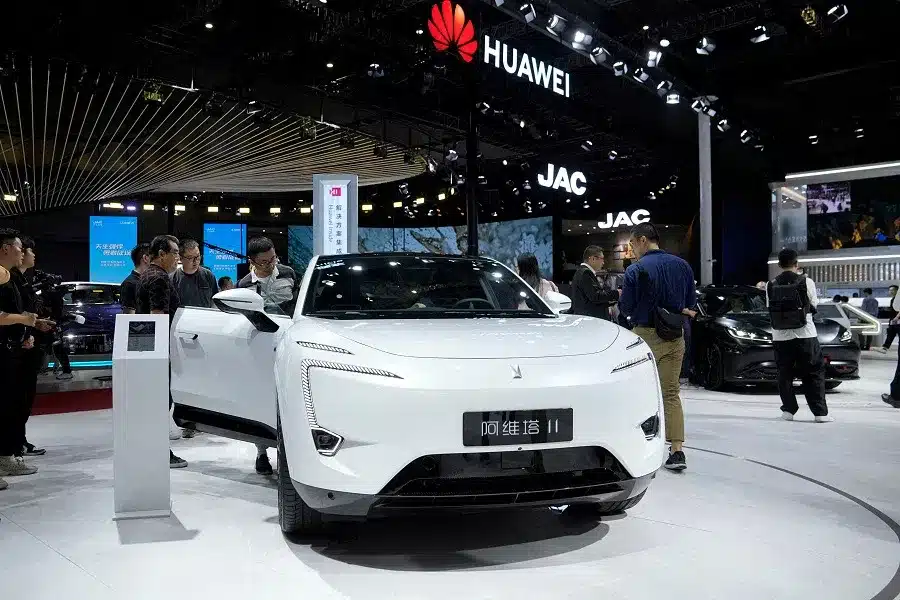
Chinese tech giant Huawei has announced plans to shift its operational control of the Aito electric vehicle (EV) brand to its manufacturing partner, Seres. This strategic retreat, moving product planning and sales back to Seres, has sparked significant concern among Aito's loyal customers who were drawn to the brand's association with Huawei.
Home - Automotive - Huawei Backs Away From Aito EV Angering Buyers BEIJING – Aito and the Huawei Harmony Intelligent Mobility Alliance recently dropped a bombshell on the auto industry. They announced plans to explore a brand-new cooperation model for the popular electric vehicle brand. This sudden shift means control over product planning, marketing, and sales will return to Seres. For many months, the famous tech giant held a very tight grip on these crucial daily operations. This truly unexpected move officially marks a very major strategic retreat for the massive tech giant. Huawei is officially stepping away from its hands-on role in running the Aito vehicle brand. The surprising decision has sent absolute shockwaves directly through the highly competitive Chinese electric vehicle market. Most importantly, it has sparked real fear among loyal customers who recently bought these premium cars. To truly understand this sudden panic, we need to look at how Aito became so incredibly popular. In the very beginning, Huawei used strong patriotic sentiment to easily sell these advanced smart vehicles. The company aggressively marketed the Aito as a true national champion car for the Chinese people. They leaned heavily into the deep pride of buying a top-tier domestic product over a foreign brand. This emotional marketing strategy worked incredibly well right out of the gate for the young automotive brand. Thousands of loyal tech fans rushed to local showrooms to financially support the famous smartphone maker. They were not just buying an electric vehicle to commute to work every single day. These early buyers were heavily investing in the Huawei name and its bold promise of high-tech excellence. During this peak early sales period, Aito showrooms were frequently packed with very eager local shoppers. Many of these popular locations were actually existing tech stores that normally sold everyday smartphones and tablet computers. Customers deeply trusted the brand because it had a long, proven history of making highly reliable daily gadgets. They firmly believed Huawei would seamlessly bring that exact same quality to the rapidly growing automotive world. Seres, the actual physical manufacturer of the vehicle, was mostly kept hidden in the quiet background. Most daily drivers genuinely felt they were driving a Huawei vehicle, not a basic Seres car. The sleek dashboard software, the advanced driving features, and the primary sales pitch were all driven by the tech giant. This deep daily involvement made the cars feel exactly like premium, cutting-edge consumer electronic products. However, the global auto industry is vastly different from the fast-paced consumer smartphone and tablet business. Building and securely selling cars requires massive factories, complex supply chains, and totally different international safety standards. While the initial wave of eager buyer demand was huge, sustaining that intense momentum proved very challenging. The extreme financial costs and heavy daily risks of running a car brand started to add up very quickly. This brings us directly to the recent announcement regarding the Huawei Harmony Intelligent Mobility Alliance. The tech company quickly realized it needed to fundamentally change its approach to survive successfully long-term. They deliberately decided to pivot back to what they actually do best in the modern tech space. Instead of acting like a traditional car company, they simply want to be a top-tier parts supplier. The newly proposed business agreement completely reshapes exactly how Aito will operate in the fast-moving EV market. Seres is finally stepping out of the shadows to take full operational control of the entire vehicle brand. They will officially handle all the daily product planning, ongoing marketing campaigns, and direct customer sales operations. This represents a truly massive shift in corporate power and deep daily responsibility for the traditional automaker. For Seres, this is a very rare chance to finally build its own completely independent public image. They now have the complete creative freedom to design cool cars based entirely on their own unique corporate vision. They can actively market the new vehicles to a much broader audience far outside of the pure tech bubble. However, they also face the deeply daunting, difficult task of maintaining high sales without their partner’s giant, protective shadow. Meanwhile, Huawei is actively taking a major, visible step back from the main driver’s seat of the whole operation. They will absolutely no longer dictate exactly how the cars look, feel, or are directly sold to the general public. Instead, they will act strictly as a highly supportive technology vendor for Seres and other regional car companies. They will simply provide the smart automated driving systems, complex internal software, and advanced digital cabin screens. This cautious new strategy makes a lot of basic business sense for a massive global tech company. By securely supplying electronic parts, they can easily work with many different competing automakers at the exact same time. They cleverly avoid the massive financial risks of physically building, transporting, and storing thousands of heavy cars. It is definitely a much safer, vastly more profitable path in a tough industry known for painfully thin profit margins. The absolute biggest victims in this sudden corporate shakeup are the everyday, hardworking everyday consumers. The very first people to understandably panic were the hardcore fans who heavily paid for that early patriotic sentiment. They bought these expensive vehicles specifically because of the deep, personal emotional connection to a beloved brand they implicitly trusted. Now, they feel completely left in the dark by the totally unexpected, abrupt change in brand management. Many worried vehicle owners are currently expressing their deep, vocal frustration on social media platforms and popular online car forums. They passionately argue that they happily paid a premium sticker price strictly for a highly premium tech experience. Without the famous tech giant actively running the daily show, they seriously wonder what they actually really paid for. They deeply fear they are now permanently stuck with an extremely expensive car from a much lesser-known brand. Future resale vehicle value is easily one of the absolute biggest concerns for these highly loyal early EV adopters. Used car values always depend heavily on strong brand reputation and reliable long-term daily customer maintenance support. If the general buying public totally stops seeing Aito as a premium product, used car prices will undoubtedly plummet. No one ever wants to unexpectedly lose thousands of hard-earned dollars on a family vehicle they just bought late last year. Critical software updates are yet another major point of daily anxiety for current, nervous daily drivers. Modern electric vehicl
Original source
Chiang Rai Times