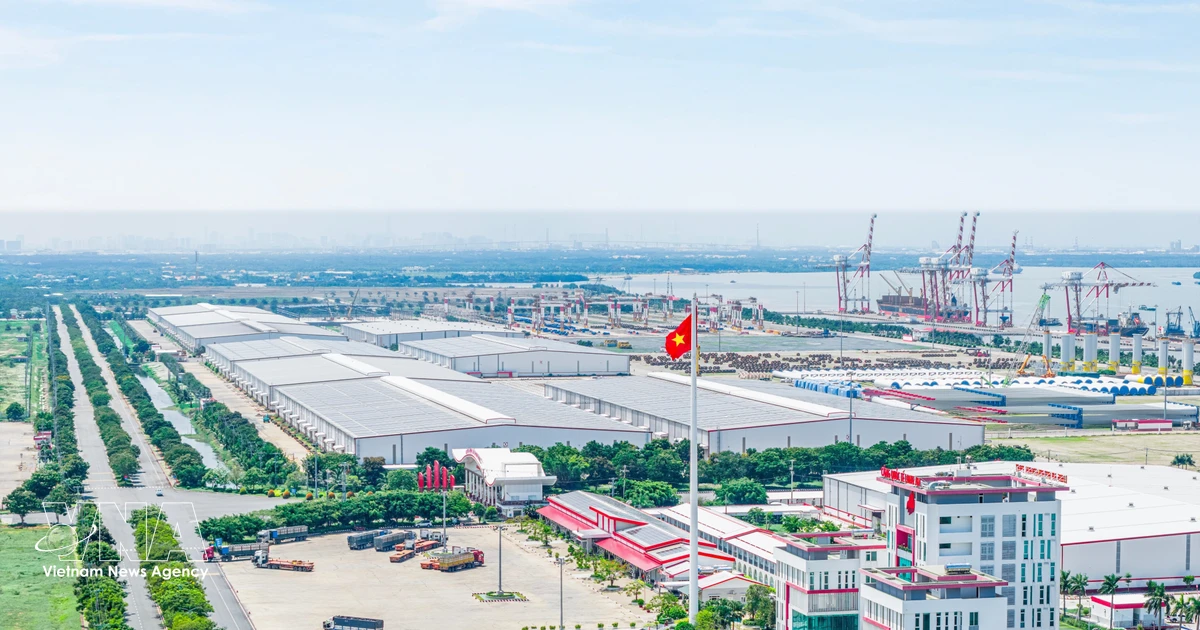
Vietnam Accelerates Shift to High-Value, Tech-Driven Investment
Vietnam is accelerating its transition from a low-cost manufacturing base to a strategic hub for high-value, tech-driven investment, targeting $50 billion in export turnover by 2026. Manufacturing, investment, and FDI are driving economic growth, leading to upward revisions in GDP growth forecasts.
With export turnover rising steadily in recent years and a target of $50 billion by 2026, Vietnam remains among the world’s top three textile exporters. Beyond its traditional appeal as a low-cost manufacturing base, the country is now positioning itself as a strategic hub for high-value and technology-driven investment. Singapore-based United Overseas Bank (UOB) has sharply raised its forecast for Vietnam's 2026 GDP growth to 8.5%, more than reversing the previous downgrade to 7%, citing stronger-than-expected first-half economic performance driven by manufacturing, investment, and foreign direct investment (FDI). The Asian Development Bank (ADB) also maintained its growth forecasts of 7.2% for 2026 and 7.0% for 2027 in its Asian Development Outlook (ADO) July 2026, projecting Vietnam to remain the fastest-growing economy in Southeast Asia. This economic growth is supported by policy initiatives. Resolution No. 10-NQ/TW, for instance, emphasizes building a foreign-invested sector that is closely integrated with the domestic sector to create new growth drivers, rather than solely attracting foreign capital. Experts suggest this resolution could be a strategic lever for Vietnam’s sustainable development, though it also poses significant challenges related to infrastructure capacity and environmental standards. Infrastructure development is also a key focus. By 2030, Vietnam aims for its airport network to handle approximately 249 million passengers and 4.4 million tonnes of cargo annually, ensuring over 95% of the population lives within 100km of an airport. Furthermore, the province of Quang Ngai is seeking to deepen ties with French partners, aiming to attract more capital, technology, and expertise to advance green industry, clean energy, and sustainable infrastructure, thereby becoming a major industrial, energy, and logistics hub in central Vietnam. Economic benefits are also reaching regional areas. Many localities in the Red River Delta have been significant contributors to overall national economic expansion. Cooperation agreements have been signed between Vietnam's Quang Ninh province and China's Guangxi Zhuang Autonomous Region in areas such as smart border gate development, logistics infrastructure, and agricultural trade, aiming to enhance connectivity between their industrial and supply chains. Under Vietnam's one-party system, strong central government leadership facilitates policy implementation. However, balancing economic growth with sustainability and strengthening the linkages between domestic and foreign-invested enterprises will be crucial future challenges. Information Source: VietnamPlus English
多角的分析
ベトナム経済は、低コスト製造拠点としての強みに加え、高付加価値・技術主導型産業へのシフトを加速させている。これは、製造業、投資、FDIの堅調な伸びによって裏付けられており、UOBやADBといった国際機関によるGDP成長率予測の上方修正につながっている。Resolution No. 10-NQ/TWは、外国投資と国内産業の連携強化を促し、新たな成長ドライバー創出を目指しているが、インフラや環境基準の課題克服が持続的成長の鍵となる。特に、インフラ整備への投資は、空港ネットワークの拡張や、クアンガイ省におけるグリーン産業・クリーンエネルギーへの注力など、具体的な形で進められており、経済の多角化と高度化を後押ししている。
ベトナムの経済成長予測の上方修正は、投資家にとって魅力的なシグナルである。特に、製造業、技術主導型産業、そしてFDIへの注力は、これらの分野への投資機会を示唆している。Resolution No. 10-NQ/TWは、国内産業との連携強化を求めることで、単なる海外からの資本流入だけでなく、より持続的で質の高い投資を誘致しようとする意図が見える。インフラ整備への大規模投資も、物流コストの削減やサプライチェーンの効率化を通じて、投資環境の改善に寄与すると期待される。ただし、インフラ能力や環境基準に関する課題は、潜在的なリスク要因として注視する必要がある。
ベトナムの経済成長は、国民生活にも広範な影響を与えている。輸出産業の拡大は雇用創ちを創出し、所得向上につながる可能性がある。一方で、高付加価値・技術主導型産業へのシフトは、労働者のスキルアップや教育への投資を必要とする。Resolution No. 10-NQ/TWが目指す国内産業との連携強化は、国内企業の競争力向上や技術移転を促し、国民経済全体の底上げに寄与すると期待される。しかし、インフラ開発に伴う環境への影響や、地域間の経済格差の拡大といった課題も無視できない。例えば、クアンガイ省のような地方都市が、国際的なパートナーシップを通じて産業構造の転換を図る動きは、地域経済の活性化に繋がる一方で、その恩恵が地域住民全体に行き渡るかどうかが問われる。
ベトナムの経済成長は、国民生活に直接的な影響を与えています。輸出産業の好調は、特に繊維産業などにおいて雇用の安定と所得向上に寄与する可能性があります。国際機関がベトナムのGDP成長率予測を上方修正していることは、将来への期待感につながるでしょう。しかし、高付加価値・技術主導型産業へのシフトは、労働者に対して新たなスキル習得を求めることになり、教育や職業訓練の重要性が増しています。また、インフラ整備は、交通の利便性向上や物流コストの削減に繋がる可能性がありますが、その過程で生じる環境問題や、都市部と地方の経済格差の拡大は、市民生活における懸念材料となり得ます。例えば、クアンガイ省がフランスとの協力を通じてグリーン産業を目指すことは、地域経済の活性化に繋がる一方で、その恩恵が地域住民全体に公平に分配されるかが重要です。さらに、ベトナムと中国の地域間協力は、越境貿易の活性化を通じて、一部の地域住民の経済活動を後押しする可能性があります。
背景・歴史的文脈
ベトナムは、1986年のドイモイ(刷新)政策以降、計画経済から市場経済への移行を進め、特に製造業分野で目覚ましい経済成長を遂げてきた。長らく「世界の工場」として低コストでの生産拠点としての地位を確立してきたが、近年、賃金上昇や国際競争の激化を受けて、より付加価値の高い産業への転換を模索している。Resolution No. 10-NQ/TWのような政策は、こうした構造改革の一環であり、外国資本と国内資本の連携強化を通じて、持続可能な経済成長を目指す政府の意向を示している。また、地政学的な要因から、中国への経済的依存度を低減させ、サプライチェーンの多様化を図る動きも、ベトナムの産業転換を後押ししている。
原文ソース
VietnamPlus English