Vietnamese Businesses: Growing in Numbers, Lacking in Strength Amidst Structural Challenges
Business
2026年7月30日
5
Vietnam Insider

General articles are free for 24 hours after publish.

Vietnamese Businesses: Growing in Numbers, Lacking in Strength Amidst Structural Challenges

Share
AI Summary

In early 2026, Vietnam's business landscape saw a 11.2% year-over-year increase in new and re-entering businesses, with registered capital up 35.7%, indicating market attraction. However, business exits rose 18.8%, highlighting a need for sustainable growth beyond sheer numbers. Micro-scale non-state enterprises, in particular, face structural challenges like low profitability, credit access issues, and weak market demand.

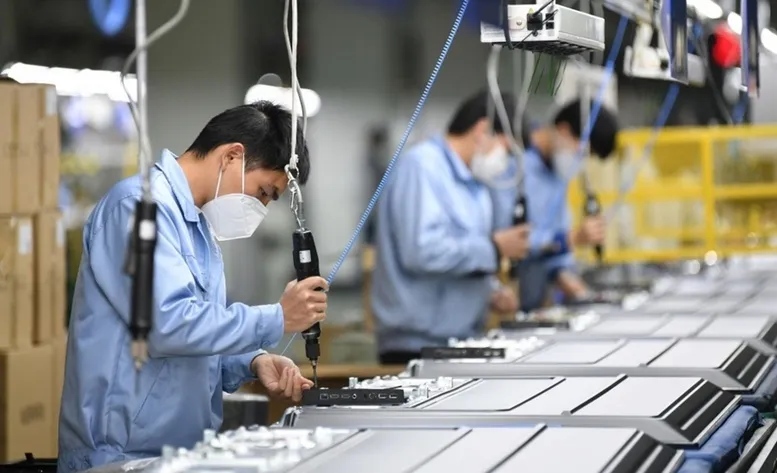
The Vietnamese business landscape in early 2026 demonstrates steady market attraction, with 169,842 businesses entering or re-entering the market nationwide, an 11.2% increase year-over-year. The average registered capital also saw a significant rise of 35.7%. However, this growth is tempered by a stark reality: in the first half of the year, 151,067 businesses exited the market, an 18.8% increase that outpaced the entry rate. Trends in June specifically highlighted a clearer market screening process, with newly established enterprises decreasing while capital scale for incoming firms rose sharply. Therefore, numbers alone no longer measure business health. The real test lies in long-term survival, expansion, and sustainable growth. According to Mr. Pham Ngoc Thach from the Vietnam Chamber of Commerce and Industry (VCCI), over one million enterprises are currently active. Yet, only about 420,000 report profits, while approximately 432,000 suffer losses. A substantial portion of the corporate sector struggles to generate sufficient profit for reinvestment. The root of this issue lies in corporate structure. Around 70% of non-state enterprises operate with capital under 10 billion VND, and over 81% employ fewer than 10 workers. Most businesses remain micro-scale with limited resources, making it difficult to build a competitive advantage. This operational vulnerability is reflected in thin profit margins: non-state enterprises achieve a profit margin of just 2.22%, significantly lower than foreign direct investment firms (5.25%) and state-owned enterprises (8.3%). Minor market shifts, cost surges, or interest rate hikes can easily push these small firms into crisis. VCCI surveys identify market demand as the main barrier today, with over 60% of businesses struggling to find customers and sales outlets. Access to credit presents another major hurdle, with over 75% of enterprises facing difficulties securing bank loans, 93.5% of which require collateral. Consequently, small enterprises, startups, and innovative ventures struggle to secure capital, even with viable plans. The enterprise landscape in the first six months of 2026 indicates that market attraction remains steady. Photo: Nguyen Hue/VietNamNet Newspaper Household businesses, a vital economic support comprising roughly 6.1 million entities and employing nearly 10 million workers, face similar challenges, with over 73% reporting only minimal profits. Furthermore, global economic instability adds pressure, as over 53% of manufacturing firms report reduced export orders due to international market fluctuations. Regulatory challenges persist, with VCCI receiving 879 business complaints in early 2026. Over 51% cited unclear regulations, nearly 37% reported high compliance costs, and 11.8% pointed to legal contradictions. Nevertheless, progress is evident in administrative reforms, with 3,085 procedures reduced or simplified in 2025 and business satisfaction with online public services reaching 90% to 91%. These figures demonstrate active reform and positive initial shifts. Mr. Thach outlines five key priority solutions: First, financial institutions must unlock working capital. Lenders should transition from collateral requirements to evaluating actual cash flows and business plans. Second, policymakers must support household businesses. Lowering tax and accounting compliance costs will help. A clear roadmap will enable capable households to transition into formal enterprises. Third, the government must help exporters absorb external shocks. Support should focus on reducing logistics costs, diversifying supply sources, and expanding economic diplomacy. Fourth, institutional reform must shift its focus. Evaluating execution quality must take priority over counting reduced procedures. Authorities should also strengthen post-inspection mechanisms rather than relying on pre-approval controls. Finally, market inflow remains steady and administrative reforms show results. However, low profits, credit barriers, and institutional bottlenecks continue to limit business resilience. Improving institutional execution offers the greatest potential to drive real, lasting change in the business environment.

0

Original source

Vietnam Insider

原文を読む