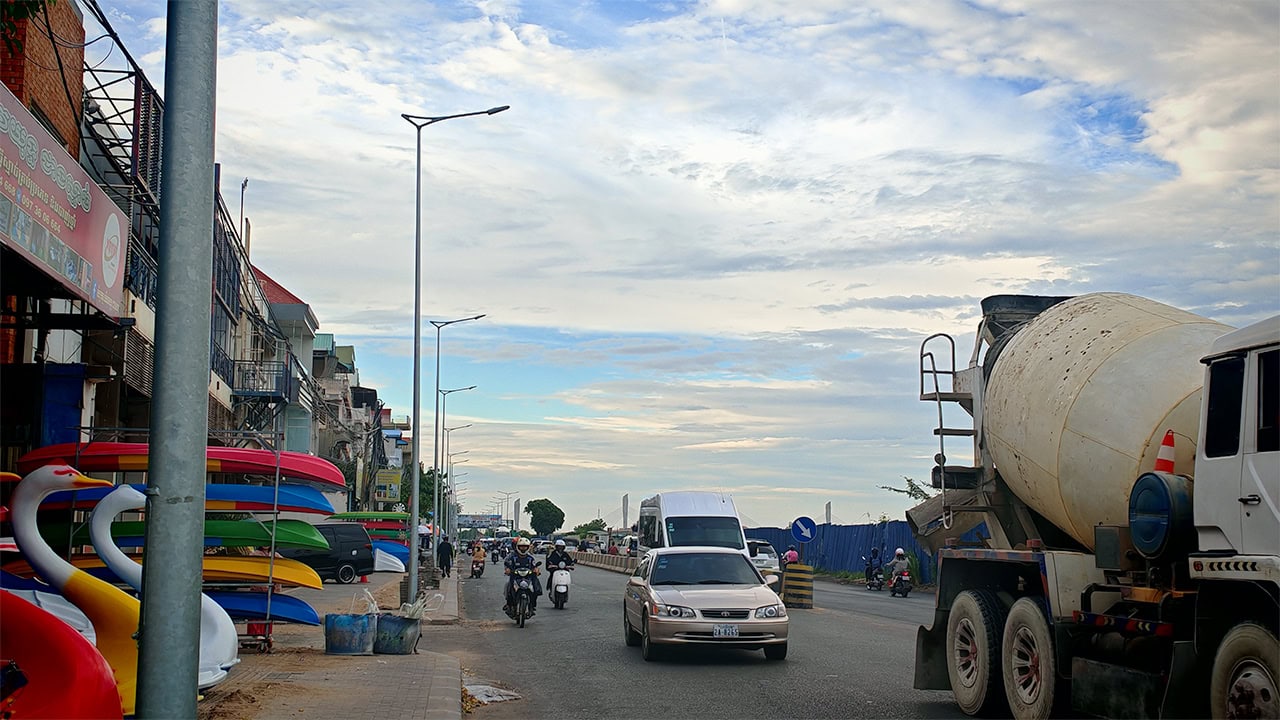
Cambodia Aims to Cut Traffic Accidents by 30% with Solar Streetlights
Cambodia plans to install solar-powered streetlights on major national roads and accident-prone areas, potentially reducing traffic accidents by up to 30%. This initiative signals a shift in government focus from road construction to safety and environmental quality.
Cambodia is planning to install solar-powered street lighting along busy national roads and other accident-prone areas. Adequate lighting could potentially reduce accidents by between 20 and 30 per cent, according to Minister of Public Works and Transport Peng Ponea. The plans will prioritise roads with heavy traffic, high numbers of accidents and other key public areas, as the government seeks to make road infrastructure safer for motorists and communities, rather than focusing solely on road construction and rehabilitation. Ponea announced that working group will be established under a memorandum of understanding to assess the locations where solar-powered streetlights are most urgently needed. The assessment is expected to focus on major national routes, including National Roads 5 and 6, as well as other heavily travelled corridors and sections of road with a high incidence of traffic accidents. “Roads with heavy traffic, such as National Roads 5 and 6, and some other sections are among the areas we are considering,” he said. “Roads where there are many traffic accidents… and areas around hospitals, schools and markets are also important locations for the installation of solar-powered lights,” he added. According to Ponea, international studies have shown that adequate lighting along national roads and other major routes can reduce traffic accidents by between 20 and 30%. He stressed that improved road illumination was particularly important for road users travelling at night, when poor visibility can increase the risk of collisions and make it more difficult for drivers to identify pedestrians, other vehicles and hazards. Ponea described the proposed expansion of street lighting as part of a broader shift in the government’s approach to road infrastructure, with greater emphasis being placed on safety and the quality of the environment surrounding roads. “In the past, when we built roads, we had hope. Now, after building roads, alongside hope, there must be safety,” he said. “Beyond that, when there is hope and safety, there must also be greater beauty,” he added. Solar-powered lighting could also provide a practical option for sections of national and rural roads where connection to conventional electricity infrastructure may be difficult or costly. The use of solar technology allows lighting systems to operate using renewable energy and could support their expansion to areas beyond major urban centres. Ponea noted that the locations will be subject to assessment, suggesting that installations will be based on road conditions and public needs rather than being rolled out uniformly across the country. The focus on schools, hospitals and markets could also improve safety for pedestrians and local residents who regularly cross or travel alongside roads, particularly during early morning and evening hours. Traffic accidents remain a major public safety concern in Cambodia, prompting authorities to repeatedly urge motorists to respect speed limits, avoid drink-driving and comply with traffic laws. While enforcement and driver behaviour remain central to reducing road deaths and injuries, Ponea’s comments highlight the role that road design and supporting infrastructure, including adequate lighting, can play in preventing crashes. The planned solar lighting assessment signals an effort to move beyond measuring road development solely by kilometres of roads constructed or rehabilitated, towards considering how infrastructure can better protect the people who use it. For Ponea, the objective is straightforward: Cambodia’s roads should offer not only connectivity and economic opportunity, but also safety. “We are all cooperating to make our national roads in the capital and provinces better,” he said.
多角的分析
太陽光街灯の導入は、初期投資はかかるものの、長期的に見れば電力コストの削減につながる可能性がある。特に、電力インフラが未整備な地域では、従来の電力網への接続コストを回避できるため、経済的なメリットが大きい。また、交通事故の減少は、医療費や車両修理費といった社会全体の経済的損失を低減させる効果も期待できる。
この計画は、再生可能エネルギー分野への投資機会を示唆している。太陽光発電技術や街灯の製造・設置に関わる企業にとって、新たなビジネスチャンスとなり得る。政府のインフラ投資は、関連産業への波及効果も期待できるため、投資家はカンボジアのエネルギーおよびインフラセクターの動向を注視する必要がある。
事故多発地域や学校、病院周辺への街灯設置は、歩行者や地域住民の安全を直接的に向上させる。特に夜間の視認性向上は、交通事故の被害を減らし、地域社会の安心感につながる。また、農村部への展開は、インフラ格差の是正にも貢献する可能性がある。
カンボジア市民、特に交通事故の多発地域に住む人々や夜間に移動する人々にとって、街灯の設置は生活の安全性を高める直接的な恩恵となる。交通事故による死傷者や経済的負担の軽減は、市民生活の質の向上に寄与すると考えられる。しかし、設置場所の選定が公平に行われるかが、市民の関心事となるだろう。
背景・歴史的文脈
カンボジアでは、経済成長に伴う自動車保有台数の増加や、道路インフラの未整備、交通ルールの遵守率の低さなどから、交通事故が深刻な社会問題となっている。過去数年間、政府は道路建設や改修に力を入れてきたが、事故件数の削減には限界があった。今回の太陽光街灯設置計画は、インフラ整備のあり方を、単なる物理的な構築物から、人々の安全を守るための機能的な要素へと転換させる試みと見られる。
原文ソース
Phnom Penh Post