Cambodia Launches $20 Million Energy Efficiency Fund for SMEs
Cambodia has launched a $20 million Energy Efficiency Revolving Fund (EERF) to help SMEs invest in energy-saving technologies, cut costs, and support its green economy transition. Backed by the ADB and UK, the fund aims to improve SMEs' access to financing.
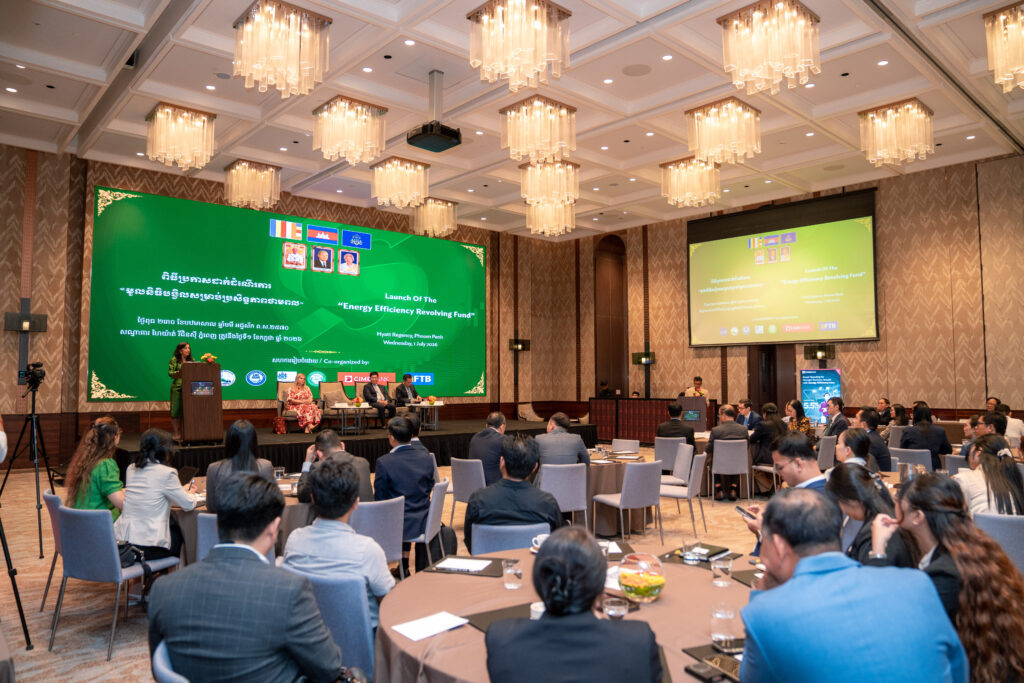
PHNOM PENH, July 2, 2026 (KPT) – Cambodia has launched a US$20 million Energy Efficiency Revolving Fund (EERF) to help small and medium-sized enterprises (SMEs) invest in energy-saving technologies, reduce operating costs, and support the country’s transition to a greener economy, officials said Wednesday. The fund, established under the Energy Transition Sector Development Program, is backed by the Royal Government of Cambodia, the Asian Development Bank (ADB), and the United Kingdom. It aims to improve SMEs’ access to affordable financing for energy-efficiency investments while accelerating Cambodia’s clean energy transition. “This initiative is an important step forward in Cambodia’s clean energy transition,” said Abigail Fryer, Deputy Head of Mission at the British Embassy in Phnom Penh. She noted that energy efficiency is the most cost-effective way to reduce emissions, strengthen energy security, and lower business costs. The UK is contributing US$12 million to the fund through the ASEAN Catalytic Green Finance Facility. ADB Cambodia Country Director Yasmin Siddiqi said the revolving fund comes at a critical time as Cambodia seeks to strengthen energy security and improve the competitiveness of its businesses. She noted that SMEs account for more than 90 percent of businesses in Cambodia but often face difficulties accessing financing, particularly women-owned enterprises. Although energy-efficiency projects require upfront investment, they can generate rapid returns through lower electricity consumption, reduced operating costs, and higher productivity. “The Energy Efficiency Revolving Fund has been designed precisely to address these barriers,” Siddiqui said. “By providing SMEs with access to financing on more favorable and tailored terms, businesses will be able to invest in modern energy-saving equipment and practices, reducing their energy costs, improving productivity, and lowering their reliance on imported fuels.” Ty Norin, Permanent Secretary of State at the Ministry of Mines and Energy, said Cambodia aims to achieve 70 percent renewable energy generation capacity by 2030 while cutting energy consumption by 19 percent. He described energy efficiency as “the first fuel” because “the cheapest, cleanest, and most secure energy is the energy we do not need to consume.” Phan Phalla, Secretary of State at the Ministry of Economy and Finance and Chairman of SME Bank Cambodia, said the fund addresses a financing gap that has hindered implementation of Cambodia’s energy efficiency strategy. Under the Energy Efficiency Financing Scheme, eligible SMEs can access loans of up to US$1 million, with repayment terms of up to 10 years and concessional interest rates of up to 5.5 percent to invest in energy-efficient equipment and renewable technologies. The facility will be implemented by SME Bank of Cambodia, with credit guarantees provided by the Credit Guarantee Corporation of Cambodia (CGCC). CIMB Bank Plc and the Foreign Trade Bank of Cambodia (FTB) are the first participating financial institutions. Officials said the fund is expected to help businesses improve productivity, lower energy costs, and contribute to Cambodia’s long-term green growth and energy security goals.
多角的分析
この基金創設は、カンボジア経済の持続可能性を高める上で重要な一歩である。SMEがエネルギー効率向上に投資することで、運営コストの削減は直接的な利益となり、企業の収益性向上に寄与する。これは、カンボジアのGDPの大部分を占めるSMEセクターの競争力強化に繋がり、ひいては国内経済全体の安定化に貢献すると考えられる。また、エネルギー消費の削減は、輸入燃料への依存度を低下させ、貿易収支の改善にも間接的に貢献する可能性がある。
このファンドは、環境・社会・ガバナンス(ESG)投資に関心を持つ国内外の投資家にとって、カンボジアにおける新たな投資機会を示唆している。特に、英国からの資金提供は、国際的な基準や持続可能性への配慮が投資判断に影響を与えていることを示している。SMEがエネルギー効率の高い設備に投資することで、長期的な事業リスクが低減し、投資収益率の安定化が期待できる。参加金融機関の選定も、投資家がリスクを評価する上での参考となるだろう。
SME、特に女性が所有する企業が直面する資金調達の困難さは、カンボジア社会における経済的格差の一側面を示唆している。この基金が、これまで金融アクセスが限定的だった層に恩恵をもたらすことで、より包摂的な経済発展に貢献することが期待される。エネルギー効率の向上は、単にコスト削減だけでなく、よりクリーンな労働環境の実現にも繋がりうる。しかし、基金へのアクセスが公平に行き渡るか、また、技術的な知識やリソースが不足しているSMEへのサポート体制が十分かが、社会的な公平性を担保する上での鍵となるだろう。
カンボジア国民、特にSMEの経営者や従業員にとっては、事業運営コストの削減は生活の安定に直結する。電気料金の低下は、家庭の支出にも間接的な影響を与える可能性がある。また、国のグリーン経済への移行は、将来世代のためのより良い環境を約束するものであり、国民全体の長期的な幸福に寄与すると考えられる。しかし、基金の恩恵が全国のSMEに均等に行き渡るか、また、省エネ技術の導入に伴う追加的な負担がないかなど、具体的な影響は今後の実施状況にかかっている。
背景・歴史的文脈
カンボジアは、経済成長に伴うエネルギー需要の増加に直面しており、特にSMEセクターのエネルギー効率改善は長年の課題であった。過去、SMEは設備投資のための資金調達に苦労しており、エネルギーコストの高さが競争力を低下させる要因となっていた。2020年代に入り、気候変動対策への国際的な関心が高まる中、カンボジア政府は再生可能エネルギーの導入とエネルギー効率の向上を国家戦略に位置づけてきた。今回の基金創設は、こうした背景の下、ADBや英国といった国際パートナーとの連携を強化し、具体的な施策として実行に移されたものである。
原文ソース
Kampuchea Thmey English