Solar-Powered Automated Irrigation Wells Enhance Rural Livelihoods in Cambodia
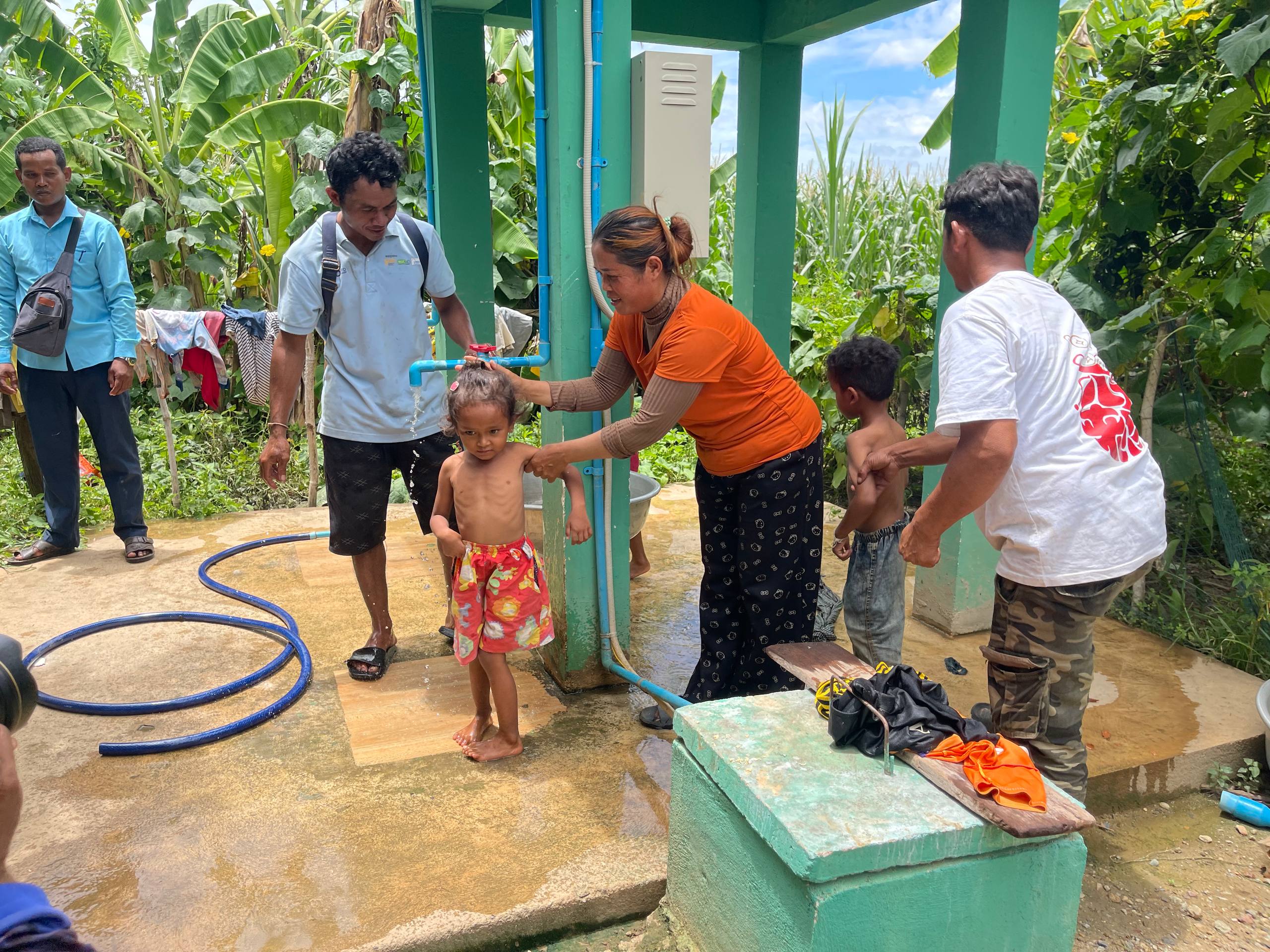
Solar-powered automated irrigation wells, built by the Ministry of Environment and Wildlife Alliance under the REDD+ project in Poipet province, Cambodia, are providing clean, free water to local communities, supporting agriculture and livestock. This initiative also contributes to climate change mitigation.
Poipet Province, Cambodia – Two large water wells, equipped with solar-powered automated systems, are significantly improving the livelihoods of residents in Tades village, Samroung commune, Phnom Kravanh district, Poipet province. Implemented by Wildlife Alliance (WA) and the Ministry of Environment under the Phnum Samkos REDD+ project, these wells each have a capacity to supply 10,000 liters of water, providing clean water free of charge to the community. Mr. Heun Samet, a resident of Tades village, confirmed the crucial role of these wells in community water access, stating that they have eliminated difficulties in obtaining clean water. Mrs. Thoun Sreaioun added that the well water is not only used for daily consumption but also for irrigating small farms near homes and for livestock, eliminating previous water usage costs. Mr. Sarou Vuth, head of the Samroung Partner Community, highlighted that the wells have greatly assisted in water utilization, reducing expenses and improving the living standards of the community members. Mr. Touch Sophany, head of the local development program at Wildlife Alliance, reported that these large-capacity wells are bringing substantial positive changes to over 60 families, many of whom are indigenous people living in remote areas within the Phnum Samkos Wildlife Sanctuary. Residents do not incur costs for fuel or electricity. His Excellency Khvay Adithya, Undersecretary of State at the Ministry of Environment, stated that these wells reduce household expenses, including fuel and healthcare costs, by ensuring a reliable supply of clean water for daily use, agriculture, and livestock. He further emphasized that this clean energy initiative aligns with climate change mitigation strategies and contributes to the future goal of transforming communities into carbon-neutral entities. The REDD+ project is an international mechanism established to reduce greenhouse gas emissions from deforestation and forest degradation. In Cambodia, funds generated from the sale of carbon credits through this project are utilized for environmental protection and supporting local community livelihoods. Source: AKP Khmer
多角的分析
このプロジェクトは、太陽光発電という再生可能エネルギーを活用することで、長期的な運営コストを大幅に削減している。住民は水の使用料だけでなく、従来の燃料(灯油など)や電力料金の支払いを免除されるため、家計の負担が軽減される。これは、特に農村部において、可処分所得の増加に直結し、地域経済の活性化に寄与する可能性がある。また、農業用水や家畜用水の安定供給は、生産性の向上につながり、地域全体の経済基盤を強化する要因となりうる。
REDD+プロジェクトは、国際的な環境保護資金を活用した投資モデルと言える。この井戸建設プロジェクトは、直接的な商業投資というよりは、開発援助や環境債券のような性質を持つ。投資家(ここでは主に国際機関や環境保護団体)は、CO2排出削減という環境目標達成と、カンボジアの農村部における生活改善という社会的目標達成の両方に貢献できる。将来的に、同様の再生可能エネルギーインフラプロジェクトへの民間投資を呼び込むためのモデルケースとなる可能性も秘めている。
タデシュ村の住民、特に先住民コミュニティにとって、清潔な水へのアクセスは生活の質を劇的に向上させる。これまで水汲みに費やしていた時間や労力が解放され、教育や他の生産活動に充てられるようになる。また、水質汚染による健康被害のリスクが低減され、医療費の削減にもつながる。さらに、農業や畜産業への水の安定供給は、食料安全保障を高め、コミュニティのレジリエンス(回復力)を強化する。
タデシュ村の住民は、清潔で無料の水が利用できるようになったことで、日々の生活における大きな負担から解放されている。特に、水汲みや水代にかかっていた時間と労力が削減されたことは、女性や子供たちにとって大きな恩恵である。農業や家畜への水の供給が安定したことで、収穫量の増加や家畜の健康状態の改善が期待でき、食料の安定確保と収入増につながる可能性がある。これは、住民の生活満足度を直接的に向上させる要因となる。
背景・歴史的文脈
カンボジアでは、農村部における安全な水へのアクセスが長年の課題である。多くの地域で、汚染された水源への依存や、水汲みに多大な時間を費やすことが住民の健康と経済活動を阻害してきた。REDD+(森林減少・劣化からの排出削減)は、気候変動対策の一環として、森林保全活動を通じて得られる資金を開発途上国の持続可能な開発に充てる国際的な枠組みである。カンボジア政府は、この枠組みを活用し、環境保護と国民生活の向上を両立させるプロジェクトを推進している。Phnum Samkos地域は、生物多様性の宝庫であると同時に、先住民コミュニティが暮らす開発から取り残されがちな地域でもあり、このようなインフラ整備は喫緊の課題であった。
原文ソース
AKP Khmer