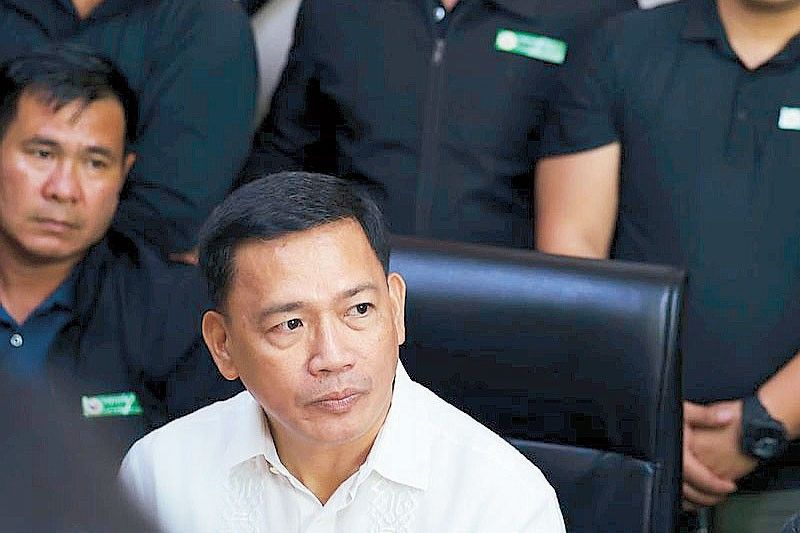
Arrest warrant issued for lawyer over cyberlibel vs. DA chief
A Makati court has ordered the arrest of lawyer Levito Baligod on cyberlibel charges filed by Department of Agriculture Secretary Francisco Tiu Laurel Jr. Baligod allegedly made remarks linking the DA chief to the supposed delivery of kickback money.
A Makati court has ordered the arrest of lawyer Levito Baligod on cyberlibel charges filed by Department of Agriculture Secretary Francisco Tiu Laurel Jr. The charges stem from Baligod's alleged remarks linking the DA chief to the supposed delivery of kickback money stuffed in suitcases. Acting Presiding Judge Antonio Ray Ortiguera of the Makati City Regional Trial Court Branch 148 issued the warrant of arrest on June 15, charging Baligod with two counts of cyberlibel under Section 4(c)(4) of the Cybercrime Prevention Act. The court set bail at P20,000 for each count. Baligod, lawyer for the 18 alleged bodyguards of former congressman and fugitive Zaldy Co, posted a copy of the arrest warrant on Facebook on Monday. The cyberlibel charges stemmed from a complaint filed by Tiu Laurel in late March, denying Baligod’s allegations that the 18 ‘bagmen’ claimed money from his former residence in Forbes Park. The agriculture chief also maintained he has not lived in the subdivision since 2018. Reacting to the arrest warrant, Baligod claimed he was denied due process during the preliminary investigation, alleging that Tiu Laurel deliberately provided an incorrect address to the prosecutor’s office, preventing him from receiving a subpoena and submitting his counter-affidavit. “This case filed by DA Secretary Francisco Tiu Laurel succeeded because my address intentionally provided to the prosecutor’s office was wrong. As a result, I did not receive the subpoena and was unable to submit my counter-affidavit,” Baligod said in a Facebook post. “He doesn’t want to fight fair.” The court directed law enforcement officers to arrest Baligod at his residence in Fort Bonifacio, Taguig. It also ordered arresting officers to use at least one body-worn camera and one alternative recording device, or a minimum of two recording devices, to document relevant incidents during the implementation of the warrant. This case highlights legal disputes surrounding freedom of speech and defamation in the Philippines, particularly when public officials are involved. It also underscores the reach of the Cybercrime Prevention Act and the potential legal ramifications of online statements.
多角的分析
この事件は直接的な経済的影響は小さいが、公人に対する名誉毀損訴訟は、フィリピンにおける言論の自由とビジネス環境の健全性に対する懸念を高める可能性がある。特に、情報発信がビジネス上の評判や投資判断に影響を与えうる現代においては、このような訴訟の増加は、情報流通の自由度に対する投資家の心理に影響を与えることも考えられる。
投資家にとって、この種の訴訟はフィリピンの法制度におけるリスク要因として認識される可能性がある。特に、言論の自由が制限される、あるいは恣意的な訴追が行われるという懸念が生じると、外国からの直接投資(FDI)や証券市場への投資判断に影響を与える可能性がある。ただし、今回は個別の名誉毀損事件であり、広範な影響は限定的と見られる。
この事件は、公職にある人物に対する批判的な発言が、サイバー誹謗罪という形で法的制裁を受ける可能性を示唆している。バリゴド氏が主張する「適正手続きの欠如」は、市民の言論の自由と、公職者に対する説明責任を求める権利が、法的手続きの中でどのように保障されるべきかという問題を提起している。また、SNS上での発言が、個人の自由な表現活動を萎縮させる可能性も懸念される。
市民、特にSNSを利用する人々にとっては、公人に対する批判的な意見表明が、予期せぬ法的問題に発展するリスクを実感させる出来事となる。バリゴド氏が主張するように、手続き上の不備があった場合、市民は自身の権利を十分に主張できないまま、法的措置を受ける可能性がある。これは、情報へのアクセスや、公的機関に対する説明責任を求める市民の権利に影響を与える。
背景・歴史的文脈
フィリピンでは、サイバー犯罪防止法(Republic Act No. 10175)が2012年に施行され、サイバー空間における犯罪行為を包括的に規定している。この法律の一部であるサイバー誹謗罪(Section 4(c)(4))は、オンラインでの名誉毀損行為を罰するもので、その適用範囲と解釈を巡っては、表現の自由とのバランスを巡る議論が続いてきた。特に、公職者に対する批判的な言論が、この法律に基づいて訴追されるケースは少なくなく、市民社会からは、権力による言論弾圧の道具として利用される懸念が指摘されている。今回の事件は、こうした既存の法的枠組みと、公人に対する批判という文脈が交錯する典型例と言える。
原文ソース
Philstar Nation