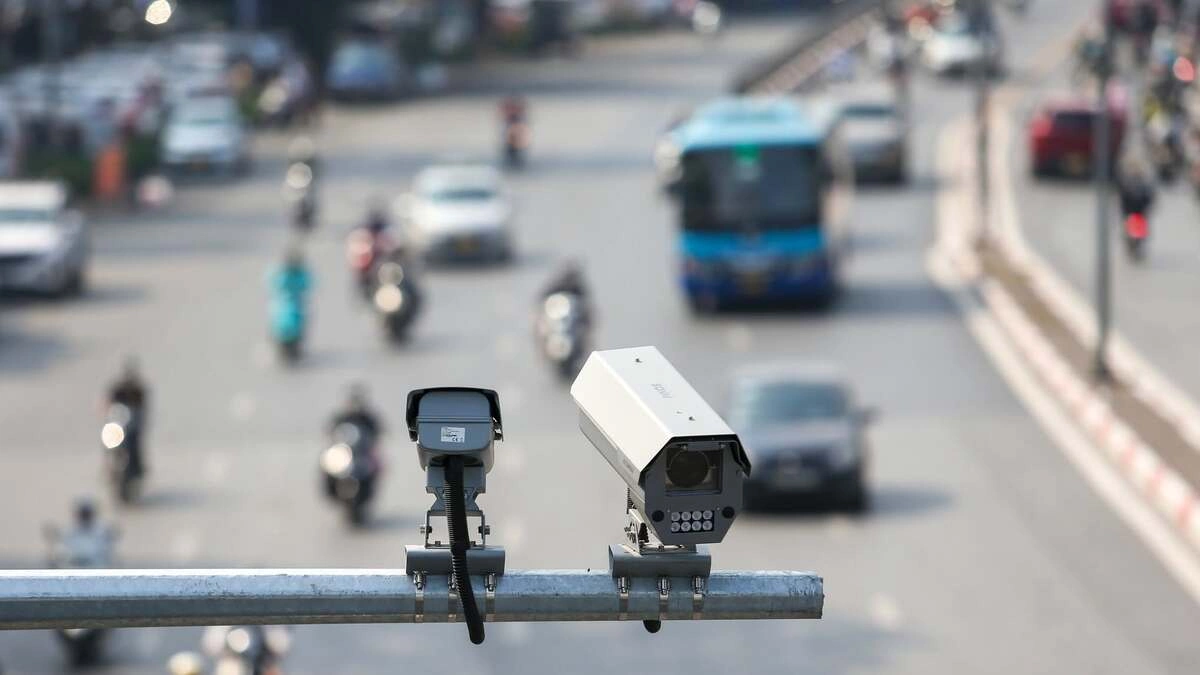
Hanoi Deploys Nearly 5,000 AI Cameras to Monitor Urban Order Violations
Technology
2026年6月29日
3
VnExpress
Relations
🇻🇳Vietnam🇹🇭Thailand

Hanoi Deploys Nearly 5,000 AI Cameras to Monitor Urban Order Violations

AI サマリー

Hanoi has deployed nearly 5,000 AI cameras to monitor not only traffic violations but also urban order and littering. The system also provides real-time traffic information and predicts congestion.

Hanoi, Vietnam's capital, has completed the installation of approximately 5,000 cameras equipped with artificial intelligence (AI) to enhance monitoring of urban order and environmental violations, in addition to traffic offenses. On June 29, the Hanoi Police inaugurated Phase 2 of their Command Information Center, deploying a surveillance camera system for traffic control and violation enforcement. This phase added 2,460 AI cameras across the city. These include over 1,100 cameras for traffic violation enforcement, 960 for traffic volume measurement, 112 for intersection monitoring, 251 PTZ cameras for security and order maintenance, and 30 for speed violation enforcement. To support system operations, 57 servers, 36 VMS displays for traffic information and alerts, 100 traffic signal control boxes, 930 camera poles, 47.5 km of fiber optic cable, and 13.6 km of power cable have been installed at 238 key intersections, major arterial roads, and central city areas. This upgraded system features comprehensive technological enhancements over previous phases, including new functionalities like AI-powered "green wave" traffic signal control, congestion prediction, adaptive signal control, and real-time traffic information provision. The AI cameras are capable of detecting not only traffic violations such as running red lights, lane violations, illegal parking, wrong-way driving, speeding, and not wearing helmets or seatbelts, but also violations related to urban order and environmental sanitation, including public disturbances, trespassing in restricted areas, weapon use, fires, smoke, and illegal dumping. Combined with the 1,837 cameras installed on 25 major roads and 195 key intersections since December 2025, the total number of AI cameras in Hanoi now nears 5,000. Starting July 15, 36 electronic traffic information boards will begin operating, providing real-time traffic updates. This is expected to help citizens choose appropriate routes, contributing to congestion reduction and improved traffic management efficiency. Source: VnExpress

多角的分析

経済的影響

AIカメラシステムの導入は、交通管理の効率化による経済的損失の削減、および都市インフラへの投資という側面を持つ。渋滞予測やリアルタイム情報提供は、物流コストの削減や市民の生産性向上に寄与する可能性がある。しかし、システムの維持管理コストや、AIによる監視強化が市民の経済活動に与える心理的影響(例:取締り強化による移動・活動の抑制)は、長期的な経済効果を評価する上で考慮すべき点である。

投資家心理

このAIカメラシステムへの投資は、ベトナムのスマートシティ化とテクノロジー導入への意欲を示すものと言える。インフラ整備や公共安全分野への投資は、関連するテクノロジー企業や建設関連企業にとって新たなビジネス機会をもたらす可能性がある。ただし、投資回収の見込みや、システム導入・運用における透明性、データプライバシーに関する国際的な規制動向なども、海外投資家が考慮すべきリスク要因となるだろう。

社会的影響

AIカメラによる監視強化は、都市秩序の維持や安全向上に貢献する一方で、市民のプライバシーや自由な行動に対する懸念も生じさせる。特に、AIが検知する「都市秩序違反」の定義や、その取締りが市民生活のどのような側面に影響を与えるかについては、さらなる説明と市民との対話が必要となるだろう。例えば、ゴミのポイ捨て監視は環境改善に繋がるが、過度な監視は市民の心理的負担となり得る。また、AIによる顔認識などの技術が、将来的にどのような用途で使われるかについても、社会的な議論が求められる。

市民の声

ハノイ市民にとって、AIカメラの増加は、交通安全の向上や渋滞緩和といった恩恵をもたらす可能性がある。リアルタイムの交通情報板の導入は、日々の通勤や移動をより効率的にするだろう。しかし、常に監視されているという感覚は、市民の行動に影響を与えるかもしれない。特に、AIが検知する「都市秩序違反」の基準が不明確な場合、意図せず違反とみなされるリスクや、監視カメラの設置場所による恩恵の偏り(都心部中心など)も懸念される。

背景・歴史的文脈

ベトナム政府は、経済成長と並行して、社会の安定と秩序維持を重視している。特に、都市部における交通渋滞や環境問題は、市民生活の質に直結する課題として認識されている。2018年頃から、ハノイやホーチミン市などの主要都市では、スマートシティ構想の一環として、交通管理や公共安全のためのテクノロジー導入が進められてきた。AIカメラの導入は、これらの取り組みの延長線上にあり、より高度なデータ分析とリアルタイム対応を目指すものである。これは、国内の治安維持能力を高めると同時に、国際社会からの投資を呼び込むためのインフラ整備としても位置づけられる。

原文ソース

VnExpress

原文を読む