General articles are free for 24 hours after publish.
New Schools Open Doors to Learning in Vietnam’s Border Areas
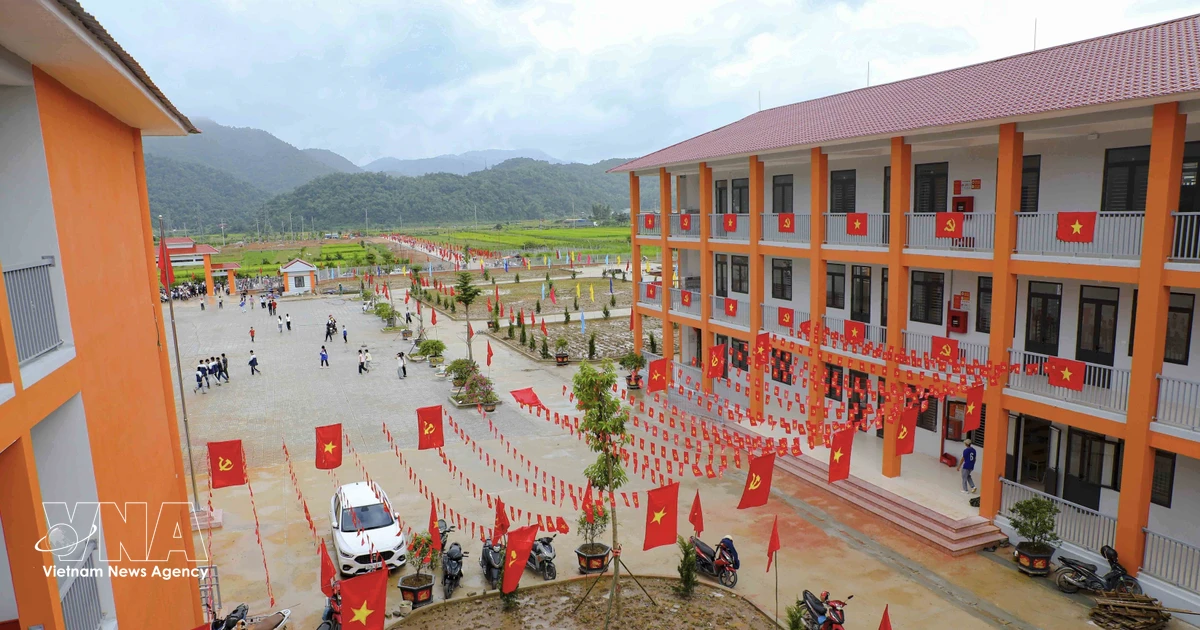
New multi-level schools have opened in Vietnam’s border areas and ethnic minority communities for the 2026-2027 academic year, offering students in disadvantaged regions safer and better-equipped learning environments and aiming to narrow the education gap.
New multi-level schools have opened in Vietnam’s border areas and ethnic minority communities for the 2026-2027 academic year, providing students with safer and better-equipped learning environments and helping to narrow the education gap in disadvantaged regions. The Vietnamese Communist Party has prioritized extending the benefits of economic growth nationwide, with the rectification of educational disparities being a key component of this policy. The government recognizes that support for border areas and ethnic minority communities, which are often geographically isolated and socio-economically disadvantaged, is essential for maintaining national unity and development. These newly established schools are understood to feature more modern and functional classrooms, libraries, and laboratory facilities compared to traditional ones. This is expected to enhance students' opportunities to receive quality education and boost their motivation to learn. Furthermore, the development of educational infrastructure can foster regional development and serve as a foundation for future economic self-sufficiency. The Vietnamese government continues to expand investment in education, with a particular focus on improving access to primary and secondary education. The opening of new schools in border areas signifies a further push in these initiatives. In the long term, equalizing educational opportunities is anticipated to contribute to the overall human capital development of Vietnam and support sustainable economic growth.
Original source
VietnamPlus English