General articles are free for 24 hours after publish.
Cambodia's Past Trauma and Present Scrutiny: A Question of Justice and Double Standards
A Cambodian citizen questions the perceived double standards in international attention, contrasting the slow response to the Khmer Rouge genocide with current intense scrutiny on issues like online scams. The piece calls for equitable justice, acknowledging Cambodia's historical victimhood and resilience.
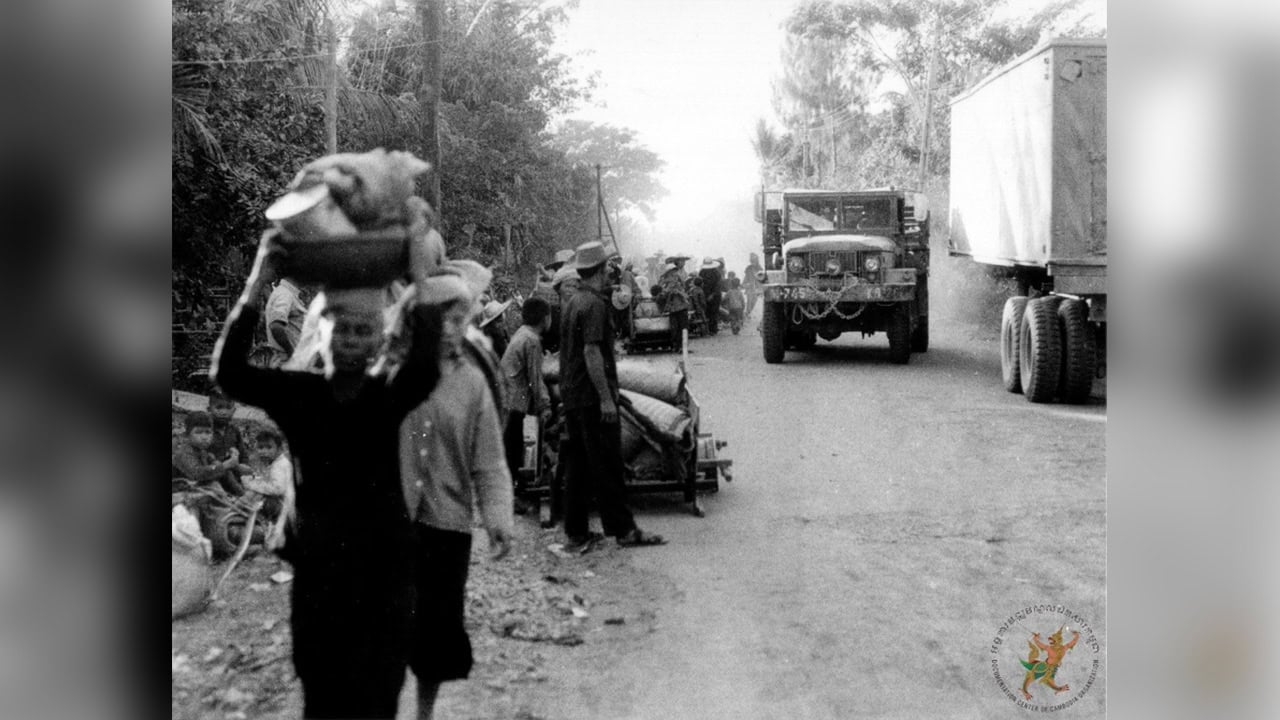
Cambodia’s history carries one of the darkest chapters of the 20th century. Between April 17, 1975, and January 7, 1979, for 3 years, 8 months, and 20 days, the Cambodian people suffered under the brutal rule of the Khmer Rouge regime led by Pol Pot. During this period, millions of innocent people lost their lives through execution, forced labour, starvation, disease and systematic destruction of society. The Cambodian people were pushed into what became known as the Killing Fields, where families were separated, intellectuals and professionals were targeted, and ordinary citizens suffered unimaginable hardship. It was a national tragedy and a crime against humanity. Yet, during those years of darkness, many Cambodians still ask a painful question: Why did the international community not intervene to stop the killing and suffering? The answer is complicated because the world at that time was deeply divided by the Cold War. Cambodia became trapped in a struggle between powerful nations. International decisions were often influenced by geopolitical interests, alliances and competition between major powers, rather than by humanitarian concerns. Cambodia was isolated from the outside world. Information about what was happening inside the country was limited. The voices of victims were rarely heard internationally, and the scale of the tragedy became fully understood only after the fall of the Khmer Rouge in January 1979. For many survivors, this remains a painful memory: a small nation suffered one of history’s worst genocides, yet the world appeared unable or unwilling to act quickly enough. Today, decades later, Cambodia often finds itself under international attention for issues such as online scams, human trafficking and organised crime. These problems are serious and deserve action because victims around the world have suffered from criminal networks. However, as a Cambodian citizen, I also wonder why some international attention appears uneven. Online scams are not a problem found only in Cambodia. Similar criminal activities exist in many countries and regions around the world. Yet sometimes Cambodia receives a level of focus that raises questions about fairness, balance and international priorities. The purpose of raising this question is not to deny problems or avoid responsibility. Every country must address crimes within its territory and cooperate with international efforts to protect victims. Cambodia, like every nation, has a responsibility to improve law enforcement, strengthen institutions and fight criminal networks. But justice and accountability should be applied equally everywhere. The world should remember that Cambodia was once a victim of a devastating humanitarian catastrophe. A country that experienced genocide, war, and decades of instability should not only be viewed through the challenges it faces today. Its history, resilience and efforts to rebuild should also be recognised. International attention should not be based only on political interests, media priorities or the influence of powerful countries. Human suffering deserves equal concern whether it happens in a small country or a powerful nation. The lesson from Cambodia’s past is clear: when the world ignores suffering, innocent people pay the price. When the world responds only according to political interests, justice becomes incomplete. Cambodia’s story is not only about tragedy. It is also a story of survival, rebuilding and hope. The international community should continue to support accountability, cooperation and fairness — not through selective attention, but through a genuine commitment to human dignity everywhere. Justice should not depend on the size of a country, the power of its allies or the attention of the media. Justice should belong equally to all people. Tesh Chanthorn is a Cambodian citizen who longs for peace. The views and opinions expressed are his own.
Original source
Phnom Penh Post