Loss and Damage Fund Board Meets in Manila Amidst Funding Shortfall Concerns
Diplomacy
2026年7月8日
5
GMA News Philippines

Loss and Damage Fund Board Meets in Manila Amidst Funding Shortfall Concerns

AI サマリー

The 9th board meeting of the Fund for Responding to Loss and Damage (FRLD) is underway in Manila, Philippines. Civil society organizations (CSOs) are raising alarms about the fund's insufficient capital and slow response to proposals, with the total value of submitted proposals vastly exceeding the current budget.

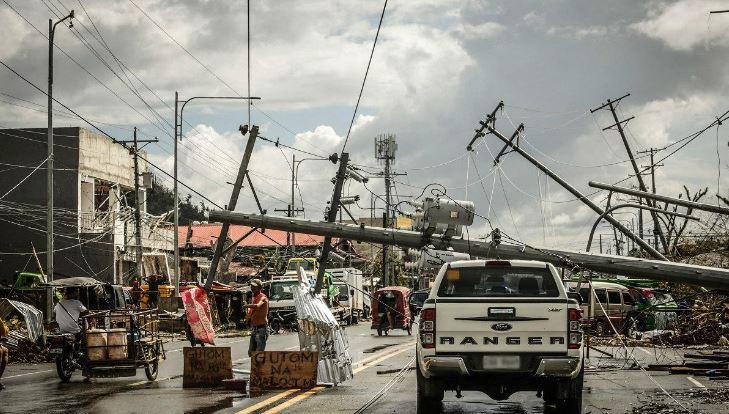
As the 9th board meeting of the Fund for Responding to Loss and Damage (FRLD) is underway in Manila, Philippines, civil society organizations (CSOs), indigenous peoples groups, and climate justice advocates are raising alarms about the fund's insufficient capital and slow response to proposals. The FRLD currently holds approximately $250 million (around P15.3 billion) in funds. In contrast, the fund is considering 176 proposals totaling $2.8 billion (approximately P171.9 billion). This is more than 11 times the current budget, according to John Leo Algo, national coordinator for Aksyon Klima Pilipinas. Brandon Wu, director of policy and campaigns at ActionAid USA, stated at a virtual press briefing that proposals can be up to $20 million each, and developing countries alone require $400 billion annually. He added that the fund has received less than $500 million, which is less than what the U.S. spent daily to sustain the Iran war at its peak. Of the 176 proposals received, 81 are from Africa, 49 from the Asia-Pacific, 42 from Latin America/Caribbean, and 4 from Eastern Europe. The Philippines has submitted one proposal. However, Algo expressed concern that only four proposals, worth $77.4 million (approximately P4.8 billion), will be presented to the board for approval. These four proposals were among the first 10 submitted during the previous board meeting. He warned that this situation could unjustly leave hundreds of proposals, including the Philippines', out of consideration for urgent access to much-needed resources. He also pointed out that not all countries have the opportunity to make submissions well in advance due to limited capacities and resources. Tetet Lauron, a climate activist and representative for the Women and Gender Constituency at the Santiago Network Advisory Board, highlighted the impact of Super Typhoon Inday (international name Bavi), which is currently in the Philippine Area of Responsibility. "Storms have become so strong, they don't need to hit land to wreck havoc. And recovery sometimes takes 10-15 years," she said. Lauron explained that communities are confronting climate change impacts on top of their everyday concerns, despite contributing very little to the crisis. She called on the board to do better and act differently, noting that multilateral funds have been bypassing these communities. She is advocating for direct budget support and a system that allows communities to apply and receive support, harnessing local knowledge. "The inclusion of marginalized voices shifts the discussion and allows for local ownership," she stated, adding that "there is enough money going around." Harjeet Singh, convener of the Fill the Fund campaign and strategic advisor to the Fossil Fuel Treaty Initiative, summarized the ask as "Scale, speed, and access." He added, "Communities are still not getting the financial support they need." In addition to Super Typhoon Inday, Algo also pointed to the impending Super El Niño, urging, "It is time for the Fund to step up to its mandate, speed up its operations, and scale up its resources for the most vulnerable countries and communities." The 9th board meeting of FRLD takes place in Manila from July 8-10. The Philippines was elected to host the Board in July 2024 and formally signed the agreement to do so at the 29th United Nations Conference of Parties, or COP29, in Baku, Azerbaijan, four months later. Source: GMA News Philippines

多角的分析

経済的影響

気候変動による損失・損害基金(FRLD)の資金不足は、開発途上国が直面する経済的課題を浮き彫りにしている。年間4000億ドルという巨額の必要額に対し、現在の基金の規模はそれを大きく下回っており、提案額の総額も現在の予算を大幅に超過している。これは、気候変動の影響を受けた国々が、復旧・適応に必要な資金へのアクセスを確保する上で、構造的な障壁に直面していることを示唆している。特に、提案書の作成や提出には専門知識とリソースが必要であり、資金調達能力の低い国々が不利な立場に置かれる可能性がある。

投資家心理

投資家にとって、FRLDの資金不足は、気候変動関連の投資機会の不確実性を示唆している。気候変動による損害への対応基金が十分な資金を確保できない場合、再生可能エネルギーや適応策への投資が遅延する可能性がある。これは、ESG(環境・社会・ガバナンス)投資を重視する投資家にとっては、リスク要因となりうる。一方で、基金の設立や運営における透明性や効率性が向上すれば、新たな投資機会が生まれる可能性もあるが、現状ではその見通しは不透明である。

社会的影響

フィリピンの市民社会団体や気候活動家は、基金の資金不足と対応の遅さに対して強い懸念を表明している。特に、スーパー台風インディやスーパーエルニーニョといった異常気象の影響を直接受けるコミュニティは、自分たちがほとんど原因を作っていない気候変動の被害に苦しみながら、必要な支援を受けられない状況に置かれている。テテット・ラウロン氏が指摘するように、疎外された声が取り上げられ、地域社会の知識が活用されるような仕組みが求められており、これは、気候変動対策における包摂性と公正さという、より広範な社会課題とも関連している。

市民の声

フィリピン市民にとって、気候変動は単なる環境問題ではなく、生活に直結する現実的な脅威である。スーパー台風やエルニーニョ現象といった異常気象は、家屋の損壊、農作物の被害、インフラの破壊を引き起こし、人々の生活基盤を揺るがす。FRLDのような基金が、これらの被害からの復旧や、将来の災害への適応に必要な資金を迅速かつ公平に提供できない現状は、市民の不安を増大させる。特に、貧困層や地方のコミュニティは、気候変動の影響を受けやすく、支援へのアクセスが限られているため、その影響はより深刻である。

背景・歴史的文脈

気候変動による損失・損害(Loss and Damage)の概念は、気候変動の不可避な影響に対する責任と支援を問う声が高まる中で、国際的な気候変動交渉において長年議論されてきた。特に、先進国の歴史的な温室効果ガス排出責任と、途上国が直面する甚大な被害との間の不均衡が問題視されてきた。2022年のCOP27で、損失・損害のための基金設立が合意され、2023年のCOP28では、基金の運営に関する暫定的な枠組みが合意された。フィリピンは、気候変動の影響を最も受けやすい国の一つとして、この基金の設立と運営に積極的に関与している。

原文ソース

GMA News Philippines

原文を読む