Energy Efficiency Improvements Could Boost Vietnam's GDP: UNDP Research
Research by the United Nations Development Programme (UNDP) suggests that improving energy efficiency in Vietnam could boost GDP, reduce energy consumption and emissions, and increase household incomes. Policymakers can utilize new analytical tools to assess impacts on economic growth, emissions, and incomes.
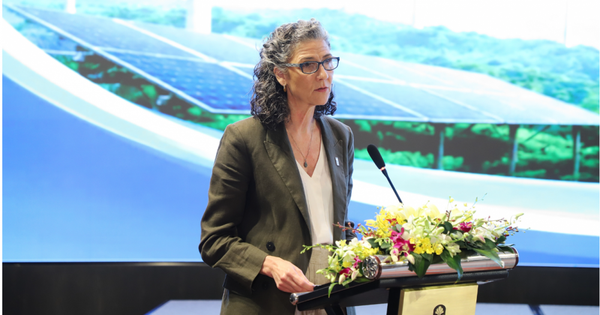
Research by the United Nations Development Programme (UNDP) indicates that improving energy efficiency could significantly boost Vietnam's Gross Domestic Product (GDP). The findings suggest that enhanced energy efficiency not only helps reduce energy consumption and emissions but also raises disposable incomes across all household groups. This highlights the potential for well-designed energy transition policies to deliver simultaneous economic, environmental, and social benefits. The research outcomes are derived from a range of policy scenarios tested using new analytical tools unveiled at a workshop in Hanoi. These tools are designed to support evidence-based policymaking, enabling Vietnamese policymakers to assess the effects of different energy-transition policies on economic growth, emissions, and the incomes of various household groups, including the most vulnerable. Central to these tools is a new Energy-focused Social Accounting Matrix (ESAM), a comprehensive economic dataset that maps the interconnections between production, energy use, household income, and emissions within a unified analytical framework. The ESAM was developed through a collaboration involving the Institute for Policy and Strategy Studies (IPSS), the University of Copenhagen, the General Statistics Office of Vietnam, and UNDP in Vietnam. The study also explored policy options that might involve more challenging economic and social trade-offs. For instance, modeling suggests that a carbon tax of US$15 per ton of carbon dioxide equivalent could reduce emissions by approximately 2.9% by increasing the relative cost of carbon-intensive activities. However, this could lead to a decline in GDP of around 0.8% and, without compensatory measures, a potential fall in household incomes across various income brackets. Ramla Khalidi, UNDP Resident Representative in Vietnam, emphasized the ESAM's value in helping policymakers evaluate the economic, social, and distributional impacts of energy transition policies. She noted that tools like the ESAM are crucial for understanding these trade-offs and designing policies that advance energy security, environmental sustainability, and, critically, equity. As Vietnam accelerates its transition towards a low-carbon economy, robust evidence and forward-looking policy analysis will be vital to ensure that growth, energy security, emissions reduction, and social inclusion progress together.
多角的分析
ベトナム経済は現在、製造業と輸出に大きく依存しており、エネルギー消費はその成長の原動力の一つとなっている。エネルギー効率の向上は、エネルギーコストの削減を通じて企業の収益性を高め、国際競争力を維持する上で不可欠である。特に、グローバルサプライチェーンにおける環境規制の強化や、ESG投資への関心の高まりを背景に、エネルギー効率への投資は、単なるコスト削減策に留まらず、新たなビジネス機会の創出や、より持続可能な産業構造への転換を促す可能性を秘めている。一方で、炭素税のような政策は、短期的にGDPを押し下げるリスクも伴うため、その導入と影響緩和策については慎重な検討が求められる。
ベトナムへの投資家にとって、エネルギー効率への注力は、リスク低減とリターン向上の両面で注目すべき動向である。エネルギーコストの変動は企業の収益に直接影響を与えるため、効率的なエネルギー利用は投資リターンの安定化に寄与する。また、国際社会が気候変動対策を重視する中で、エネルギー効率の高い企業や、再生可能エネルギー関連事業への投資は、ESG投資の観点からも魅力的である。ベトナム政府が、UNDPのような国際機関と連携して、エネルギー移行政策の分析ツールを導入していることは、政策の透明性向上と、投資環境の整備に向けた前向きな姿勢を示唆していると捉えられる。
エネルギー効率の改善は、家計所得の向上に直接繋がる可能性がある。特に、低所得者層にとっては、光熱費の削減が生活費の負担軽減に大きく貢献する。しかし、炭素税のような政策が導入された場合、エネルギー価格の上昇が、所得の低い層に disproportionately な負担を強いる可能性がある。そのため、政策設計においては、エネルギー移行に伴う社会的な公平性を確保するための compensative measures(補償措置)が不可欠となる。例えば、低所得者層への直接的な経済支援や、省エネ改修への補助金などが考えられる。これは、ベトナムが掲げる「包摂的な成長」の実現に向けた重要な課題である。
エネルギー効率の向上は、市民生活に直接的な恩恵をもたらす可能性がある。例えば、家庭での省エネ対策が進めば、毎月の電気代やガス代の負担が軽減され、可処分所得が増えることが期待できる。これは、特に物価上昇が家計を圧迫する状況下では、非常に歓迎すべき変化となるだろう。しかし、政策によっては、エネルギー価格の上昇が懸念される。例えば、炭素税が導入されれば、電気料金やガソリン価格が上昇し、日常生活のコストが増加する可能性がある。そのため、政府には、市民、特に低所得者層への影響を最小限に抑えるための配慮が求められる。例えば、省エネ家電への補助金や、公共交通機関の利用促進などが、市民の負担を軽減する有効な手段となり得る。
背景・歴史的文脈
ベトナムは、経済成長を最優先課題とする一党体制の下、製造業と輸出主導の発展を遂げてきた。この過程で、エネルギー消費は急増し、環境問題への懸念も高まっている。特に、2021年のCOP26で表明された2050年までのカーボンニュートラル目標達成に向け、エネルギー転換は喫緊の課題となっている。UNDPなどの国際機関との連携は、ベトナムが国際社会の目標に歩調を合わせ、持続可能な発展モデルを模索する姿勢を示している。しかし、経済成長と環境保護、そして社会的な公平性の間で、いかにバランスを取るかという課題は、ベトナムの政策決定者にとって長年の難題である。
原文ソース
Bao Chinh Phu