General articles are free for 24 hours after publish.
Vietnam's Stock Market Upgraded to FTSE Emerging Market Status, Boosting Foreign Capital Hopes
Vietnam's stock market has officially been upgraded to the FTSE Emerging Market index, raising expectations for increased foreign capital inflows. However, authorities emphasize that the market's inherent health and transparency will be crucial for actual capital attraction.
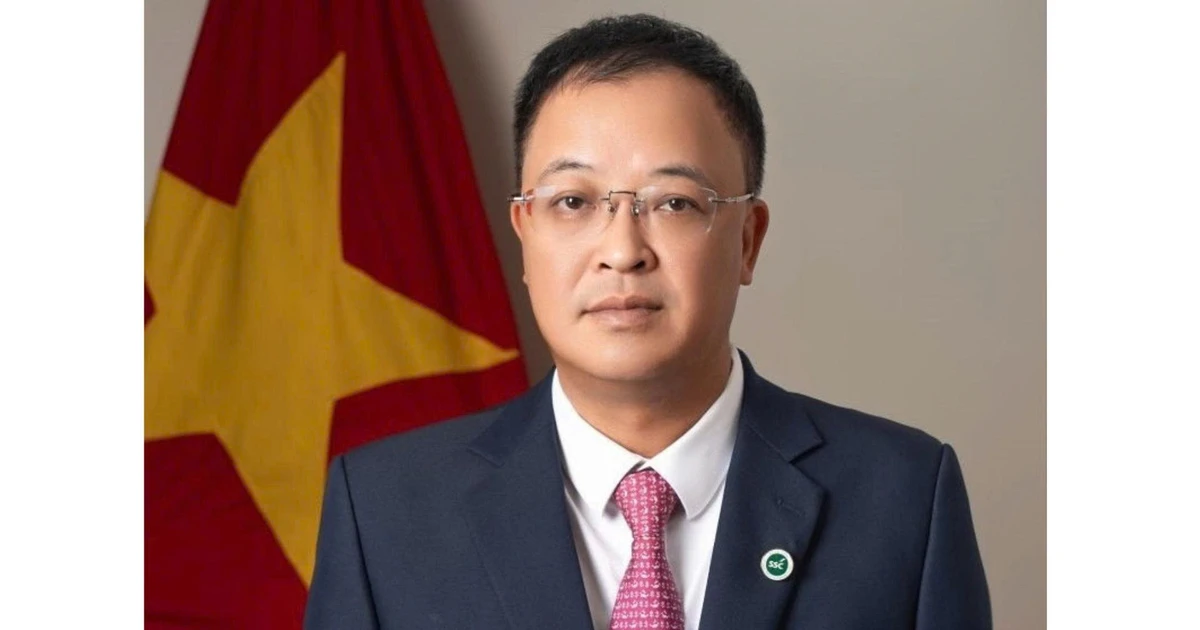
Vietnam's stock market has officially been upgraded to the FTSE Emerging Market index, moving from a frontier market to a secondary emerging market, effective September 21. This upgrade marks a strategic milestone, affirming Vietnam's enhanced position in global equity indices. However, Mr. Bui Hoang Hai, Vice Chairman of the State Securities Commission (SSC), stated, "The upgrade is merely the starting point. The actual scale of international capital attracted will largely depend on the market's inherent health and the transparency of its traded instruments." The SSC's objective is to build a professional, modern, and integrated capital market. FTSE Russell's inclusion of Vietnamese stocks into its global indices will occur in four phases. This approach was decided based on market conditions, liquidity, and investor consultations. This phased rollout aligns with Vietnam's goal to establish and operate a clearing and settlement (CCP) mechanism by early 2027. In the second phase of allocation in March 2027, the investment proportion for passive funds is set to double to 20%. Amidst significant global capital flow differentiation, regulatory bodies anticipate a substantial increase in absolute investment from foreign ETFs and other passive funds. The growing number of investors participating in emerging market passive funds globally suggests that the absolute capital inflow could exceed the 20% allocation. Ahead of FTSE Russell's portfolio rebalancing periods, the Vietnam Stock Exchange (VNX) has implemented stricter trading discipline regulations. Vice Chairman Hai emphasized that this enhanced supervision is crucial for building investor confidence, both domestic and foreign. Investors seek to invest in stocks that accurately reflect true company value, and market discipline is fundamental for continued market development. Maintaining the upgrade and translating it into substantial capital inflows presents further challenges. The regulatory authorities are actively seeking innovative policy mechanisms to address domestic "bottlenecks" such as foreign ownership limits (room ngoại), free-float ratios, and corporate governance standards. Currently, the SSC and the Ministry of Finance are working on implementing the CCP mechanism for the stock market and preparing for Over-The-Counter (OTA) transactions. They are also continuously reviewing and improving foreign ownership limits. Among the 27 Vietnamese stocks included in FTSE Russell's global indices, many large companies were not selected. Reasons include restrictions on foreign ownership limits and, in some cases, persistent foreign investment limitations despite companies no longer operating in regulated sectors. Additionally, low free-float ratios due to concentrated ownership make it difficult for foreign investors to access these stocks. Beyond ownership and accessibility, foreign investors also place high importance on improving corporate governance quality and transparency in information disclosure. Source: Nhan Dan
Original source
Nhan Dan