General articles are free for 24 hours after publish.
Anti-Financial Scam Law Boosts PH Fight Against Fraud, BSP Reports
The Bangko Sentral ng Pilipinas (BSP) reported that the Anti-Financial Account Scamming Act (AFASA), championed by Senator Mark Villar, has significantly boosted the government's campaign against online scams and financial fraud. The law enhances investigation capabilities and improves the prospects for victim recovery.
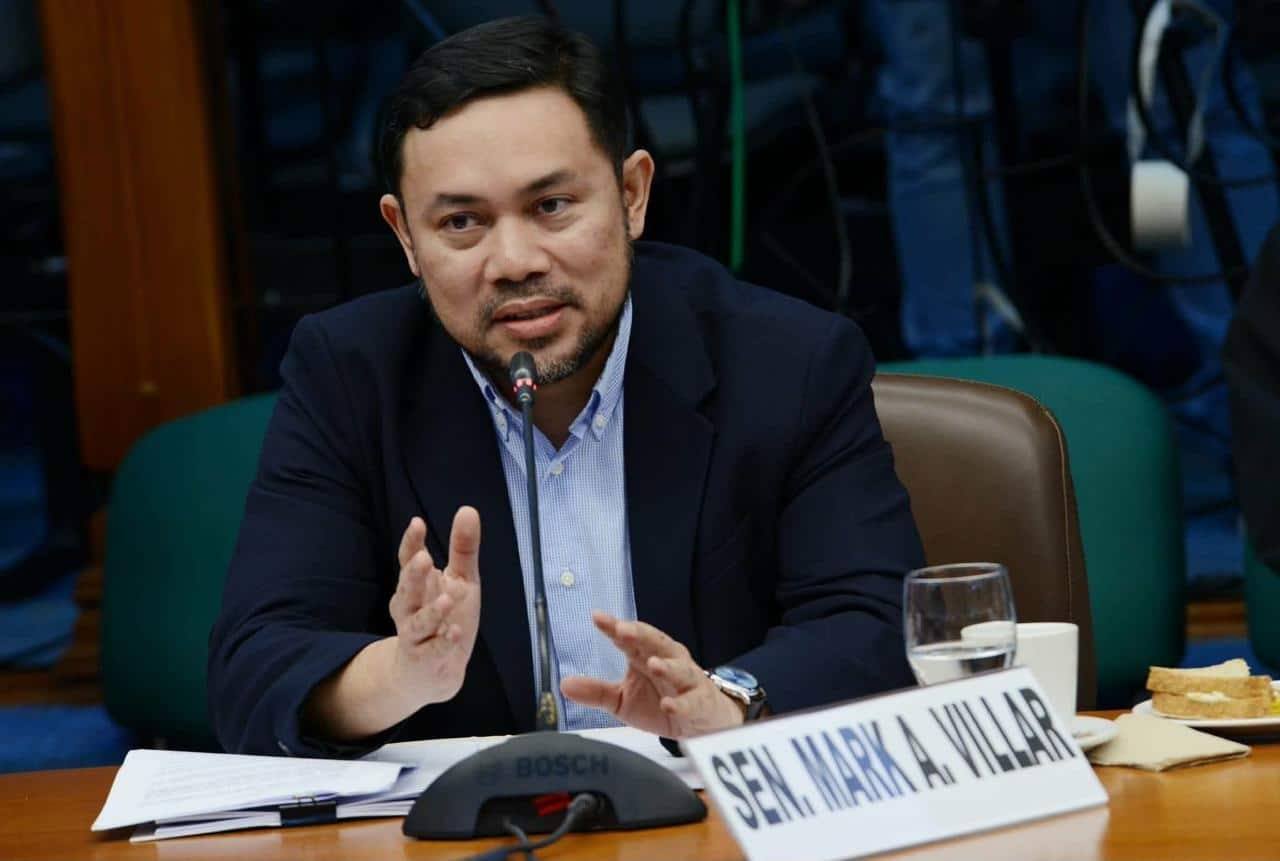
MANILA, Philippines — The Bangko Sentral ng Pilipinas (BSP) has reported that the Anti-Financial Account Scamming Act (AFASA), championed by Senator Mark Villar, has significantly boosted the government’s campaign against online scams and financial fraud. The law has strengthened the central bank’s ability to combat scams and fraud, particularly through the Consumer Account Protection Office (CAPO). Villar, who chairs the Senate Committee on Banks, Financial Institutions and Currencies, received an update on AFASA implementation from BSP general counsel Roberto L. Figueroa during a briefing on the proposed 2027 national budget. Figueroa told Villar that the law has considerably enhanced the investigation and filing of cases, while the possibility of victims recovering lost money has increased. "The data clearly show the concrete results of AFASA. It has strengthened the investigation and filing of cases, while the possibility of victims recovering the money they lost has increased," Villar stated, emphasizing the Senate's commitment to strengthening laws for public protection against financial scams. According to the report, the Philippine National Police Anti-Cybercrime Group recorded 527 AFASA-related cases in 2025, with 447 already solved or cleared. Authorities also noted a decline in online scam incidents during the first half of 2026, partly attributed to greater public awareness of fraudulent schemes. Figueroa also cited the December 2024 arrest by the National Bureau of Investigation of seven Chinese nationals allegedly involved in an online scamming operation in Parañaque City. The suspects faced charges including social engineering schemes penalized under AFASA. Under AFASA, the BSP possesses enhanced powers to examine financial accounts suspected of scam involvement without prior court orders. This allows for swift information sharing with law enforcement agencies to trace stolen funds, pursue fraudsters, and improve victims' chances of recovery. The CAPO has also entered into information-sharing agreements with entities like the Securities and Exchange Commission and the Cybercrime Investigation and Coordinating Center to bolster investigations and case build-up against financial fraudsters. Information Source: Inquirer Business
Original source
Inquirer Business