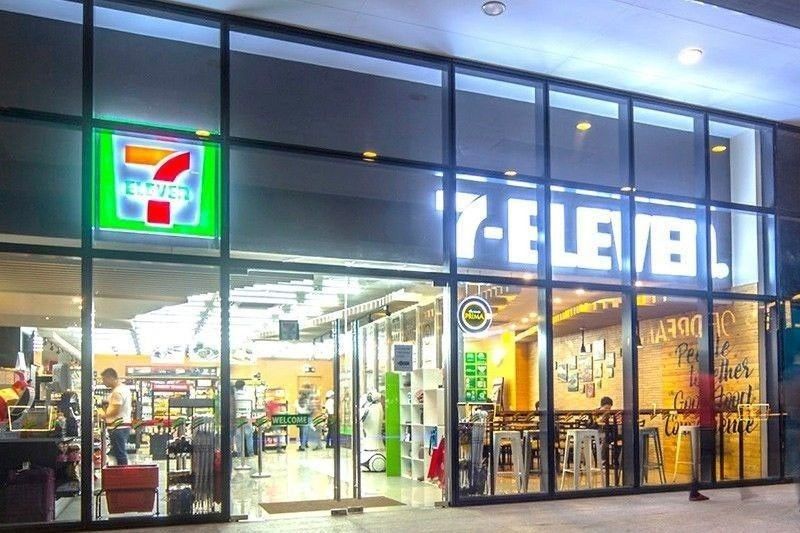
7-Eleven Philippines to Expand Digital Payment Channels
Philippine Seven Corp. (PSC), the local licensee of 7-Eleven, plans to expand its in-store digital payment channels across all its stores nationwide. Currently available in 98% of locations, digital payments account for 12% of sales, with the company aiming to enhance convenience and achieve sustainable growth.
MANILA, Philippines — Philippine Seven Corp. (PSC), the local licensee of convenience store giant 7-Eleven, plans to expand its in-store digital payment channels. In a media briefing, PSC president and CEO Richard Lee said the company is looking to expand digital payments and integrate them in all current and future 7-Eleven stores. He noted that 98 percent of their stores now carry digital payment methods, covering about 4,000 7-Eleven stores nationwide as of May. He added that 12 percent of the company’s sales come from digital payments. “Our focus now is on execution, opening the right stores, deepening how we serve customers and scaling the digital and payment capabilities we built. That is how we keep 7-Eleven the most convenient choice for Filipinos,” Lee said. The company last year rolled out its cashless payment methods in about 1,000 stores. The company said this would make transactions faster and more convenient, positioning PSC for long-term, sustainable growth “built on continued innovation.” Lee added that the company would be integrating Apple Pay in the future payment method in stores. Through its cashless payment method, 7-Eleven customers can now pay using credit and debit cards, QR Ph, e-wallets and other cashless methods. Meanwhile, Lee noted that the company remains on track in open about 500 stores nationwide. The company said earlier that it is looking to open an additional 400 stores nationwide by the end of the year, placing its total store count to 5,000. As of end-2025, the company operated 4,491 stores nationwide, of which 53.42 percent are company owned while 46.58 percent are franchised.
多角的分析
フィリピンにおけるデジタル決済の普及は、経済の非公式部門への影響や、金融包摂の促進という観点から重要である。セブンイレブンがデジタル決済を拡充することは、特に地方や低所得者層の金融サービスへのアクセスを向上させる可能性がある。これは、政府が推進するデジタル経済への移行とも連動しており、国内消費の活性化に寄与すると考えられる。売上の一部をデジタル決済が占めるという事実は、消費者の行動様式の変化と、それに対応する企業の適応能力を示している。
セブンイレブンのデジタル決済強化は、投資家にとって、同社が変化する消費者行動と技術革新に対応している証拠と映るだろう。キャッシュレス決済の拡大は、取引効率の向上、顧客データの収集・分析能力の強化、そして新たな収益機会の創出につながる可能性がある。Apple Payのような国際的な決済サービスの導入は、グローバルな基準への適合と、より広範な顧客層へのアピールを意図していると考えられる。これは、PSCの長期的な収益性と競争力に対する信頼を高める要因となる。
セブンイレブンがデジタル決済を拡充することは、フィリピン国内の消費者の利便性を大幅に向上させる。特に、現金を持ち歩く必要がなくなることで、盗難リスクの軽減や、よりスムーズな買い物が期待できる。また、電子ウォレットやQRコード決済の普及は、これまで銀行口座を持てなかった層や、デジタルリテラシーの低い層にとって、金融サービスへの第一歩となる可能性がある。これは、マニラ首都圏だけでなく、地方都市の住民にとっても、生活の質を向上させる一因となりうる。
セブンイレブンでのデジタル決済の拡充は、日々の生活における利便性を高める。特に、小銭のやり取りが不要になることで、レジでの待ち時間が短縮され、忙しい通勤・通学途中でも気軽に利用できるようになる。また、電子マネーやQRコード決済は、若年層を中心に普及が進んでおり、彼らにとってはより身近で使いやすい支払い方法となるだろう。一方で、デジタル決済に慣れていない高齢者層や、スマートフォンの利用が難しい人々にとっては、現金払いが引き続き重要であり、両方の選択肢が提供されることが望ましい。
背景・歴史的文脈
フィリピンでは、政府がデジタル経済への移行を推進しており、その一環としてキャッシュレス決済の普及を目指している。2022年には、フィリピン中央銀行(BSP)が「National Retail Payment System (NRPS)」を立ち上げ、QRコード決済の標準化などを進めてきた。セブンイレブンがデジタル決済を拡充することは、こうした政府の政策目標と合致する。過去には、フィリピン国内の金融包摂率が低く、多くの国民が銀行口座を持たない状況があったが、近年、電子ウォレットの普及により、金融サービスへのアクセスが改善されつつある。PSCの取り組みは、この流れをさらに加速させるものと言える。
原文ソース
Philstar Business