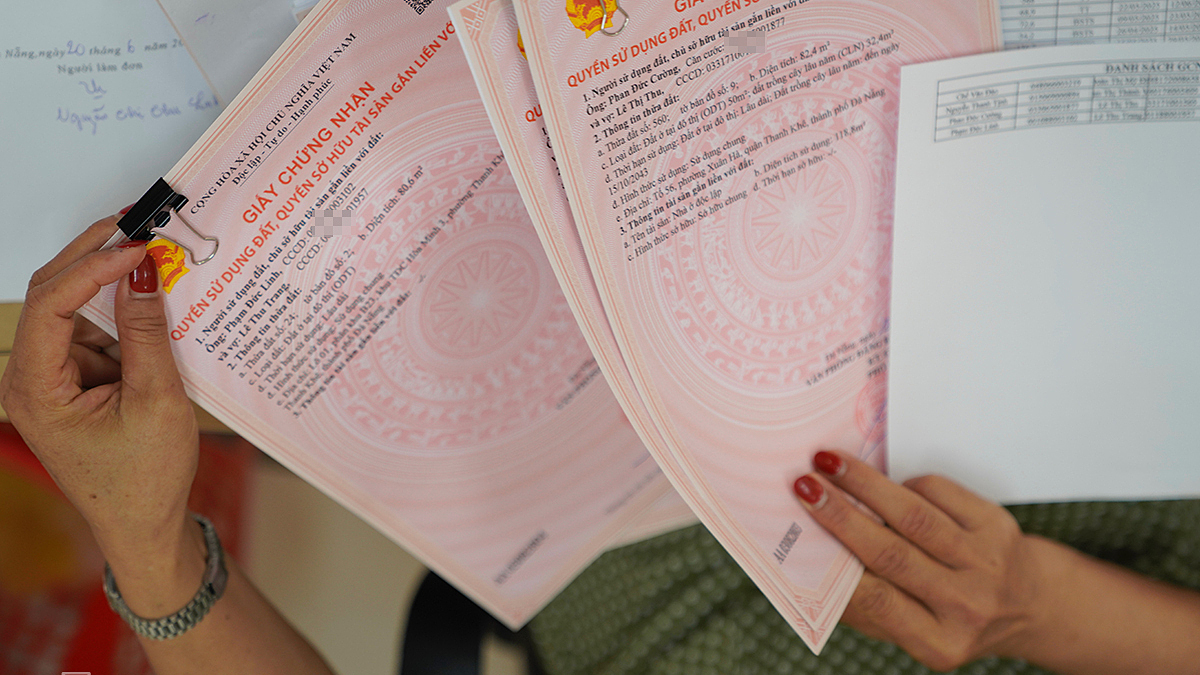
Vietnam Real Estate Deals: Discrepancies Between Property Status and Registration, Contract Validity Concerns
In Ho Chi Minh City, a potential buyer discovered discrepancies between a property's actual condition and its registered details, raising concerns about contract validity and deposit return. A lawyer explained that registered information often takes precedence, meaning such differences may not automatically invalidate a contract.
A potential buyer in Ho Chi Minh City is seeking to invalidate a deposit contract and recover their deposit due to discrepancies between the property's actual condition and its registered details. A lawyer has provided legal insights into the matter. The buyer had paid a deposit of VND 100 million (approximately $4,000 USD) for a property valued at VND 4 billion ($160,000 USD). After signing the deposit agreement, the buyer discovered that a portion of the second floor had been extended to include a balcony, which was not reflected in the property's official registration (Sổ đỏ). The seller had previously assured the buyer that the property was eligible for title transfer without any issues. According to Official Letter No. 11663/STNMT-VPĐK dated November 6, 2024, from the Ho Chi Minh City Department of Natural Resources and Environment, land registration offices will process title transfer applications based on the asset information recorded in the issued Certificate of Land Use Rights and Ownership of Property. Unless the owner requests to register changes to the property, the discrepancy between the actual condition and the certificate (e.g., additions or renovations) does not serve as a basis for refusing the title transfer procedure. Therefore, if legal conditions are met, the sale can proceed. The lawyer also noted that the seller provided both the certificate and allowed inspection of the property's condition before the deposit contract was signed, indicating no intent to conceal information or mislead the buyer. In real estate transactions, buyers also bear the responsibility of verifying the property's condition against its certificate before making a deposit. Based on the buyer's account, there are insufficient grounds to claim the seller acted fraudulently or to request the court to declare the deposit contract invalid solely due to the discrepancy between the property's current state and its certificate. If the buyer no longer wishes to proceed with the purchase, the most suitable solution is to negotiate with the seller for a mutual termination of the transaction and a return of the deposit. However, if the seller disagrees, under Article 328, Clause 2 of the Civil Code 2015, the buyer's refusal to proceed with the contract would result in the deposit being forfeited to the seller. This case highlights the potential risks for buyers in Vietnam's real estate market when actual property conditions do not align with official registration data. It underscores the importance of thorough due diligence by buyers, especially in urban areas where extensions and modifications are common.
多角的分析
ベトナムの不動産市場では、登記情報と現況の乖離は、特に都市部で頻繁に見られる現象である。これは、法制度の運用と現場の実態との間にタイムラグが生じていること、あるいは、小規模な増改築に対する規制の緩さを示唆している。このような不一致は、取引の透明性を損ない、所有権移転手続きにおける予期せぬ遅延や追加コストの発生リスクを高める。不動産取引の活発化に伴い、登記制度の厳格化と現場の実態との整合性を図るための行政努力が求められる。
不動産投資家にとって、登記簿上の情報と現況の不一致は、潜在的なリスク要因となる。名義変更手続きの遅延や、将来的な建物の増改築に関する法的問題に直面する可能性がある。特に、投資目的での購入の場合、物件の流動性や再販価値に影響を与えかねない。投資家は、契約前に専門家(弁護士や不動産鑑定士)による詳細なデューデリジェンスを行い、登記情報と現況の乖離の程度、およびその法的・経済的影響を十分に評価する必要がある。
ホーチミン市のような急速に都市化が進む地域では、建物の増改築が日常的に行われている。この事例は、法的な登記情報が常に最新の物理的状況を反映しているとは限らないという社会的な現実を示している。購入希望者であるNhã Uyên氏のような一般市民は、複雑な不動産取引のプロセスにおいて、しばしば情報格差や不確実性に直面する。売主が当初「問題ない」と断言したにもかかわらず、現況と登記の不一致が発覚したことは、市民が取引において直面する困難さと、より明確で透明性の高い情報提供の必要性を浮き彫りにしている。
ベトナムの一般市民、特に都市部で不動産を購入しようとする人々にとって、登記簿(Sổ đỏ)と実際の物件の状態との間に乖離があることは、しばしば頭痛の種となる。この事例の相談者であるNhã Uyên氏のように、数千万円にも及ぶ高額な取引において、手付金を支払った後にこのような問題に気づくことは、大きな不安と経済的リスクを伴う。売主が「登記上問題ない」と断言しても、実際には増築部分が未登記であるといったケースは珍しくなく、これが将来的な名義変更手続きの障害とならないか、あるいは契約解除の理由となりうるのか、市民は常に疑念を抱かざるを得ない。こうした状況は、不動産取引における情報非対称性を浮き彫りにし、一般市民がより安全かつ安心して取引を行うための、より明確な法的ガイダンスや行政の監督強化を求めている。
背景・歴史的文脈
ベトナムでは、1986年のドイモイ政策以降、市場経済化が進み、不動産取引が活発化した。しかし、法制度の整備が追いつかず、特に都市部では建物の増改築が頻繁に行われる一方で、登記情報の更新が遅れるケースが散見される。これは、土地所有権の概念が社会主義的な計画経済から市場経済へと移行する過渡期における、法制度と現場の実態との乖離として現れている。2013年の土地法改正など、法整備は進められているものの、登記手続きの複雑さや、一部の行政手続きにおける不透明性が、こうした問題の温床となっている。本件は、こうしたベトナムの不動産市場における長年の課題の一端を示している。
原文ソース
VnExpress