QR Ph Dominates PayMongo Payments, Surpassing Cards and E-wallets
Business
2026年7月3日
4
Philstar Business

QR Ph Dominates PayMongo Payments, Surpassing Cards and E-wallets

AI サマリー

QR Ph has emerged as the leading payment channel on the Philippines' PayMongo platform in the first half of 2026, significantly outpacing cards and e-wallets. This shift highlights the growing preference for mobile payments, particularly among small and medium-sized businesses.

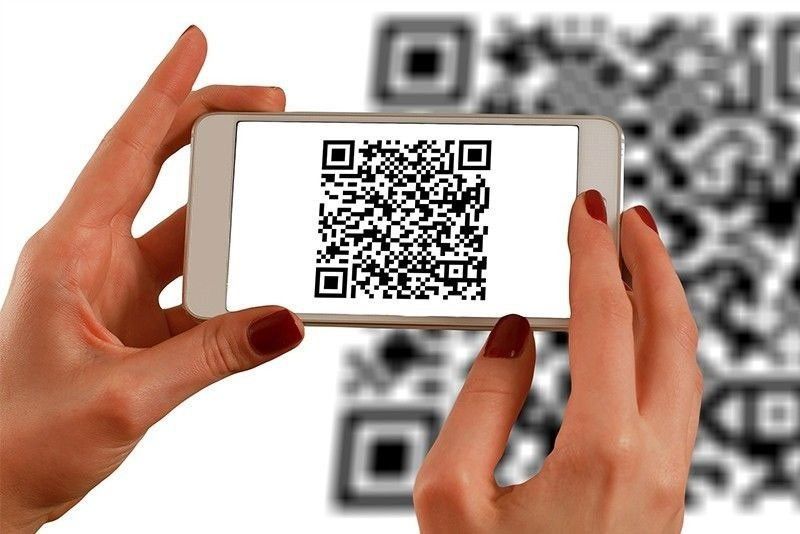
MANILA, Philippines — QR Ph has overtaken cards and e-wallets as the top payment channel among businesses using PayMongo, as more Filipino merchants shifted to mobile-native payment methods from January to June 2026. Data from PayMongo Group showed that QR Ph accounted for 55 percent of all payment volume on its platform during the six-month period, up sharply from 16 percent in the same period last year. This represented a year-on-year growth of more than 510 percent. The fintech firm said the shift marked a major turnaround from 2025, when cards led the platform with a 38-percent share of payment volume. Cards fell to 19 percent this year and declined by eight percent in absolute volume, while e-wallets dropped to 21 percent from 35 percent. Direct online banking also weakened, with its share falling to four percent from 10 percent. PayMongo said online banking volume declined by 26 percent year-on-year. Other payment methods, including buy-now, pay-later options, accounted for less than five percent of payment volume. Overall, PayMongo processed nearly 10 million completed transactions in the first half of 2026, up by 89 percent from almost 5.2 million transactions in the same period last year. Its active merchant base also grew by 93 percent. “QR Ph and e-wallets combined account for 76 percent of total payment volume and nine in 10 transactions, a signal that Filipino merchants are becoming mobile-first,” PayMongo said in its report. The company said the rise of QR Ph reflected the growing preference among small businesses and consumers for simple, interoperable payment options. QR Ph allows merchants to accept payments from participating banks and e-wallets using a single QR code, reducing the need to manage several terminals or apps. Despite the decline in share, cards remained relevant for larger purchases. PayMongo said card payments accounted for only seven percent of all transactions, even as they made up 19 percent of payment volume, indicating that cards are still commonly used for high-ticket purchases, corporate expenses and one-time large payments. By contrast, everyday payments such as sari-sari store top-ups, food delivery orders and utility bills have increasingly moved to QR and wallet-based channels, the company said. PayMongo also noted stronger demand from merchants that do not have dedicated technical teams. Shopify merchants using the platform grew by 18 percent year-on-year, while their payment volume rose by six percent. Its no-code product, PayMongo Pages, also allowed merchants to collect almost P1 billion in payments without building their own checkout systems. The shift was also visible in physical stores, with merchants using PayMongo’s in-store QR Ph product more than doubling from a year earlier. In-store QR Ph transactions more than tripled, extending the same QR infrastructure used in online commerce to retail shops, food businesses and service providers. PayMongo said its data covered internal transaction records in the Philippines from January to June 2026, compared with the same period in 2025.

多角的分析

経済的影響

フィリピンにおける決済手段の急速なデジタル化は、金融包摂の拡大と経済活動の効率化に寄与している。QR Phの普及は、特に中小企業(SMEs)にとって、低コストかつ迅速な決済ソリューションの提供を意味し、これまでのカード決済や現金依存からの脱却を促している。PayMongoのようなフィンテック企業の成長は、国内のキャッシュレス化推進政策とも連動しており、デジタル経済への移行を加速させる要因となっている。一方で、オンラインバンキングのシェア低下は、一部のユーザー層がより手軽なモバイル決済へ移行した結果とも考えられるが、金融システム全体の多様性と安定性の観点からは、各決済手段のバランスが重要となる。

投資家心理

フィリピンの決済市場におけるQR Phの急成長は、フィンテック分野への投資機会を示唆している。PayMongoのようなプラットフォーム企業は、加盟店基盤の拡大と取引量の増加により、収益性の向上が期待できる。投資家は、QRコード決済インフラの普及、モバイルウォレットの利用拡大、そしてそれらを支える技術開発に注目すべきである。特に、中小企業や個人事業主をターゲットとしたサービスは、フィリピン経済の成長ドライバーであり、高い成長ポテンシャルを秘めている。ただし、競争の激化や規制の変更リスクも考慮する必要がある。

社会的影響

決済手段のシフトは、フィリピン市民の日常生活に直接的な影響を与えている。特に、地方や低所得者層にとって、QRコード決済は銀行口座を持たなくても金融サービスにアクセスできる機会を広げる。例えば、地方の小さな商店(sari-sari store)での少額決済や、フードデリバリーの利用が容易になることで、生活の利便性が向上する。しかし、スマートフォンの普及率やデータ通信料、デジタルリテラシーの格差が、この恩恵を受けられない層を生み出す可能性もある。また、オンラインバンキングの利用者が減少することは、より複雑な金融取引を行う層の行動変化も示唆している。

市民の声

QR Ph決済の普及は、フィリピンの市民、特に小規模事業を営む人々や日常的に少額決済を行う人々にとって、大きな恩恵をもたらしている。これまで現金を持ち歩く必要があったり、複数の決済端末を管理したりする手間が省け、よりシンプルで迅速な取引が可能になった。例えば、フードデリバリーの注文や、近所の商店での買い物などが、スマートフォン一つで完結するようになる。これは、特に都市部以外や、デジタルインフラへのアクセスが限られていた地域の人々にとって、生活の質を向上させる可能性がある。一方で、スマートフォンを持たない人々や、オンライン決済に慣れていない高齢者層など、デジタルデバイド(情報格差)による取り残される人々への配慮も、公共の課題として重要視されるべきである。

背景・歴史的文脈

フィリピンでは、政府がデジタル経済への移行を推進しており、その一環としてキャッシュレス決済の普及が奨励されてきた。特に、2020年以降のパンデミックは、非接触型決済への需要を加速させた。QR Phは、Bangko Sentral ng Pilipinas(BSP、フィリピン中央銀行)が主導するNational Retail Payment System(NRPS)の一環として導入され、異なる金融機関や電子マネー間で相互運用可能な決済システムを構築することを目指している。これにより、これまで現金に依存していた中小企業や地方の商取引におけるデジタル化が進み、金融包摂の拡大が期待されている。PayMongoのようなフィンテック企業は、この政策の流れに乗り、急速に加盟店と利用者を拡大させている。

原文ソース

Philstar Business

原文を読む