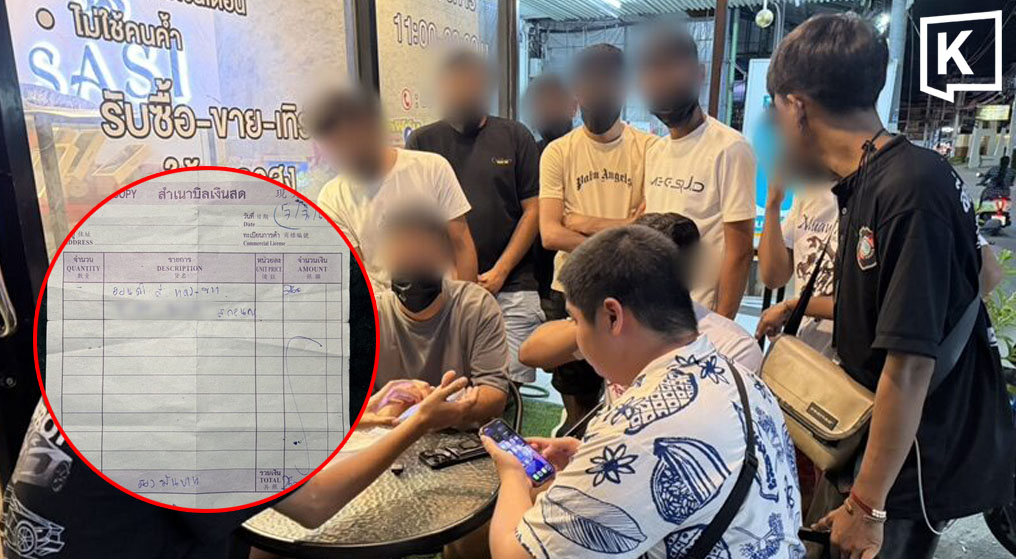
Kuwaiti Tourists Allege Extortion by Pattaya Police
A group of Kuwaiti tourists visiting Pattaya has alleged extortion by uniformed police officers during traffic violation fines. They claim they were forced to pay cash in secluded locations, with official procedures denied, and are calling for an official investigation.
CHONBURI — 15 July 2026, A group of Kuwaiti tourists has alleged that, during their month-long holiday in Pattaya, they were extorted by uniformed police officers after being apprehended for traffic violations, claiming they were forced to pay large cash fines at secluded locations, denied requests to pay at a police station, and issued what they later discovered were grocery receipts. They described the officers’ conduct as “scarier than criminals.” The Kuwaiti tourists, aged between 20 and 30, reported that they had travelled to Pattaya several times over the past month and acknowledged committing traffic infractions. They said they had no objection to being fined through proper legal procedures. However, they became suspicious of extortion after they showed a cash receipt previously issued to them by officers to prove they had already been fined. The police allegedly rejected it, claiming it was fake and not an official police station receipt. Despite this, they said they were subsequently apprehended multiple times and repeatedly issued the exact same type of unofficial receipt. Furthermore, the officers allegedly insisted that they pay in cash only. What was even more shocking, they said, was that they were taken to isolated locations to be fined, while the officers refused their requests to pay at a police station. Consequently, the group decided to expose the matter to reporters, providing journalists with videos secretly recorded during some of the encounters, along with the cash receipts as evidence. Speaking through an interpreter, the tourists said they had travelled to Pattaya several times before. For this year’s holiday, they travelled as usual, fully aware of the local traffic laws while riding motorcycles. They reiterated that if they were prosecuted properly according to the law, they would accept responsibility for breaking it. According to the group, the circumstances surrounding their repeated apprehensions were unclear, particularly regarding the formal offences they were alleged to have committed. They said they were fined between 3,500 and 5,000 baht per offence and were stopped between two and five times on some nights. After being stopped, they were taken to secluded areas. If they wished to avoid having their motorcycles impounded, an unidentified man collected the fines in cash while uniformed police officers stood nearby. They alleged that cash was the only accepted method of payment. What further raised their suspicions was that when they requested to pay the fine at a police station, they were refused. Instead, they were told they would have to pay at a vehicle impound facility in the Pattaya area—a location they could not later identify. They were allegedly told they would also have to pay towing and storage fees in cash, with bank transfers not accepted. If the tourists requested a receipt, they were allegedly charged an additional 500 baht to obtain one. They said they were issued receipts resembling those commonly used by small retail shops, detailing the alleged offence and fine amount. When they later showed the receipts to other police officers, they were reportedly told the documents were fake. One tourist said the group continued to be stopped and fined because they were uncertain how to challenge the process. In one incident following a minor motorcycle collision, they alleged the same officers again demanded payment under similar circumstances despite them not understanding what offence they had committed. The tourists said that, having visited Thailand—particularly Pattaya—many times before, they had always regarded the city as a safe destination with effective law enforcement. However, they claimed their experiences this year changed after encountering this group of police officers, who allegedly rotated shifts to stop and fine them every night after midnight, repeating the same pattern of behaviour each time. The tourists expressed deep sadness and disappointment, saying they had become more afraid of encountering police officers than criminals. “We don’t want this to damage the city’s image,” the group said, adding that they hoped Pattaya would remain the welcoming destination it once was. Following the incidents, the tourists decided to bring the matter to the media so it could be brought to the attention of local commanders and senior police officials. They said they hoped the allegations would be thoroughly investigated and that strict action would be taken if any misconduct was found, ensuring transparency for both the public and visiting tourists. In addition, the Kuwaiti tourists released video clips they secretly recorded during negotiations with an individual who claimed to process fines on behalf of the police officers and who allegedly demanded the additional fee in exchange for issuing the grocery-style receipt. The post Kuwaiti tourists allege extortion by Pattaya police appeared first on Khaosod English.
多角的分析
外国人観光客からの恐喝疑惑は、タイの観光収入に直接的な悪影響を与える可能性がある。特にパタヤのような観光地では、治安への懸念が高まることで、将来的な観光客数の減少や、消費支出の低下を招く恐れがある。これは、タイ経済にとって重要な柱である観光業の回復を遅らせる要因となりうる。
このような治安への懸念は、タイへの投資リスクを高める。特に、観光関連産業や、外国人居住者の多い地域への投資は慎重になるだろう。投資家は、タイ政府による迅速かつ透明性のある対応、および再発防止策を注視することになる。信頼回復が遅れれば、資本流出のリスクも無視できない。
今回の件は、外国人観光客がタイの法執行機関に対して抱く信頼を大きく損なうものである。パタヤのような国際的な観光地において、一部の警官による不正行為は、タイ全体の治安イメージを悪化させ、他の善良な市民や警官への不信感にも繋がりかねない。特に、旅行者は異国の地で法の手続きに不慣れなため、このような経験は深刻な不安と恐怖を与える。
今回の事態は、タイ国民全体にとっても、法執行機関への信頼に関わる問題である。一部の警官による不正行為は、国民が安心して暮らせる社会の基盤を揺るがす。市民は、警察が国民と観光客双方に対して公平かつ公正に職務を遂行することを期待しており、このような疑惑は、市民の警察に対する見方を悪化させる可能性がある。
背景・歴史的文脈
タイにおける外国人観光客への不正行為の報告は、過去にも散見される。特に観光地では、法的手続きの不慣れさや言語の壁を利用した金銭の要求などが問題視されてきた。2023年には、タイ政府が観光客の安全確保を強化する方針を打ち出し、警察に対しても不正行為の根絶を求めていた。今回のパタヤでの事件は、こうした取り組みの進捗に疑問を投げかけるものであり、一部の警察官による不法行為が、タイの観光立国としてのイメージに深刻な影響を与える可能性を示唆している。
原文ソース
Khaosod English