Mondulkiri Elephant Project: Balancing Sustainable Tourism and Animal Welfare
The Mondulkiri Elephant Project in Cambodia is establishing a sustainable tourism model that supports the care of rescued elephants and provides livelihoods for local communities. It ensures elephants live freely while offering educational experiences to visitors.
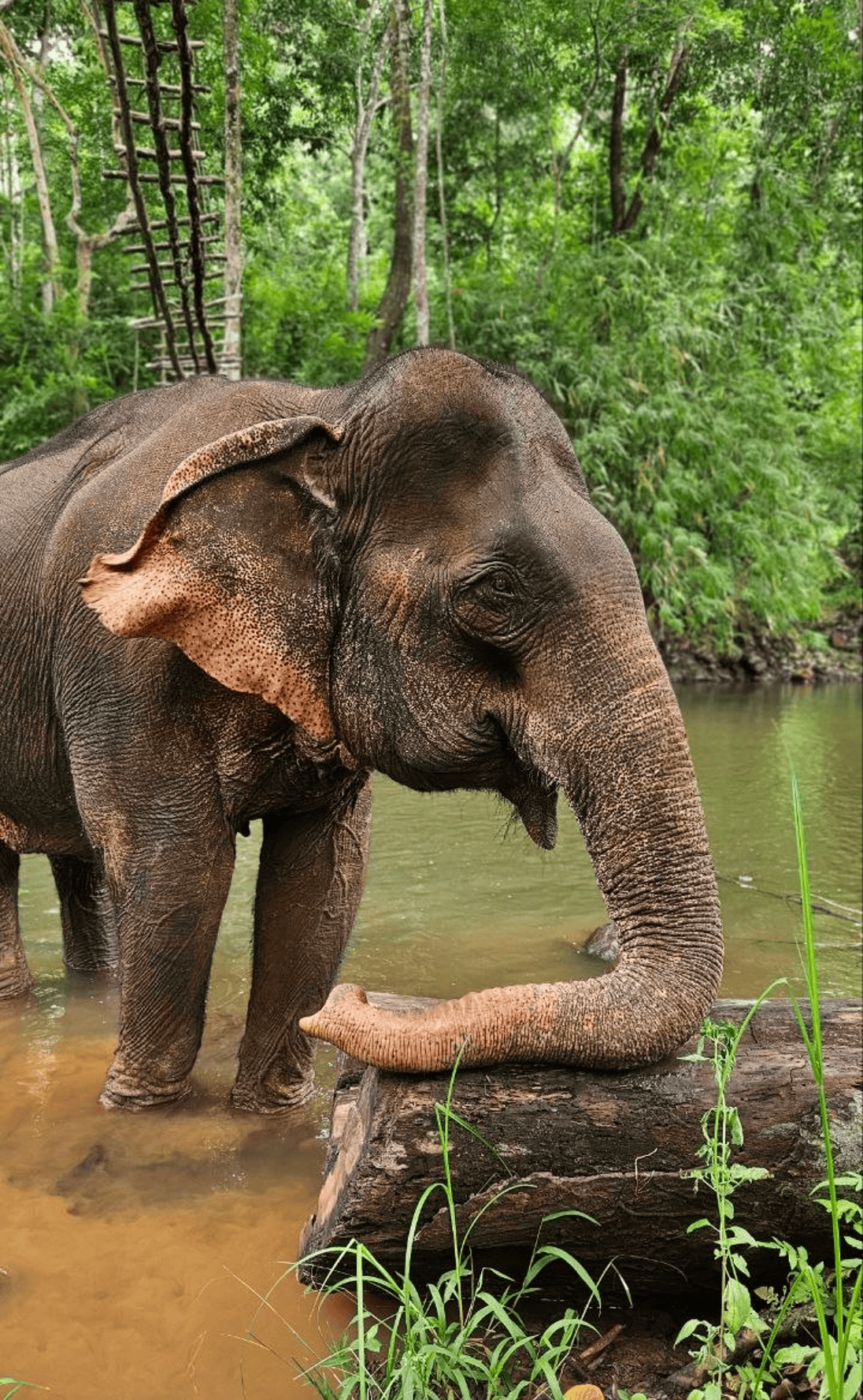
I’ve travelled to many places over the years. Like most travellers, I’ve admired breathtaking landscapes, enjoyed authentic foods and taken home countless photographs. Yet if you asked me today about some of those trips, I might struggle to remember more than, “It was beautiful, we did so much”. Somewhere along the way, I realised I wanted my journeys to leave me with something more than pictures. That’s why I learned travelling with purpose. Instead of asking, “What should I see here?” I began asking, “Who can I meet there? How can my visit make a small positive difference?” That question led me to a quiet forest in Mondulkiri and to three elephants who quietly changed the way I think about travel. The Mondulkiri Elephant Project is run by a dedicated local Cambodian team whose work goes far beyond creating a memorable visitor experience. Every visit helps support the care of rescued elephants while providing sustainable livelihoods for the people who protect them. Rather than treating wildlife as entertainment, the project allows elephants to live as elephants should — free to roam, rest and choose whether they wish to interact with visitors. Before we entered the forest, our guide shared not only the history of the elephants, but also the challenges of protecting them. His knowledge didn’t come from textbooks. It came from years spent walking these forests, observing each elephant’s personality and earning their trust. Listening to him, I realised that supporting local tourism isn’t only about where we spend our money. It’s about recognising the people whose dedication keeps these places alive. Then it was time to meet Happy. Happy Our first encounter was with Happy, a 45-year-old elephant whose story was both heartbreaking and inspiring. Happy was forced to haul enormous logs through the jungle, often under the cover of darkness because illegal logging couldn’t happen during the day. The relentless workload eventually broke her right shoulder. When rescuers found her, she was severely malnourished, little more than skin and bones, and so weak that even the veterinarians weren’t sure she would survive. Today, Happy lives freely in the forest. To meet her, we had to hike through the forest carrying bananas as treats. Then, almost magically, she appeared. The moment she spotted us, she started walking — almost running — towards us. She knew exactly what we were carrying. Standing beside such a magnificent animal was humbling. Despite everything humans had done to her, Happy remained incredibly gentle. She accepted our bananas with surprising delicacy, allowed us to stroke her trunk, and wandered peacefully around us as though we were simply visitors in her home. One moment made everyone smile. Out of thousands of trees in the forest, Happy walked straight to one particular tree to scratch her back. Years of rubbing against it had worn away much of the bark and stained it with Mondulkiri’s distinctive red earth. It was obviously her favourite scratching tree. Then, as if to remind us how intelligent elephants are, she picked up a dry branch with her trunk and used it to scratch herself even more. As I watched her, I couldn’t stop thinking about everything she had been through. She had every reason to keep her distance from people. Instead, she walked towards us with curiosity, gently taking bananas from our hands. That moment stayed with me. Sometimes we think we’re the ones helping rescued animals by visiting places like this. Standing next to Happy, I realised she was the one teaching me something—that healing is possible, and that trust, once lost, can slowly be rebuilt. Watching her simply live as an elephant, free to roam the forest on her own terms, felt like witnessing freedom itself. Princess and Comvine Later, we crossed a small stream to find the other two elephants. Princess is believed to be around 80 years old and is completely blind. According to the project team, she spent many years carrying tourists with little opportunity for proper rest or care. Over time, she lost her eyesight and now relies on the support of another elephant to help her move safely through the forest. That elephant is Comvine. Comvine is 38 years old. She was taken away from her mother when she was still very young and forced to work before she had the chance to simply be an elephant. Today, however, she has found something she had been missing all her life. A family. She rarely leaves Princess’s side. When we first met Comvine, she happily accepted a banana before suddenly tapping the ground twice with her trunk. I remember looking at our guide, wondering what she was doing. A few moments later, Princess slowly emerged from the trees. Only then did I understand. Comvine wasn’t calling for more food. She was calling for Princess. She was letting her know exactly where she was. Watching Princess slowly walk towards the sound of her companion was one of the most touching moments of the day. Throughout our time together, Comvine stayed close, quietly guiding Princess through the forest, across streams and along narrow trails. Princess followed with complete trust. I couldn’t help but smile. They weren’t together because anyone had trained them to be. They had chosen each other.After everything they had lost, they had found comfort, safety and companionship in one another. Travel often introduces us to remarkable places. That day, it introduced me to one of the most beautiful friendships I have ever witnessed. More Than Just an Elephant Experience After our morning walk, we returned to base camp for lunch. The meal was simple: a local-style meat soup, stir-fried vegetables and steamed rice. Nothing fancy, yet it was one of those meals that simply tasted good after a morning in the forest. Maybe it was the fresh air, or maybe food always tastes better when it’s cooked with care. After lunch, we rested in hammocks overlooking the valleys and mountains of Mondulkiri. The cool breeze was so gentle that many of us drifted off to sleep. When we woke up, freshly brewed local coffee was waiting for us. It wasn’t the strongest coffee I’ve ever had, but sitting there with a warm cup in my hands, looking out over the forest, it felt perfect. Later that afternoon, we walked to a nearby waterfall. Before we left, our guide reminded us of one important rule. The elephants would decide whether they wanted to join us. Nothing would ever be forced. I smiled because that simple sentence captured everything this project stood for. We stepped into the cool water, hoping the elephants might come. A few minutes later, we heard footsteps behind us. Comvine and Princess appeared. Or perhaps, more truthfully… they had come looking for more bananas. Our guide laughed, reached into his bag and pulled out a few extra treats. Soon we were feeding them while gently splashing water over their backs. They stood beside us, enjoying the cool water, and for a litt
多角的分析
モン・ドゥルキル象保護プロジェクトは、保護活動の資金源として観光収入に依存しており、持続可能な観光モデルの成功が象の長期的なケアと地域経済の安定に直結する。訪問者数や消費支出が直接的に保護活動の質と地域住民の雇用機会に影響を与えるため、プロジェクトの収益性は地域経済にとって重要な要素となる。
このプロジェクトは、伝統的な投資対象とは異なるが、社会的投資(SI)やインパクト投資の観点からは魅力的である。投資家は、財務的リターンだけでなく、象の保護と地域社会への貢献という社会的リターンを重視する。プロジェクトの透明性、運営効率、そして象の福祉と地域経済への具体的な貢献度を示すデータが、投資判断の鍵となる。
このプロジェクトは、元々労働力として酷使され、心身に傷を負った象たちに尊厳ある生活を取り戻す場を提供している。訪問者は、象の過去の苦難と現在の回復の姿を目の当たりにすることで、動物福祉の重要性を学び、倫理的な消費行動への意識を高める。また、地域住民が象の保護者として生計を立てられることは、伝統的な生活様式と現代の保護活動を結びつける役割を果たしている。
モン・ドゥルキル州の地元住民にとって、このプロジェクトは象の保護という環境保全活動に直接関わりながら、安定した収入を得る機会を提供する。特に、象の世話やガイドとして働く人々は、自身の文化遺産である象を守りながら、家族を養うことができる。訪問者からの収入は、地域社会全体の経済活性化にも寄与する可能性がある。
背景・歴史的文脈
カンボジアでは、象は伝統的に労働力として利用されてきたが、近年、過酷な労働や密猟によりその数が減少し、福祉が問題視されている。モン・ドゥルキル州は象の生息地として知られ、保護活動の拠点となっている。このプロジェクトは、こうした背景の中、動物福祉の向上と、象の利用による地域経済への貢献を両立させる新たなモデルとして2010年代初頭に設立された。
原文ソース
Phnom Penh Post