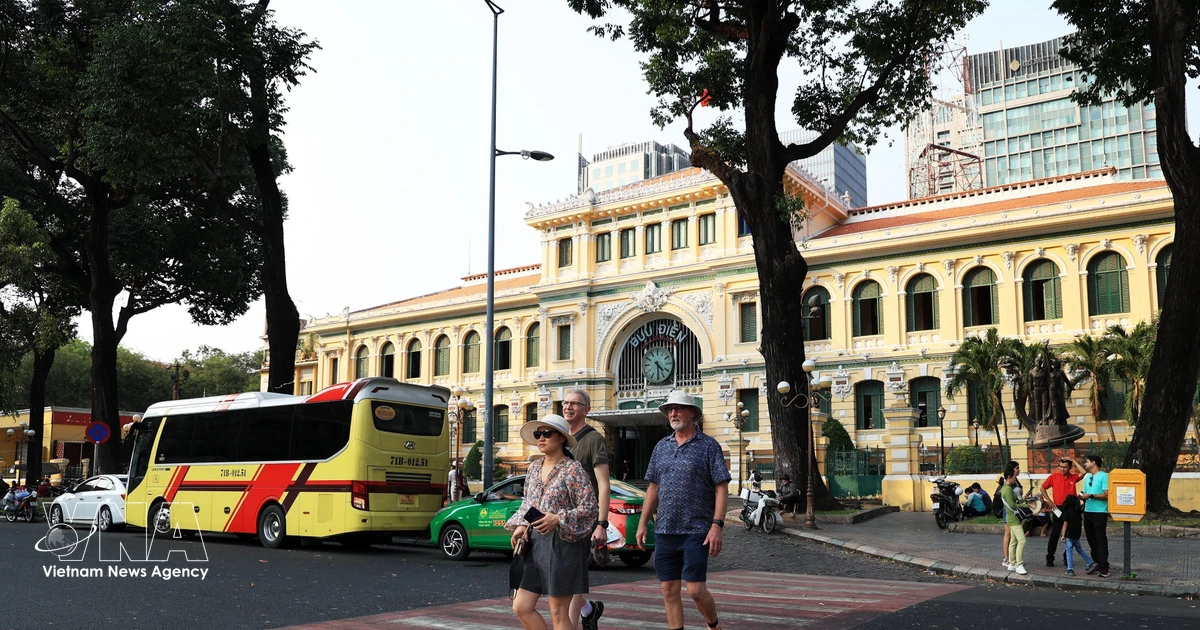
Vietnam Tourism Sees Record Arrivals in First Five Months
Vietnam welcomed a record 10.6 million international visitors in the first five months of the year, driving growth in its tourism sector. Enhancing service quality and digital transformation are key to strengthening international competitiveness.
Vietnam welcomed a record 10.6 million international visitors in the first five months of the year, signaling a robust recovery and growth for its tourism industry. This figure underscores the steady progress in post-pandemic tourism. Vietnam's tourism sector is showing a remarkable bright spot amidst global challenges, including geopolitical tensions and slowing economic growth. Enhancing service quality, improving workforce skills, and accelerating digital transformation are identified as crucial for boosting Vietnam's international tourism competitiveness. Data from online booking platform Agoda indicates that Ho Chi Minh City recorded the highest growth in searches from Thailand, at 134%, followed by Da Nang with a 58% increase. This suggests Vietnam is becoming an attractive destination for travelers from neighboring Southeast Asian countries. Vietnam's appeal extends beyond its vast coastline with hundreds of beaches, secluded bays surrounded by lush mountains, and rich natural landscapes. Paris Match highlights that Vietnam's unique combination of nature, history, cultural heritage, and local life offers travelers authentic experiences, making it an increasingly attractive country for international visitors. Culinary experiences are also a significant driver of Vietnamese tourism. According to Biba Magazine, Vietnam's regional culinary diversity, fresh ingredients, and refined cooking techniques elevate its food scene far beyond iconic dishes like pho and spring rolls, making it one of the country's most memorable attractions for international visitors. At the WTO Open Day 2026 in Geneva, Vietnam's pavilion drew crowds, with authentic Vietnamese cuisine captivating many, inspiring future visits. In recent years, Phu Quoc Island has emerged as a representative destination with the development of infrastructure, hospitality, and international cooperation projects, preparing for APEC 2027. The island saw visitor numbers surge from around 1.45 million in 2016 to over 8.1 million in 2025. Similarly, Sa Pa welcomed around 4.3 million visitors in 2025, with tourism revenue increasing more than elevenfold compared to the period before synchronized investment. Indian arrivals to Vietnam have also surged sharply, from approximately 100,000 before 2016 to 750,000 in 2025, a 4.5-fold increase from 2019, boosted by expanding direct air routes. Affordable hotels, direct flights, easy visa processes, and breathtaking landscapes are making Vietnam one of the most sought-after international destinations for Indian travelers seeking value and unforgettable experiences. With strong growth momentum, strategic investment in quality tourism, upgraded infrastructure, and increasingly diversified source markets, Vietnam is steadily reinforcing its position as one of Southeast Asia’s most dynamic and promising tourism destinations. Copyright, VietnamPlus, Vietnam News Agency (VNA)
多角的分析
ベトナムの観光産業は、パンデミックからの回復期において、外貨獲得と雇用創出の重要な源泉となっています。今回の過去最高記録は、サービス業全体の回復を牽引し、GDP成長に貢献する可能性を示唆しています。特に、デジタル化の推進は、顧客体験の向上だけでなく、運営効率の改善にも繋がり、持続的な成長基盤を強化すると考えられます。ただし、インバウンド需要の変動リスクや、地域間の開発格差の拡大は、今後の経済政策において注視すべき点です。
ベトナムの観光セクターへの投資は、高い成長ポテンシャルを秘めています。特に、インフラ整備が進むフーコック島や、都市型観光で回復を見せるホーチミン市、ダナンなどは、不動産開発、ホスピタリティ、航空関連企業にとって魅力的な投資先となり得ます。しかし、投資家は、急速な開発に伴う環境への影響や、地域社会との調和、そして国際情勢の変動による旅行需要への影響を慎重に評価する必要があります。多様な観光市場の開拓は、リスク分散の観点からも重要です。
観光客の急増は、地方経済の活性化に貢献する一方、地域社会への影響も無視できません。例えば、フーコック島のような急速な開発が進む地域では、土地利用の変化や、地域住民の生活環境への影響が懸念されます。また、「全てのフーコック島民が観光大使」といったキャンペーンは、地域住民の観光への関与を促す一方で、サービス提供の質やホスピタリティの維持・向上における住民の負担増も考えられます。観光客と地域住民の間の摩擦を最小限に抑え、持続可能な観光を実現するためには、地域社会の意見を反映した開発計画が不可欠です。
ベトナム国民にとって、観光客の増加は、直接的・間接的な雇用機会の創出や、地域経済の活性化という恩恵をもたらします。特に、都市部や観光地では、ホテル、レストラン、交通サービスなどの分野で新たな職が生まれています。しかし、観光客の集中は、交通渋滞の悪化や、物価の上昇を招く可能性もあります。また、一部の地域では、開発による環境の変化や、地域文化への影響を懸念する声も聞かれます。政府は、国民生活への影響を最小限に抑えつつ、観光の恩恵を広く分配する政策を講じる必要があります。
背景・歴史的文脈
ベトナムの観光産業は、ドイモイ政策(刷新)以降、経済開放とともに発展してきました。特に、2010年代以降、インフラ投資の増加、ビザ緩和、航空便の拡充により、国際的な知名度と訪問者数を着実に伸ばしてきました。パンデミックにより一時的に停滞しましたが、2022年以降、政府の積極的な観光振興策と世界的な旅行需要の回復により、急速に持ち直しています。今回の記録的な訪越客数は、ベトナムが国際観光市場において、単なる旅行先から、体験型観光や文化交流のハブとしての地位を確立しつつあることを示唆しています。
原文ソース
VietnamPlus English