Cambodia Faces Deepening Doctor Shortage as Physicians Decline Permanent Posts
Health
2026年7月15日
5
Phnom Penh Post
Relations
🇰🇭Cambodia🇲🇾Malaysia

Cambodia Faces Deepening Doctor Shortage as Physicians Decline Permanent Posts

AI サマリー

A growing number of contract doctors in Cambodia are declining offers for permanent positions, creating a critical crisis for the nation's healthcare system. Experts warn this trend poses an "existential threat."

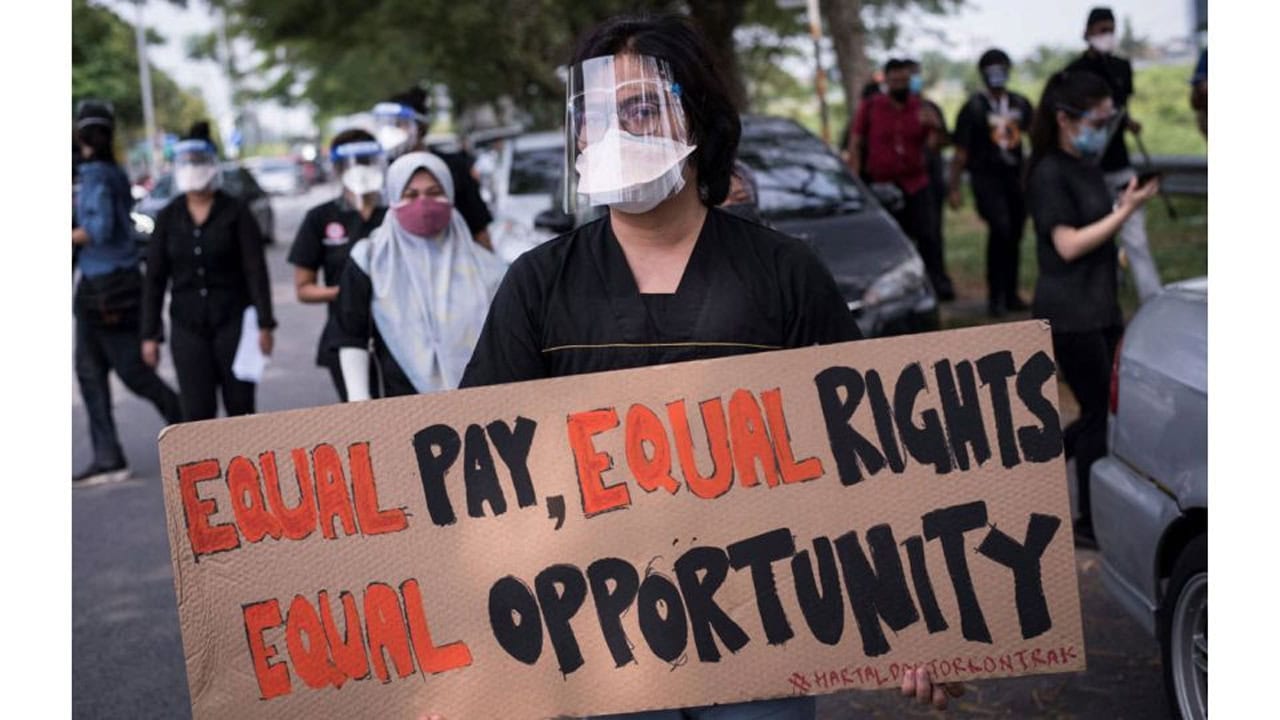
Hundreds of contract doctors are walking away from permanent posts they once fought for, turning Malaysia’s doctor shortage into what a health policy expert calls an existential crisis. Galen Centre for Health and Social Policy chief executive Azrul Mohd Khalib said the issue is no longer the number of permanent posts on offer, but whether doctors would take them up. “Hundreds of contract doctors are now walking away from offers of permanent positions. The horse has fled the stable a long time ago. The problem is existential now for the whole healthcare system,” he said when contacted yesterday. Deputy Health Minister Datuk Hanifah Hajar Taib told Parliament last week that only about half the 560 permanent postings offered to Sabah this year were expected to be taken up. The pipeline is also weakening, with only about 10% of 5,000 housemanship training slots filled, Azrul said. He described the Public Service Department’s (JPA) move to hand the Health Ministry control over its posts as meaningful reform, though one that still falls short. “This is not full autonomy as JPA and the Treasury still control the total number of posts and funding,” he said as he called for a Health Services Commission with powers over appointments, placements, transfers and discipline, similar to the Education Service Commission for teachers. Maldistribution, he added, was also a retention problem involving workload, housing and career progression, with relocation allowances “only one long and delayed part of the solution”. Hartal Doktor Kontrak spokesman Dr Muhammad Yassin estimated that 15,000 to 20,000 doctors were still serving on contract, saying only the Health Ministry had the exact figure. “A holistic and thorough oversight of the number of contract doctors should be done, and the 4,500 placements adjusted accordingly,” he said. Doctors whose contracts lapsed before absorption were forced out of the ministry, he said, calling it “such a great loss to the country and the rakyat”. He gave the relocation allowance a guarded welcome, saying the group would wait for the official circular as “the devil is in the details”. On Monday, Health Minister Datuk Seri Dr Dzulkefly Ahmad announced that JPA had given the ministry direct control over its approved posts, with 4,500 contract medical officers going permanent this year – part of over 18,500 absorbed since 2023, which he called the largest such exercise in the country’s history. The contract system, introduced in Dec 2016 to cope with a glut of medical graduates, sparked the Hartal Doktor Kontrak walkout in July 2021 over job insecurity. ANN/The Star

多角的分析

経済的影響

カンボジアにおける医療人材の流出は、長期的に見て国内の医療サービスの質とアクセスに深刻な影響を与える。質の高い医療提供能力の低下は、国民の健康水準の悪化を招き、結果として労働生産性の低下や医療費の増大につながる可能性がある。特に、地方部や貧困層への医療サービス提供が困難になることで、社会経済的な格差がさらに拡大する懸念がある。また、医療人材の不足は、新たな医療技術の導入や研究開発の遅れを招き、国際的な医療水準からの乖離を深めるリスクも孕んでいる。

投資家心理

医療分野における人材不足は、国内外からの投資家にとって、カンボジアでの医療関連事業への投資リスクを高める要因となる。特に、高度な医療サービスを提供する病院やクリニックの設立・運営においては、熟練した医師や看護師の確保が不可欠である。人材不足が慢性化すれば、サービスの質が低下し、収益性に悪影響を及ぼす可能性がある。また、医療インフラ開発への投資も、運用面での人材確保の困難さから慎重にならざるを得なくなるだろう。これは、カンボジアの医療ツーリズムやヘルスケア産業の発展を目指す投資家にとって、大きな障害となりうる。

社会的影響

カンボジアの医療現場で契約医師が永続ポストを辞退する動きは、医療従事者の労働環境やキャリアパスに対する不満の表れである。具体的には、低賃金、過重労働、昇進機会の限定、そして不安定な雇用形態などが背景にあると考えられる。これにより、特に地方部や僻地での医療サービスの質が低下し、国民、とりわけ経済的に弱い立場にある人々が、十分な医療を受けられない状況が悪化する可能性がある。また、医療従事者の士気低下は、患者への対応の質にも影響を与えかねず、国民全体の健康と福祉に対する懸念が高まっている。

市民の声

カンボジア市民、特に地方や経済的に困難な状況にある人々にとって、医師不足は直接的な医療へのアクセスを脅かす問題である。契約医師が永続ポストを辞退することで、病院や診療所の人員がさらに不足し、待ち時間の長期化、診察時間の短縮、あるいは専門医の不在といった事態を引き起こす可能性がある。これは、病気の早期発見や適切な治療を受ける機会を奪い、健康格差を拡大させる。市民は、より身近で質の高い医療サービスを受けられるようになることを切望している。

背景・歴史的文脈

カンボジアにおける医療人材不足は、長年にわたる開発の遅れと、限られた予算の中で医療システムを維持・発展させてきた歴史的背景を持つ。特に、ポル・ポト政権崩壊後の混乱期を経て、医療インフラの再建と人材育成が急務となった。近年、経済発展に伴い医療へのアクセス改善が図られてきたが、依然として医師の数や質、そして地域間の偏在が大きな課題となっている。加えて、近隣諸国やより経済的に恵まれた国々への医師の流出も、人材不足を深刻化させる一因となっている。今回の事例は、カンボジア国内の医療従事者が直面する労働環境やキャリアパスへの不満が、人材流出を加速させる構造的な問題を示唆している。

原文ソース

Phnom Penh Post

原文を読む