General articles are free for 24 hours after publish.
USS Abraham Lincoln Departs, Highlighting Pattaya's Tourism Challenges
The departure of the USS Abraham Lincoln from Pattaya has underscored the resort city's underlying tourism challenges following a temporary economic boost. The visit highlighted the need to adapt to changing tourist behaviors and the growing significance of the Indian market.
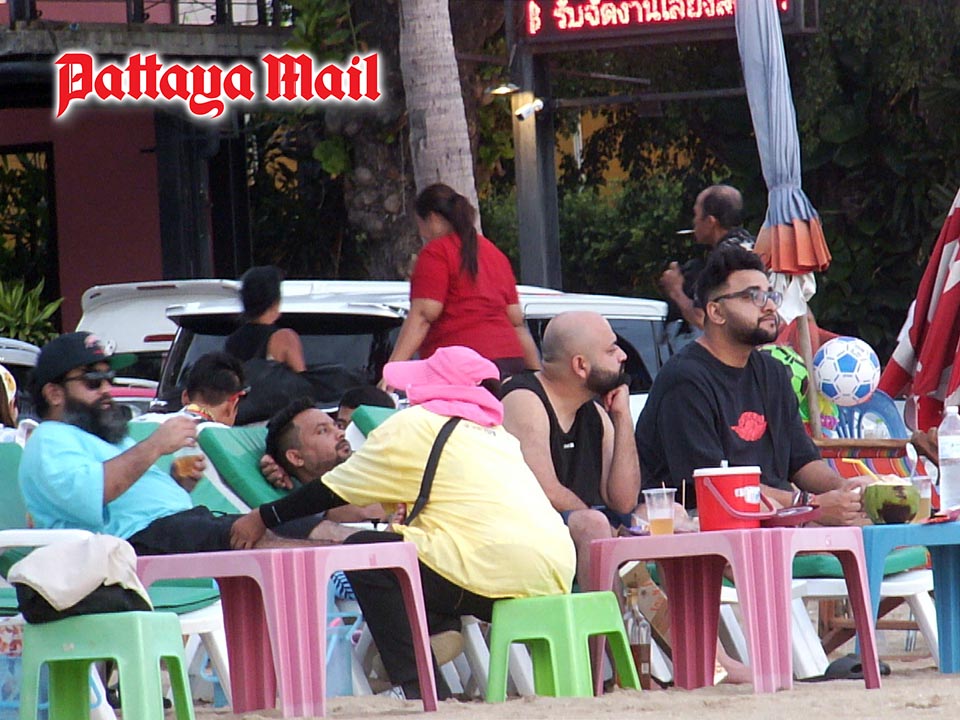
PATTAYA, Thailand – The departure of the USS Abraham Lincoln and its approximately 5,000 Navy personnel from Pattaya leaves the resort city with a larger question than the excitement, crowds, and spending their five-day visit generated during the low season. The core issue is what Pattaya has actually learned from the visit and what it has to rely on once the ship sails away. Anticipation was high before the sailors came ashore, with social media abuzz with preparations and speculation about how the American visitors would spend their shore leave. However, the reality on the ground proved more complex. Today's young sailors are less likely to seek the same experiences associated with the Vietnam-era GI generation, such as primarily drinking, partying, and pursuing relationships with Thai women. Instead, they are more inclined to engage in shopping, dining, visiting cafes, taking photographs, and creating social media content. While nightlife remains an attraction, it often translates to enjoying music and dancing in clubs and sharing these experiences online, rather than solely seeking romance in beer bars. This shift in behavior significantly impacts what Pattaya offers. Shopping emerged as a key activity, with shopping center staff reporting strong sales and some sailors purchasing goods to take home. Restaurants and cafes also benefited. The younger generation's preference for photogenic spots presents Pattaya with an opportunity to capture spending beyond its traditional nightlife economy. However, this also highlights an uncomfortable truth: 5,000 visitors do not automatically equate to 5,000 major economic contributors spread evenly across the city. Spending was concentrated in specific shopping centers, restaurants, entertainment venues, and hotels, leading to substantial gains for some operators while others may have seen minimal impact. This disparity is not a criticism of the sailors but a reminder that Pattaya's tourism economy is far more fragmented than headline visitor numbers suggest. Furthermore, while the USS Abraham Lincoln's visit generated immense online excitement, the reaction among many local residents and workers in Pattaya was considerably more subdued. For many local businesses, life continued as usual, serving regular customers and dealing with daily challenges. The sailors' visit provided welcome additional business, but it was not enough to transform the entire city. Once they depart, Pattaya reverts to facing its ongoing challenges: the low season, evolving tourist behaviors, intense business competition, and the increasingly significant Indian market. While Pattaya focused on the American sailors, businesses were simultaneously dealing with the larger and more consistent flow of tourists from India. Regardless of individual business preferences, Indian visitors are becoming a more visible and crucial component of Pattaya's tourism landscape. Unlike a temporary naval visit, they represent a continuous source of customers that businesses must understand, accommodate, and compete for. This underscores perhaps the most significant lesson from the USS Abraham Lincoln visit: Pattaya should welcome all visitors, but its tourism future cannot be built solely on occasional influxes. Naval visits or major international events can bring thousands of people into an area temporarily. Holiday periods can also lead to sudden surges in occupancy. However, these are temporary injections. When the USS Abraham Lincoln leaves Laem Chabang, Pattaya remains Pattaya. Its beaches, restaurants, hotels, nightlife, and businesses continue to depend on the next wave of tourists walking through their doors. Should the USS Abraham Lincoln return next year, Pattaya will likely experience similar excitement. Social media will fill with images, businesses will prepare promotions, and the arrival of thousands of young American sailors will once again be a major talking point. While this is not inherently negative, the more pertinent question for Pattaya is not "How many tourists can we attract?" but rather, "Why should they return after their short visit ends?" This is a challenge that cannot be solved by the presence of a visiting aircraft carrier.
Original source
Pattaya Mail