General articles are free for 24 hours after publish.
Cambodia Rejects Thai Cultural Claims, Citing Nationalist Rhetoric
A Cambodian geopolitical analyst has refuted claims by "ASEAN Skyline Rising" that Cambodia "invented" the term Khmer Sbai to steal Thailand's traditional attire. The analyst argues this is nationalist rhetoric based on selective history and calls for evidence-based cultural debate.
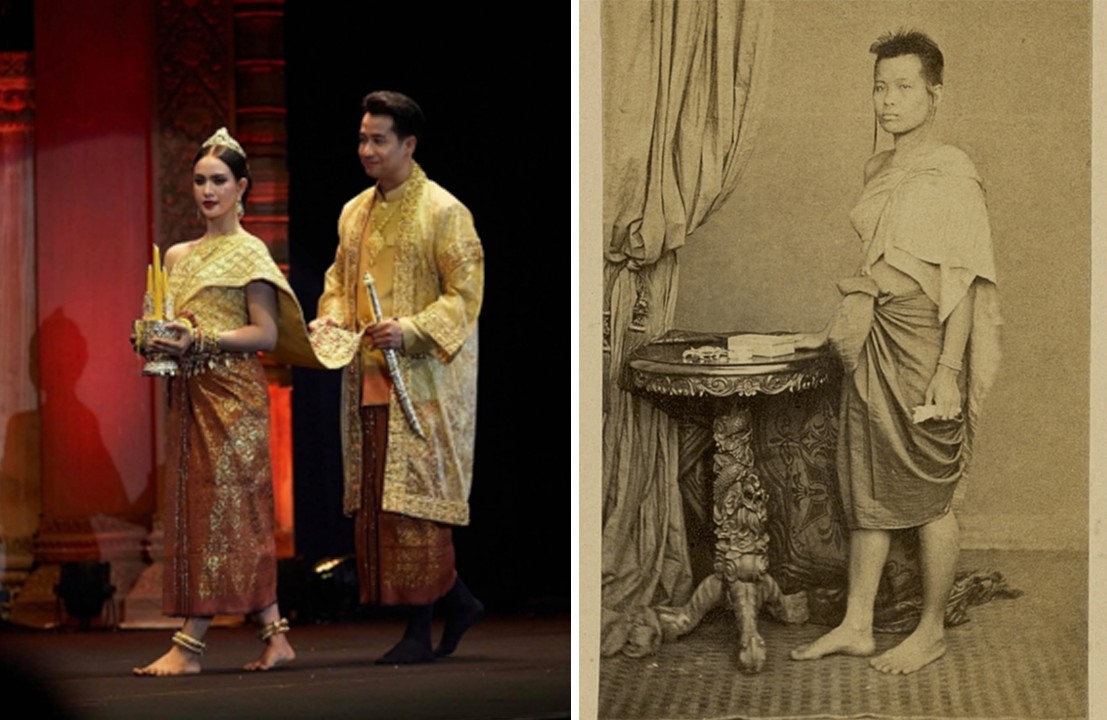
Roth Santepheap, a Phnom Penh-based geopolitical analyst, has strongly criticized claims made by the "ASEAN Skyline Rising" social media account, which alleged that Cambodia "invented" the term Khmer Sbai to steal Thailand's traditional attire. He argues this narrative is not a serious contribution to cultural debate but rather a nationalist tale built on selective history, cultural ignorance, and inflammatory rhetoric. Santepheap stated that accusing Cambodians of being "scammers" and claiming an entire nation is "running out of lies" does not constitute historical evidence. Instead, it is an attempt to replace scholarship with insult and to weaponize cultural heritage for nationalism. He particularly dismissed the assertion that the sbai suddenly appeared in Cambodia in 2026 as absurd, noting that the sbai is deeply rooted in Khmer artistic traditions, cultural practices, historical representations, and the broader continuity of Khmer civilization. The word "sbai" itself is integral to the Khmer language, and the increased visibility of the term "Khmer sbai" in contemporary discussions does not imply the garment or tradition is a recent invention. The core issue, according to Santepheap, is the deliberate attempt to create a false dichotomy: either the sbai is exclusively Thai, or Cambodia must have stolen it. He emphasized that history does not operate in such a simplistic manner. While Southeast Asia has a history of centuries of cultural interaction, cultural exchange does not grant any modern nation the right to erase the historical identity of its neighbors. A most revealing aspect of the "ASEAN Skyline Rising" narrative, Santepheap noted, is its refusal to acknowledge the diversity and historical evolution of Khmer traditional dress. Cambodia has never had only one form of national attire; the sampot, sbai, pleated textiles, embroidered garments, ceremonial clothing, royal dress, village traditions, and classical performance costumes are all part of a living and evolving cultural heritage. He urged that if the authors of "ASEAN Skyline Rising" genuinely believe history is determined by evidence, they should respect that principle and allow historians, archaeologists, linguists, art historians, and textile scholars to examine the evidence, rather than relying on nationalist Facebook pages. Santepheap asserted that attempts to monopolize cultural heritage through aggressive social media campaigns are not a sign of cultural confidence. A truly confident culture does not need to insult its neighbors or rewrite their history to prove its own worth. Cambodia does not need to steal another country's heritage, as Khmer civilization possesses its own long and documented history expressed through its architecture, sculpture, inscriptions, literature, performing arts, textiles, and living traditions. Therefore, the sbai should be discussed through evidence, scholarship, and mutual respect, not through nationalist propaganda. Santepheap directly addressed "ASEAN Skyline Rising," stating that history cannot be rewritten by shouting louder on Facebook and that a thousand nationalist posts do not become historical evidence simply by repetition. He called for evidence if they wish to debate culture, asserting that no amount of social media propaganda can make rewritten history true. He concluded by quoting, "Only a thief accuses others of being thieves," finding it deeply ironic when those who have repeatedly attempted to appropriate others' heritage, identity, or property accuse others of doing the same. Genuine respect for truth, history, and international norms requires consistency and is based on respecting the rights of others, he stressed. Source: Phnom Penh Post
Original source
Phnom Penh Post