General articles are free for 24 hours after publish.
Yoboi Village's Sago Forest Threatened by Declining Traditional Practices in Papua
The vast sago forest in Yoboi Village, Jayapura Regency, Papua, faces an existential threat due to the decline of traditional management practices. Despite its importance as a tourist attraction, changing lifestyles among residents are casting a shadow over this precious ecosystem and cultural heritage.
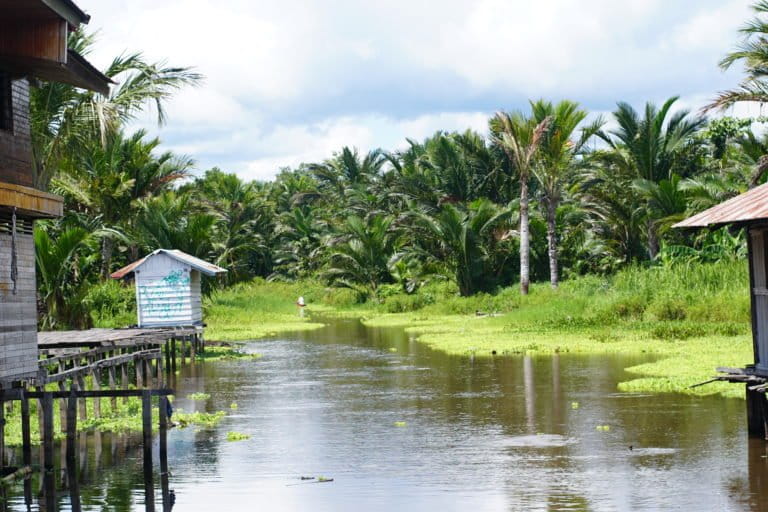
In Yoboi Village, Sentani District, Jayapura Regency, Papua, towering sago trees are a common sight. The village is renowned as a tourist destination and boasts the largest sago forest in Jayapura Regency, spanning 1,600 hectares. However, the local community's traditional wisdom in managing this vast sago forest is increasingly threatened, jeopardizing its sustainability. Nearly the entire area of Yoboi Village is situated over Lake Sentani, requiring visitors to traverse wooden bridges. Along the pathways, numerous sago plants, some ready for harvest and others still young, are visible. In September 2021, the Ministry of Tourism and Creative Economy officially designated Yoboi Village as one of the best tourist villages in the Anugerah Desa Wisata Indonesia (Indonesian Village Tourism Award) event. Yoboi Village offers natural beauty, art, culture, and educational tourism. Among its key attractions are the sago forest and the traditional knowledge of its management by the local community. Yohanes Tokoro, a 64-year-old resident of Yoboi Village, dedicates his days to the sago forest. He tends to the plants, clears away old fronds, and engages in planting and harvesting. The processing of sago is carried out using traditional methods, typically in collaboration with his family. This involves felling mature sago trees with an axe or machete. The outer bark is then stripped, and the inner trunk is pounded with tools resembling an axe made of wood or a tool called an 'oyo' until it breaks down into coarse powder. This coarse powder is then kneaded with clean water in a sieve made from sago leaves or thin cloth. The starchy liquid dissolves in the water and separates from the pulp. This mixture is left to settle for several hours or days until the starch precipitates. This sediment is then dried to become sago flour. Hans Tokoro, the customary chief of the Tokoro clan, is involved in managing the sago resources. However, with generational shifts, younger members of the community are showing diminishing interest in traditional sago management practices. Migration to urban areas and a preference for higher-paying occupations are making the transmission of this traditional knowledge and skills increasingly challenging. The potential loss of sustainable sago forest management could have profound implications not only for Yoboi Village's unique landscape but also for its local economy and cultural identity. Source: Mongabay Indonesia
Original source
Mongabay Indonesia