Ly Son Island Chairman Dives to Assess Coral Reefs, Spearheading Eco-Tourism
Society
2026年7月10日
5
Vietnam Insider

Ly Son Island Chairman Dives to Assess Coral Reefs, Spearheading Eco-Tourism

AI サマリー

The Chairman of Ly Son Special District in Quang Ngai Province, Vietnam, personally dived to inspect the condition of coral reefs. He expressed his determination to remove debris within the marine protected area and promote eco-tourism.

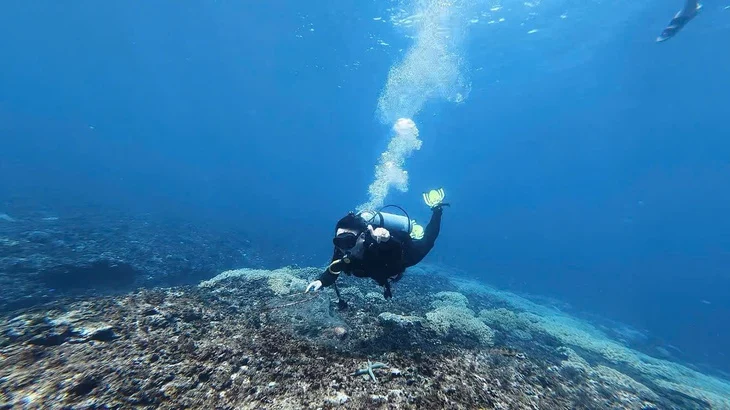
On July 10, 2026, Mr. Nguyen Van Huy, Chairman of the Ly Son Special District People’s Committee in Quang Ngai Province, personally plunged into the depths alongside the marine preserve’s management force and specialized scientific units to inspect the reef and hunt down invasive debris at the Lach Chua Hang station. This site is one of eight critical monitoring outposts within the Ly Son Marine Protected Area, situated in a strictly guarded zone approximately 500 meters off the northern coast. According to Chairman Huy, while the management board tirelessly works to shield the island’s ecosystem, he chose to personally witness and confront the reality of the coral coverage and seabed composition by diving beneath the waves. The mission employed the rigorous Reef Check method along with advanced Phototransect photography to capture detailed visual evidence of the underwater terrain. Beneath the surface, the team relentlessly pried suffocating waste from the living coral, meticulously sorting, counting, weighing, and tracing the origins of every piece of debris. The dive yielded a glimmer of hope: clusters of resilient new coral are fighting back and growing well, proving that Ly Son’s marine heart is still actively recovering. Yet, a terrifying menace lurks in the shadows: plastic pollution. The haul was heavily dominated by abandoned fishing gear—haunting “ghost nets,” monofilament lines, stray fishing hooks, ropes, and plastic pipes. Experts warn that these spectral traps choke out vital sunlight, snap delicate coral branches, and transform the reef into a graveyard, snaring and killing helpless marine life. “To lead effectively, one must confront reality firsthand rather than relying solely on written reports,” Chairman Huy declared. “My dive confirmed the reef is fighting to thrive. The true enemy here is the waste, and I will mandate strict countermeasures.” Amidst the tactical inspection, Chairman Huy personally purges debris from the reef. — Source: Vietnam.vn Returning to land, the Special District Chairman issued a stern directive: specialized agencies must wage an annual campaign, combining strict surveillance with deep-sea cleanup dives to track the volatile shifts of this endangered marine realm. The administration will ramp up public awareness campaigns, compelling fishermen, vessel owners, aquaculture operators, and tourism businesses to recognize the high stakes. They must stop treating the ocean as a dumping ground and actively retrieve their own broken gear, ghost nets, and industrial plastics after harvesting. Furthermore, Ly Son will mobilize community-wide strikes against ocean waste, uniting local residents, dive businesses, volunteers, and enforcement forces to purge the reefs. All recovered threats must be strictly sorted, managed, and transported according to environmental protocols. Ultimately, these vibrant, rescued coral reefs serve as the vital foundation for the island’s eco-tourism and diving industries, cementing Ly Son’s identity as a pristine, green destination where nature’s survival directly drives sustainable economic prosperity.

多角的分析

経済的影響

リソン島のサンゴ礁保全は、直接的には観光産業、特にダイビングやエコツーリズムの持続可能性に結びついている。これらの産業は、島の経済的発展の重要な柱であり、自然環境の健全性が直接的な収益源となる。海洋ゴミ、特に漁具の除去は、観光客の体験の質を向上させるだけでなく、海洋生態系の回復を促進し、長期的な観光資源の維持に不可欠である。ベトナム政府は、環境保全を経済成長の機会と捉える方針を強めており、リソン島のような事例は、自然資本を活用した持続可能な開発モデルとして注目される。これにより、地域経済の活性化と雇用創ち創出が期待される。

投資家心理

投資家にとって、リソン島のサンゴ礁保全の取り組みは、ESG(環境・社会・ガバナンス)投資の観点から関心を集める可能性がある。特に、持続可能な観光や海洋保護に関連するプロジェクトへの投資は、長期的なリターンの可能性を秘めている。しかし、現状では、具体的な投資機会やインフラ整備の進捗状況に関する情報は限定的である。投資家は、政府の政策支援、民間企業の参画、そして環境保全活動の効果を慎重に見極める必要がある。成功すれば、リソン島は環境配慮型の観光地として、国内外からの投資を呼び込む可能性がある。

社会的影響

リソン島におけるサンゴ礁の汚染問題は、地元住民の生活と環境意識に直接影響を与えている。特に、漁業に依存するコミュニティにとっては、海洋資源の枯渇は生計に直結する深刻な問題である。区長の自ら潜水して現状を確認する姿勢は、問題の重要性を住民に訴えかけ、意識改革を促す象徴的な行動と言える。今後は、漁師や観光事業者に対する啓発活動、そして地域住民全体を巻き込んだ清掃活動が、環境保全への意識を高め、持続可能な地域社会の実現に不可欠となる。ゴミの発生源特定と回収義務化は、責任の所在を明確にし、自主的な協力を促す上で重要である。

市民の声

リソン島民にとって、サンゴ礁の健康は、単なる環境問題ではなく、生活そのものに直結する問題である。美しい海は、漁業資源の源であり、また、近年成長著しい観光業の基盤でもある。区長自らが潜水し、ゴミにまみれたサンゴ礁の現状を目の当たりにしたことは、住民に問題の深刻さを改めて認識させる契機となるだろう。今後は、地域全体でゴミの削減と回収に取り組む意識の醸成が重要となる。特に、漁具の管理や観光客へのマナー啓発は、地域社会全体で取り組むべき課題である。これが実現すれば、リソン島はより魅力的な観光地となり、住民の生活向上にも繋がるだろう。

背景・歴史的文脈

ベトナムは、長い海岸線と豊かな海洋資源を持つ国であり、海洋環境の保護は国家的な課題となっている。近年、経済成長に伴う開発と、プラスチック汚染をはじめとする環境問題が深刻化しており、特に沿岸部や島嶼部では、サンゴ礁の劣化が顕著である。リソン島は、その美しい自然環境から観光地としてのポテンシャルが高い一方で、漁業活動や観光客の増加による環境負荷も増大している。2019年にベトナム政府は「海洋プラスチックごみ削減国家行動計画」を策定し、プラスチックごみ問題への取り組みを強化している。今回の区長の行動は、こうした国家的な方針と、地域レベルでの具体的な環境保全活動を結びつける試みである。

原文ソース

Vietnam Insider

原文を読む