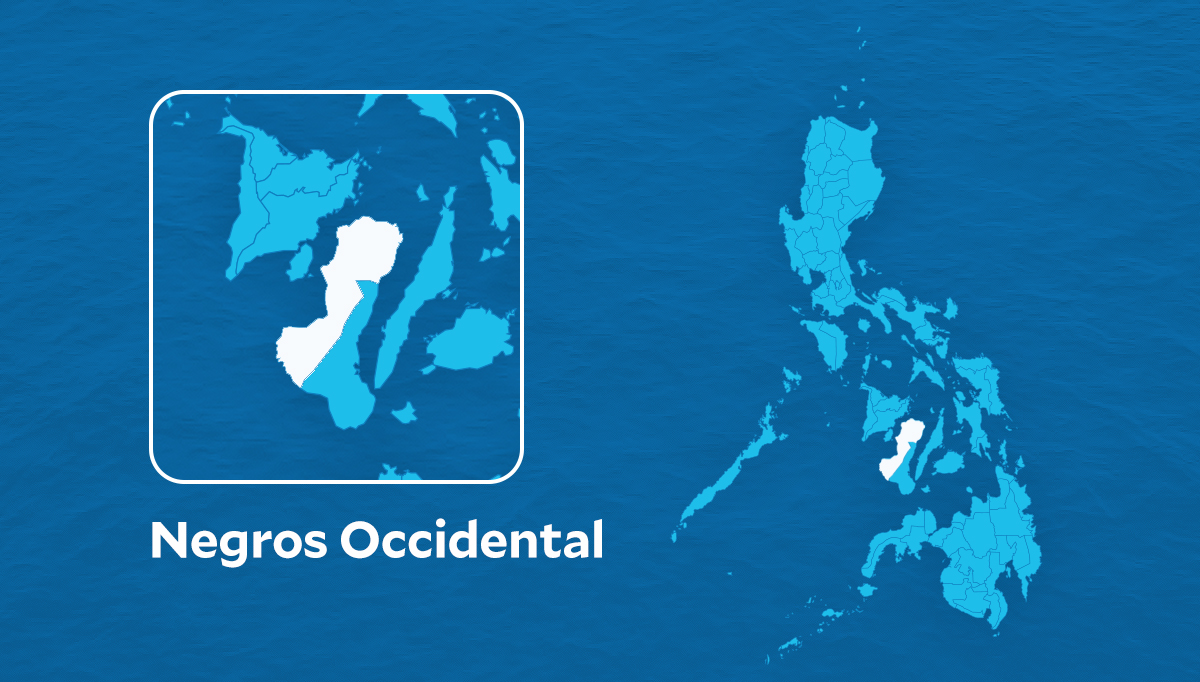
Negros Occidental Residents Return Home After Heavy Rains, Flooding
Over 3,600 residents displaced by heavy rains and flooding in Negros Occidental, Philippines, have begun returning home as weather conditions improve. The southwest monsoon, enhanced by Typhoon Inday (Bavi), affected 46 barangays across 10 local government units.
The more than 3,600 residents displaced by heavy rains and flooding in Negros Occidental began returning home on Sunday, July 12, as weather conditions improved, Provincial Disaster Risk Reduction and Management Office (PDRRMO) head Irene Bel Ploteña said. The southwest monsoon (habagat), enhanced by Typhoon Inday (Bavi), brought heavy rains that affected 46 barangays in 10 local government units across the province. A PDRRMO report issued at 11 a.m. Sunday showed that 1,202 families, or 3,605 individuals, were affected by the flooding. Tropical Storm Inday has since exited the Philippine Area of Responsibility. La Castellana recorded the highest number of affected residents, with 409 families, or 1,221 individuals. Pontevedra was the second hardest hit, with 289 families, or 778 individuals, affected across eight barangays. Isabela reported 174 affected families (510 individuals), followed by Moises Padilla with 98 families (290 individuals), San Enrique with 73 families (246 individuals), Binalbagan with 70 families (270 individuals), La Carlota City with 40 families (133 individuals), and Bago City with 30 families (81 individuals). The fewest affected residents were recorded in Sipalay City, with 10 families (47 individuals), and Hinoba-an, with nine families (29 individuals). The PDRRMO reported that one house was destroyed and 21 others were damaged. The destroyed house and nine of the damaged houses were in Sipalay City. Eight damaged houses were reported in Hinoba-an, three in Pontevedra, and one in Binalbagan.
多角的分析
今回の豪雨による経済的影響は、直接的には家屋の損壊やインフラへの被害、そして一時的な農業・漁業活動の中断に留まっている。しかし、フィリピンでは気象災害が頻発しており、これらの短期的な損失が積み重なると、復旧・復興コストの増大や、地域経済の持続的な成長を阻害する要因となりうる。特に、被害が集中した地域では、小規模事業者の事業継続が困難になる可能性も考えられる。
短期的な投資環境への影響は限定的だが、フィリピン全土で気象変動リスクへの意識が高まっていることを示唆する。投資家は、インフラ、農業、不動産などのセクターにおいて、気候変動への耐性を持つ企業や、災害リスク管理に優れた企業への投資をより重視するようになる可能性がある。また、長期的な視点では、気候変動対策への投資が新たなビジネスチャンスを生むことも考えられる。
ネグロス・オクシデンタル州では、水害による家屋の損壊や避難生活が、住民の生活基盤に直接的な打撃を与えた。特に、ラ・カステラーナやポンテベドラといった地域では、多くの世帯が被災し、食料、水、衛生状態の確保が喫緊の課題となった。帰宅後も、家屋の修繕や生活再建には時間と費用がかかり、精神的な負担も大きい。子供たちの教育機会への影響も懸念される。
今回被災したネグロス・オクシデンタル州の住民にとって、豪雨と洪水は生活の安定を脅かす直接的な脅威となった。家を失ったり、避難生活を送ったりすることは、食料や安全な水の確保、衛生問題など、日々の生活に多大な困難をもたらす。特に、家屋が損壊した人々は、帰宅後も長期にわたる復旧作業に直面し、経済的・精神的な負担を抱えることになる。子供たちの学校への影響も心配される。
背景・歴史的文脈
フィリピンは、太平洋の「火の輪」と呼ばれる地震帯に位置し、活発な火山活動や地震のリスクに加え、台風銀座と呼ばれる地域に属するため、毎年多くの台風や熱帯低気圧の影響を受けている。特に、南西モンスーン(ハバガット)が強化される時期には、沿岸部や低地で洪水や土砂災害が発生しやすい。近年、気候変動の影響により、これらの自然災害の頻度と強度が増加傾向にあり、フィリピン政府および国民にとって、気候変動への適応と防災対策は国家的な課題となっている。今回のネグロス・オクシデンタル州での洪水も、そうした背景を持つ事象の一つである。
原文ソース
Inquirer NewsInfo