General articles are free for 24 hours after publish.
Vietnam Studies New Tax Measures to Curb Land Speculation
The Vietnamese government is considering the introduction of new tax measures to curb land speculation and unused land. As part of revisions to the Land Law, strengthening taxation on land held for speculative purposes and on undeveloped land is being discussed, aiming to stabilize the real estate market and promote effective land utilization.
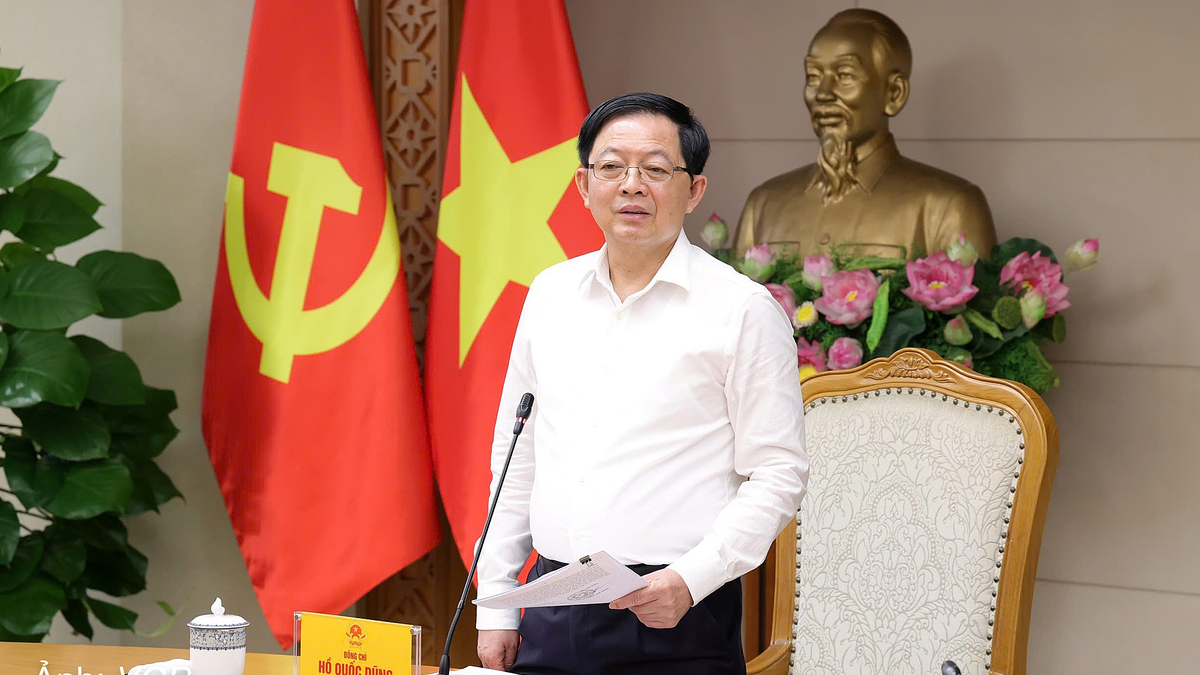
The Vietnamese government is studying the introduction of new tax measures to curb land speculation and the phenomenon of fallow land. As part of the ongoing revisions to the Land Law, Deputy Prime Minister Ho Quoc Dung has instructed the Ministry of Agriculture and Rural Development to research and incorporate principles for taxation to address land speculation and abandoned land into the draft law. The Deputy Prime Minister emphasized that the Land Law should primarily stipulate framework principles, minimizing frequent amendments as new issues arise in practice. He also stated that areas with differing opinions require further thorough review and assessment by the drafting agencies. Regarding compensation policies for land acquisition, he urged that loopholes leading to state asset loss or corruption be prevented. The mechanisms for determining land prices and constructing land price tables must be aligned with the conditions of each locality. The Ministry of Agriculture and Rural Development reported that 64 related laws and ordinances have been reviewed, and feedback from National Assembly deputies in August has been incorporated. Technical units from the Ministry of Public Security are completing procedures to upload the draft law to the VNeID platform for public consultation. The draft law focuses on amending policies related to land use planning, land allocation, leasing, and conversion of land use purposes; land acquisition, compensation, support, and resettlement; finance and land prices; and the rights, obligations of land users, and the usage regimes for each type of land. Previously, Minister of Agriculture and Rural Development Trinh Viet Hung indicated that a significant aspect of the Land Law revision would be the innovation of financial policies and land pricing to enhance land use efficiency, limit speculation and hoarding, and address fallow land. In line with this direction, tax policies will be employed to discourage land hoarding without utilization. The state is also researching mechanisms to regulate the increased land value resulting from planning, infrastructure investment, or land use conversion, rather than allowing the entire difference to accrue to the landholder. Furthermore, the draft proposes sanctions against land allocated for projects that remain unused or are delayed. Developers may face progressively increasing payments over time for delayed land utilization. Continued violations could lead to state land confiscation. Agricultural and forest land that is abandoned and has been fined but not put into use within the required timeframe may also be subject to confiscation. Concerning land pricing, the draft aims to use land price tables and adjustment coefficients to calculate financial obligations, budget revenues, the value of land use rights during the equitization of state-owned enterprises, and compensation amounts when the state acquires land. The adjustment coefficient represents the percentage increase or decrease relative to the price of each land type, area, and location within the price table. Land valuation must be based on scientific data and methods, conducted transparently, to prevent manipulation or artificial price inflation, while harmonizing the interests of the state, land users, and investors. Information Source: VnExpress
Original source
VnExpress