Philippines Expands School Feeding Program to Combat Child Stunting
The Philippine government has expanded its school feeding program targeting kindergarten and Grade 1 students amid rising rates of child stunting, aiming to unlock children's full potential as a long-term solution.
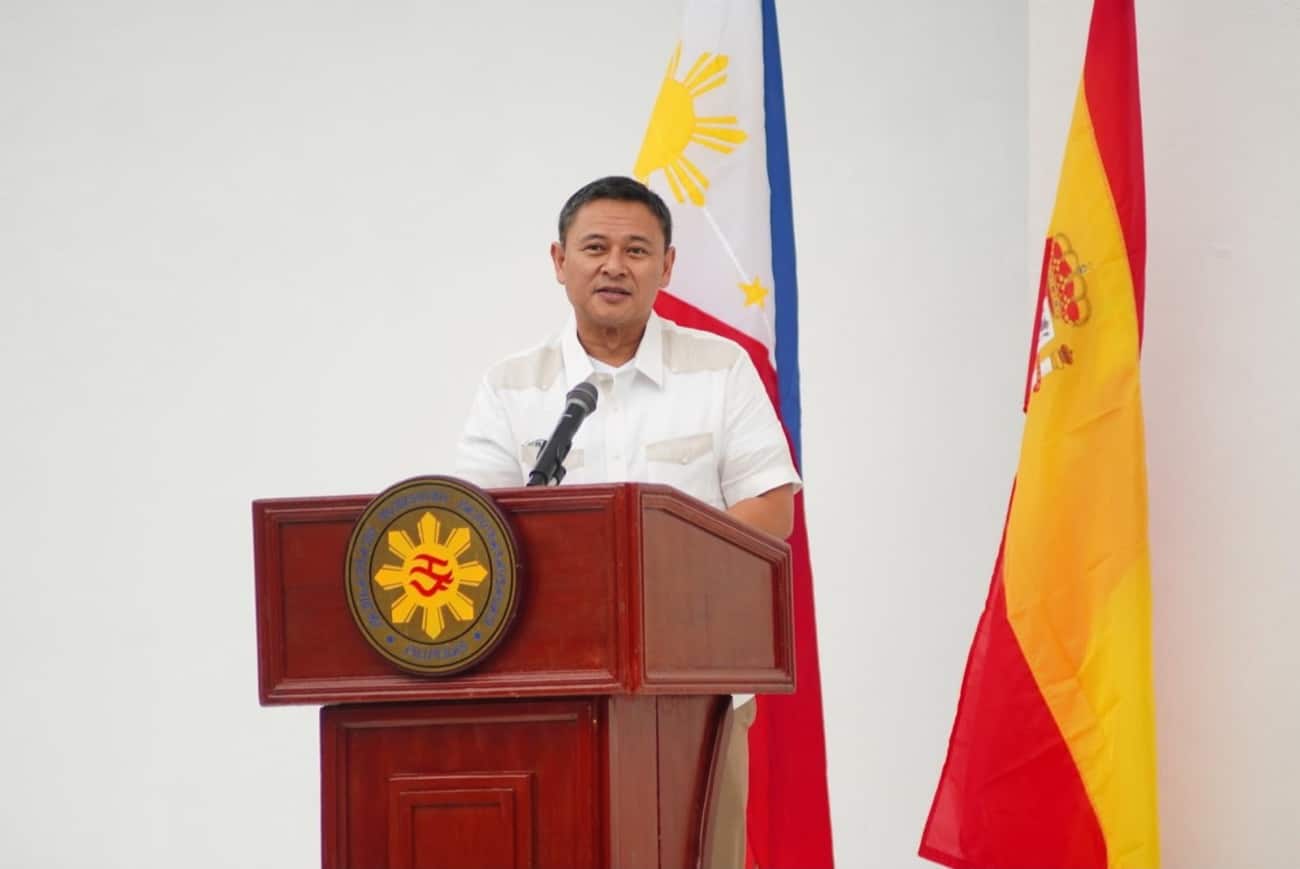
MANILA, Philippines — Amid rising child stunting rates, President Marcos and Education Secretary Sonny Angara on Wednesday rolled out the expanded School-Based Feeding Program at a school in Bulacan, providing meals for Kindergarten and Grade 1 students. The program launched at Pulilan Central School will benefit 775 learners, including all 294 Kindergarten pupils, 369 Grade 1 students and acutely malnourished learners from Grades 2 to Grade 6. In a statement on Wednesday, Angara said the program serves as a long-term response to rising child stunting, citing data from the Department of Science and Technology-Food and Nutrition Research Institute (DOST-FNRI), which showed child stunting has increased again after a decade. According to the DOST-FNRI findings, stunting among children under five rose to 25.3 percent, or one out of four children, an increase of about 1.7 percentage points from 2023. READ: Study: 1 in 4 Filipino kids under age 5 stunted “Every percentage point represents a Filipino child whose potential is being compromised,” Angara said. “This expanded feeding program is our decisive commitment to reversing these numbers and ensuring that our learners have the foundation they need to thrive in the classroom and in life.” During the event, Angara and Agriculture Secretary Francisco Tiu Laurel Jr. signed a Joint Administrative Order to strengthen the long-term implementation of the program, formalizing the collaboration between their departments. READ: Child stunting surge highlights urgency of House nutrition bill – Dy The National Dairy Authority and the Philippine Carabao Center also pledged support for the School-Based Feeding Program’s milk-feeding component. The program was launched as the country marks Nutrition Month this July. At the same time, Angara also distributed school bags and storybooks to Grade 1 learners to support literacy and learning recovery. Funding for the school bags and learning materials came from the Office of the President, while partner publishers donated the storybooks and the Department of Education covered printing costs. The expanded school-based feeding program supports the implementation of Republic Act No. 11037, which aims to improve the health, nutrition and academic performance of Filipino students. Meanwhile, Pasig City Rep. Roman Romulo, who co-chairs the Second Congressional Commission on Education (Edcom2), told the Inquirer the Philippines is “still capacity building to become self sufficient in the production of milk.” He said that storing and delivering fresh milk to children without spoilage is another issue, prompting proposals during Edcom2 hearings for alternatives such as powdered milk. But National Dairy Authority administrator Marcus Antonius Andaya said that if demand for milk goes up, farmers would be “more willing to expand production, improve herd quality, and upgrade their operations.” /cb
多角的分析
児童発育阻害率の増加は、長期的に見てフィリピンの人的資本の質に悪影響を及ぼす。教育への投資は、将来の労働力の生産性向上に不可欠であり、今回の給食プログラム拡充は、そのための重要な一歩となる。しかし、持続的な効果を得るためには、国内の食料供給体制の強化、特に地元農家との連携を深め、栄養価の高い食品を安定的に供給する仕組みの構築が求められる。また、プログラムの資金調達の持続可能性も経済的な観点から重要となる。
児童の健康と教育への投資は、長期的な経済成長の基盤となるため、投資家にとってポジティブなシグナルと捉えられる可能性がある。特に、食料生産、栄養補助食品、教育関連サービスなどの分野への投資機会が生まれるかもしれない。ただし、乳製品の国内生産能力の向上や、サプライチェーンの効率化といった課題が解決されるかどうかが、関連産業への投資判断に影響を与えるだろう。政府の食料安全保障へのコミットメントは、市場の安定性にも寄与すると考えられる。
児童の発育阻害は、単に身体的な成長の問題にとどまらず、認知能力の発達を妨げ、学習成果や将来の所得に影響を与える深刻な社会問題である。今回の給食プログラム拡充は、特に貧困層の子供たちにとって、栄養状態の改善と学習機会の確保に直接的に貢献する。しかし、プログラムの恩恵が全国の対象児童に公平に行き渡るか、また、家庭での栄養教育との連携が図られるかが、社会的な公平性を確保する上で問われる。地方の学校や、インフラが未整備な地域への支援も課題となる。
今回の学校給食プログラムの拡充は、多くのフィリピン国民、特に子を持つ親たちにとって、子供の健康と将来への希望を繋ぐ朗報である。しかし、都市部と地方部での格差、特に食料へのアクセスや教育環境の違いが、プログラムの効果に影響を与える可能性がある。また、牛乳の国内生産能力や流通網の整備といった課題が、プログラムの持続可能性や品質にどう影響するか、市民は注視している。食料価格の安定化と、栄養価の高い食品へのアクセス改善も、国民生活にとって切実な課題である。
背景・歴史的文脈
フィリピンでは、過去数十年にわたり児童の発育阻害が深刻な社会問題となっている。特に貧困層や地方部において、栄養不足が子供の身体的・認知的発達に遅れをもたらし、学習能力や将来の生産性を低下させるという悪循環が生じている。2010年代以降、政府は食料安全保障や栄養改善に向けた政策を打ち出してきたが、DOST-FNRIの最新データは、その効果が限定的であり、むしろ増加傾向にあることを示唆している。2018年に施行された共和国法第11037号(「すべての子どもに健康的な食生活を送る権利を保障するための学校給食法」)は、この問題に対処するための法的枠組みを提供しているが、その効果的な実施には、予算、インフラ、そして関連省庁間の連携強化が不可欠である。
原文ソース
Inquirer NewsInfo