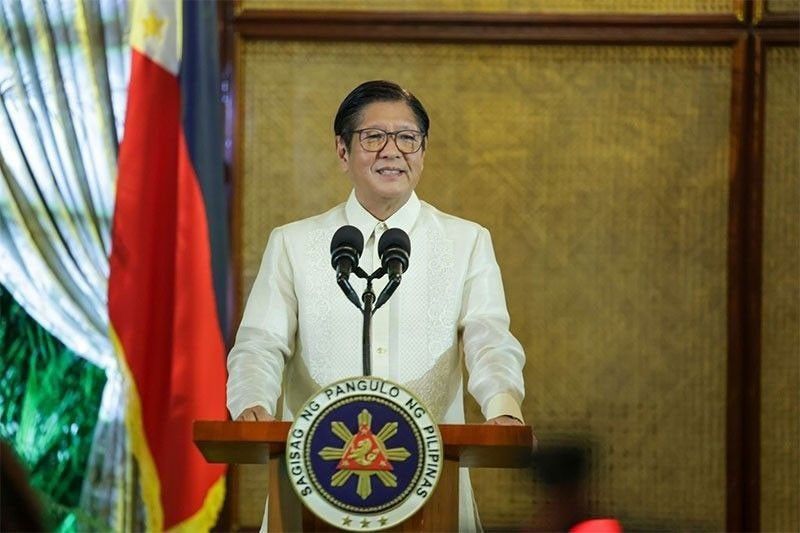
Marcos Cabinet Approves 2027 National Expenditure Program
Politics
2026年7月11日
4
Philstar Nation

Marcos Cabinet Approves 2027 National Expenditure Program

AI サマリー

The Philippine President's Cabinet has approved the 2027 National Expenditure Program (NEP), aiming to boost economic growth and improve citizens' lives. The proposed budget is expected to reach P7.2 trillion, a 6% increase from this year, and is now undergoing final adjustments before submission to Congress.

MANILA, Philippines — President Marcos’ Cabinet has approved the 2027 National Expenditure Program (NEP) as presented by the Department of Budget and Management (DBM) during a final review at Malacañang on Friday. The NEP is the proposed national budget submitted by the executive branch to Congress. “On the total amount and other details, we do not want to pre-empt the President’s budget submission to Congress,” Presidential Communications Secretary Dave Gomez said in a statement. DBM earlier said the administration is eyeing a P7.2-trillion appropriation for 2027, higher by six percent or P407 billion more than this year’s P6.793 trillion. “The proposed budget for next year will focus on programs, activities and projects that seek to create better opportunities and address the needs of the Filipino people, helping ensure a more resilient and secure future for all,” a recent DBM memorandum read. Under the Constitution, the President has a month to submit next year’s national budget to Congress after delivering his State of the Nation Address (SONA). Marcos will deliver his fifth and penultimate SONA on July 27. The proposed P7.2-trillion national budget for 2027 should spur economic growth while helping the country withstand global and domestic challenges, Senate President Sherwin Gatchalian said Friday. The proposed spending plan for next year is equivalent to 21.7 percent of the country’s gross domestic product. Gatchalian said next year’s budget should stimulate economic activity as the country faces risks from elevated global oil prices, the threat of a severe El Niño and rising public debt. “The national budget for next year should help stimulate economic activity to address global and local challenges, including the need to manage the country’s growing debt,” Gatchalian said. He said the Senate would closely scrutinize the proposed spending plan to ensure that public funds are used efficiently and for programs that directly benefit Filipinos. “Aside from prioritizing programs that improve the quality of life of our people, such as infrastructure, education and health care, we must also ensure that the national budget will not be abused and that every peso will be spent for the welfare of our people,” he said. Gatchalian, who chaired the Senate finance committee during last year’s budget deliberations, said the chamber would continue to push reforms promoting transparency and accountability in the national budget. — Mark Ernest Villeza

多角的分析

経済的影響

2027年度の国家予算案承認は、フィリピン経済の持続的な成長軌道を維持するための重要な一歩である。P7.2兆ペソという規模は、インフラ投資、人的資本開発、そして社会保障プログラムへの継続的な支出を示唆しており、これは国内需要を刺激し、雇用創ちを促進する効果が期待される。特に、グローバルなインフレ圧力や地政学的な不確実性が高まる中、国内経済のレジリエンスを高めるための財政政策の重要性が増している。DBMが掲げる「より良い機会の創出」と「国民のニーズへの対応」は、貧困削減と所得格差是正に向けた具体的な政策パッケージに落とし込まれるかが鍵となる。過去の事例では、予算執行の遅延や非効率性が経済効果を限定するケースも見られたため、予算の迅速かつ効果的な執行が求められる。

投資家心理

2027年度の国家予算案承認は、投資家にとって中長期的な経済見通しを評価する上でポジティブなシグナルとなる。P7.2兆ペソという規模の歳出は、インフラ開発や公共サービスへの投資拡大を示唆しており、これが経済成長を後押しし、投資環境の改善につながる可能性がある。特に、マルコス政権が掲げる「より強靭で安全な未来」の実現に向けた具体的なプログラムが、民間投資を呼び込む触媒となるかが注目される。しかし、Senate President Gatchalian氏が指摘する公的債務の管理や、グローバルな経済リスクへの対応能力も、投資家が重視するポイントである。透明性と説明責任を重視した予算執行は、投資家の信頼を高める上で不可欠となるだろう。

社会的影響

2027年度国家予算案は、フィリピン国民の生活向上に直接的な影響を与える。特に、インフラ、教育、医療への重点的な投資は、地方部における生活水準の向上や、若年層の教育機会の拡大に寄与すると期待される。しかし、予算が国民のニーズに真に応えているか、そしてその恩恵が社会全体に公平に行き渡るかどうかが問われる。例えば、インフラ投資が一部地域に偏る、あるいは教育・医療へのアクセスが依然として格差を抱えるといった問題が顕在化する可能性もある。予算執行における透明性と説明責任の確保は、国民からの信頼を得る上で極めて重要であり、市民社会組織による監視活動も活発化するだろう。

市民の声

2027年度の国家予算案承認は、国民生活の改善に向けた期待を高める一方で、その実効性に対する懸念も生じさせている。特に、インフラ整備、教育、医療といった分野への重点投資は、地方に住む人々や低所得層にとって、生活の質の向上に直結する可能性がある。例えば、地方における道路網の整備は、農産物の輸送コスト削減や、地域経済の活性化につながるかもしれない。また、教育予算の増加は、若者がより質の高い教育を受け、将来の海外就労や国内でのキャリア形成に繋がる機会を増やすことが期待される。しかし、過去の予算執行における遅延や、一部のプロジェクトにおける不正の報告などから、予算が国民の期待通りに活用されるか、という点への不安も根強く存在する。特に、地方のコミュニティでは、予算がどのように使われ、地域にどのような変化をもたらすのか、具体的な進捗状況への関心が高い。

背景・歴史的文脈

フィリピンの国家予算編成プロセスは、憲法に基づき大統領が提案し、連邦議会が承認する二院制を採用している。毎年7月末に大統領が行う年次教書演説(SONA)後1ヶ月以内に翌年度予算案が提出されるのが通例である。近年、フィリピン経済は堅調な成長を遂げてきたが、インフラ整備の遅れ、貧困、所得格差、そして自然災害への脆弱性といった構造的な課題を抱えている。マルコス政権は、これらの課題に対処し、経済成長を持続させるため、インフラ開発、デジタル化、人的資本への投資を重点政策として掲げている。今回の2027年度NEP承認は、これらの政策目標達成に向けた具体的な財政措置を示すものであり、政権の経済運営能力が問われることになる。

原文ソース

Philstar Nation

原文を読む