Indonesia's B50 Biodiesel Mandate: Fact-Checking Claims of Foreign Exchange Savings
Indonesia has launched its 50% biodiesel (B50) mandate starting July, with the government claiming it will save foreign exchange. However, experts question these assertions, citing potential fiscal burdens and environmental risks.
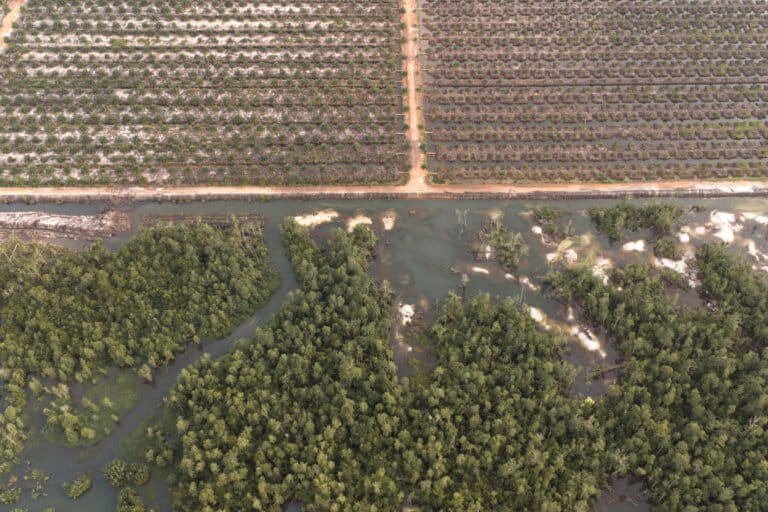
Starting this July, the Indonesian government has begun implementing the 50% biodiesel (B50) mandatory program. Several parties have criticized the B50 mandate, questioning the government's claims that the program can save the country's foreign exchange reserves by up to Rp157.28 trillion by 2026. Previously, the Ministry of Energy and Mineral Resources (KESDM) claimed that the B50 policy could significantly reduce the need for diesel imports compared to last year when the government mandated B40. "With foreign exchange savings of Rp133.3 trillion last year, foreign exchange savings from reduced diesel imports through the B50 policy this year will increase by approximately 17.9%," said Dwi Anggia, Spokesperson for KESDM, as reported by Antara. Minister of Energy and Mineral Resources, Bahlil Lahadalia, stated an even higher saving. During the program's launch on July 9th, he said the B50 biodiesel mandate has the potential to save around Rp170 trillion in state foreign exchange. Quoting IDN, he explained that the savings occur because the policy can reduce Indonesia's reliance on diesel imports. "So, from B40 to B50, we can retain Rp170 trillion of our foreign exchange," Bahlil stated, as reported by IDN. Is this foreign exchange saving claim true? Yayan Satyakti, an Energy Economics Lecturer at Padjadjaran University, has studied the government's claims. He stated that while foreign exchange savings through the B50 program do occur, it does not automatically mean savings for the state budget. Biodiesel in Indonesia is predominantly derived from palm oil, and significant subsidies flow to companies for palm oil-based biodiesel. Conversely, according to Yayan, B50 has the potential to create fiscal costs, pressure on the cooking oil market, risks of new palm oil land clearing, and carbon debt for over a century. He acknowledged that the B50 program can indeed replace diesel imports, but emphasized the need for careful consideration of its broader economic and environmental implications. Source: Mongabay Indonesia
多角的分析
インドネシア政府が推進するバイオディーゼルB50政策は、軽油輸入削減による外貨流出抑制を最大の目的としている。しかし、この政策は国内のパーム油産業への依存度を高め、補助金支出の増加を招く可能性がある。パーム油生産は、食用油市場の価格変動に影響を与えやすく、国際的な価格変動や国内需要の増減が、バイオディーゼル燃料のコストに直接影響する。また、パーム油生産拡大に伴う新たな土地開発は、環境規制や国際的な持続可能性基準との兼ね合いで、輸出市場における競争力低下のリスクも孕んでいる。政府が主張する外貨流出抑制効果は、これらの国内経済への潜在的なコストやリスクを考慮せずに算出されている可能性があり、短期的なメリットと長期的なデメリットのバランスが問われる。
バイオディーゼルB50政策は、インドネシアのエネルギーセクター、特にパーム油関連企業にとっては追い風となる可能性がある。政府の義務化により、国内でのパーム油由来バイオディーゼルの需要が安定的に確保されるため、生産者は供給量の増加を見込める。これは、パーム油価格の安定化や、関連企業の収益性向上に寄与するだろう。しかし、国際的な環境規制の強化や、持続可能なパーム油生産への圧力が高まる中で、投資家は企業の環境・社会・ガバナンス(ESG)への取り組みを厳しく評価するようになる。土地開発に伴う森林破壊や人権問題などが指摘される企業は、ESG投資の観点から敬遠されるリスクがある。また、政府の補助金政策への依存度が高い場合、政策変更のリスクも考慮する必要がある。
バイオディーゼルB50政策は、パーム油生産拡大に伴い、新たな土地開発を誘発する懸念がある。これは、特にスマトラ島やカリマンタン島などの地域において、先住民コミュニティの居住地や伝統的な土地利用への影響、森林破壊による生態系への負荷、そしてそれに伴う地域住民の生活基盤の喪失といった社会的な摩擦を生じさせる可能性がある。また、パーム油産業は労働集約型産業であり、雇用創ちの側面もあるが、土地利用を巡る紛争や、搾取的な労働慣行が問題視されることも少なくない。政府が主張する外貨流出抑制という経済的メリットの裏側で、地域社会の持続可能性や人々の生活がどのように影響を受けるのか、その実態を把握し、適切な配慮を行うことが求められる。
インドネシア政府は7月よりバイオディーゼル混合率50%(B50)プログラムを導入。政府は外貨流出抑制効果を主張するが、専門家は財政負担増大や環境リスクを指摘し、その実効性に疑問を呈している。。記事本文に基づく追加の深掘りが必要な場合は、関連ソースを確認しながら補完してください。
背景・歴史的文脈
インドネシア政府は、エネルギー自給率向上と外貨流出抑制のため、バイオ燃料の利用促進を長年進めてきた。特にパーム油は、国内で豊富に生産されることから、バイオディーゼル燃料の主要原料となっている。2016年にはB20(バイオディーゼル20%混合)、2020年にはB30の義務化が実施され、徐々に混合率を引き上げてきた。今回のB50導入は、その延長線上にある政策である。しかし、パーム油生産拡大の過程で、森林破壊や泥炭地の開発による温室効果ガス排出、先住民コミュニティとの土地利用を巡る紛争などが国際的に批判されてきた。政府はこれらの批判に対し、持続可能なパーム油生産のための認証制度導入などで対応してきたが、実効性については依然として課題が残る。
原文ソース
Mongabay Indonesia