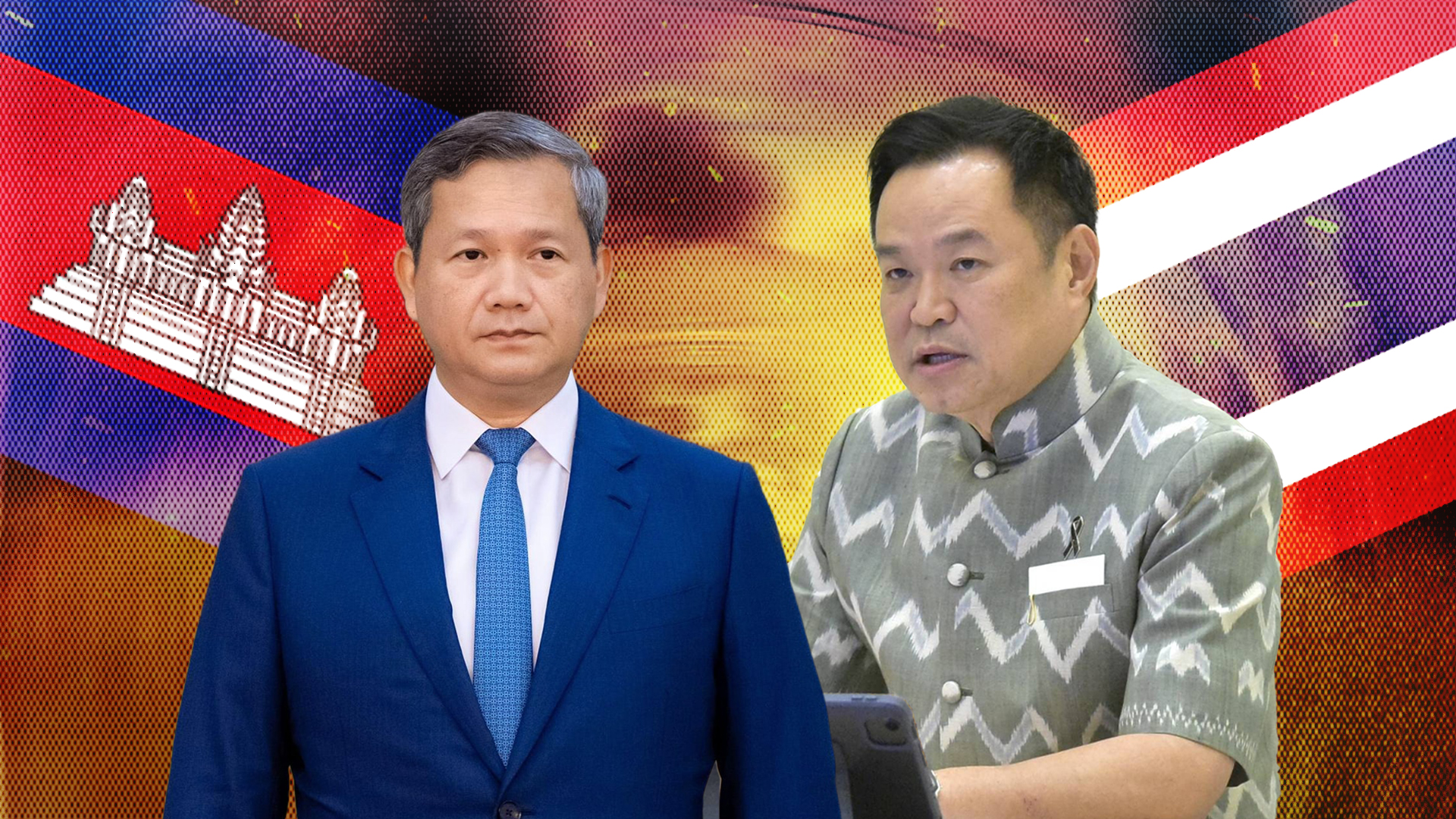
One Year On, Thailand and Cambodia Seek Paths to Reconciliation After Border Conflict
Security
2026年7月23日
5
Khaosod English
Relations
🇹🇭Thailand🇰🇭Cambodia

General articles are free for 24 hours after publish.

One Year On, Thailand and Cambodia Seek Paths to Reconciliation After Border Conflict

Share
AI Summary

One year after the border conflict between Thailand and Cambodia, unresolved disputes have damaged bilateral relations, economies, and goodwill. Experts advocate for building 'bridges' through dialogue and compromise, rather than retribution.

One year has passed since the tragic and needless undeclared war between Thailand and Cambodia. The conflict resulted in numerous casualties on both sides, with civilians and soldiers falling victim, leaving their loved ones in deep mourning. Counting the losses from the conflict is not straightforward. It includes innocent civilians killed, soldiers lost, and those displaced who remain in vulnerable situations. Approximately 150 people, comprising civilians and soldiers from both nations, are reported to have died during the two rounds of fighting. While calls for retribution may exist, concerns are raised that this would only lead to further death and destruction. Cambodian authorities report that tens of thousands of civilians remain displaced and are awaiting their return home. Meanwhile, in Thailand, sources from the Ministry of Labour indicate that at least 100,000 Cambodian migrant workers are in a legal limbo. The government's refusal to renew their work permits, fearing backlash from ultranationalist Thais, is said to be increasing the risk of labor exploitation. On both sides of the border, some individuals remain entrenched in a zero-sum mentality, despite the inevitability of compromise and accommodation for coexistence as neighbors. The imperative is for individuals, not just governments, to take steps, one by one, to build bridges. Over the past year, the author has maintained communication channels and moderation with some Cambodians and non-Cambodians across the border as both nations descended into mutual hatred and destruction. Sao Phal Niseiy, editor of Cambodianess, shared an exchange with the author to mark the first anniversary of this undeclared border conflict. According to Niseiy, this anniversary signifies both nations' failure to resolve border disputes peacefully, serving as a stark reminder of how the unchecked conflict has damaged not only bilateral relations but also the economies and goodwill between Thais and Khmers. On the Thai side, anti-Cambodian sentiment was unleashed and manipulated to boost the stature of the Thai military and the conservative establishment. Both countries remain trapped in a Cold War mentality. Although a ceasefire is in place, tensions along the border and mutual distrust persist. Regarding the confidence in avoiding future armed confrontations, Niseiy stated, "I have little confidence, but I do sincerely hope that cool heads will prevail. It is apparent by now to any reasonable Thai and Cambodian that this is a lose-lose scenario for both our nations and our economies." To reduce the risk of future armed clashes, both governments and their people must exercise restraint and moderation when considering and discussing the conflict. They must think long-term and recognize that being good neighbors, rather than sworn enemies, is ultimately best for both nations and their people. The impartial involvement of a third party, such as China or ASEAN, as a mediator to help resume normal ties should be welcomed. Ordinary citizens can also play a crucial part in normalizing relations by refraining from excessive nationalist rhetoric and ensuring cordial relations with people from the other country. A successful Cambodia-Thailand relationship five years from now would look like reopened borders and the resumption of normal trade, tourism, cultural exchange, and people-to-people interaction. Both sides would accept the results of UNCLOS, and disputed land border territories would be back on the negotiating table. People in both nations would refrain from spreading hate speech and stereotypes, fully aware of how toxic and viral they can become. Essentially, it would be normal, neighborly relations, but with an acute awareness on both sides of sensitive issues and impending disputes that must be handled with tact. The post One Year On, Let’s Try To Build Bridges and Not Walls Between Thailand and Cambodia appeared first on Khaosod English.

0

Original source

Khaosod English

原文を読む