General articles are free for 24 hours after publish.
Vietnam Nears Full Textbook Supply, 99.75% of Needs Met
Vietnam's Ministry of Education and Training announced that 99.75% of textbooks have been supplied to students, significantly reducing shortages from the start of the academic year. The remaining approximately 900,000 copies are expected to be delivered soon. Planning inaccuracies were identified as the cause, with measures to prevent recurrence planned.
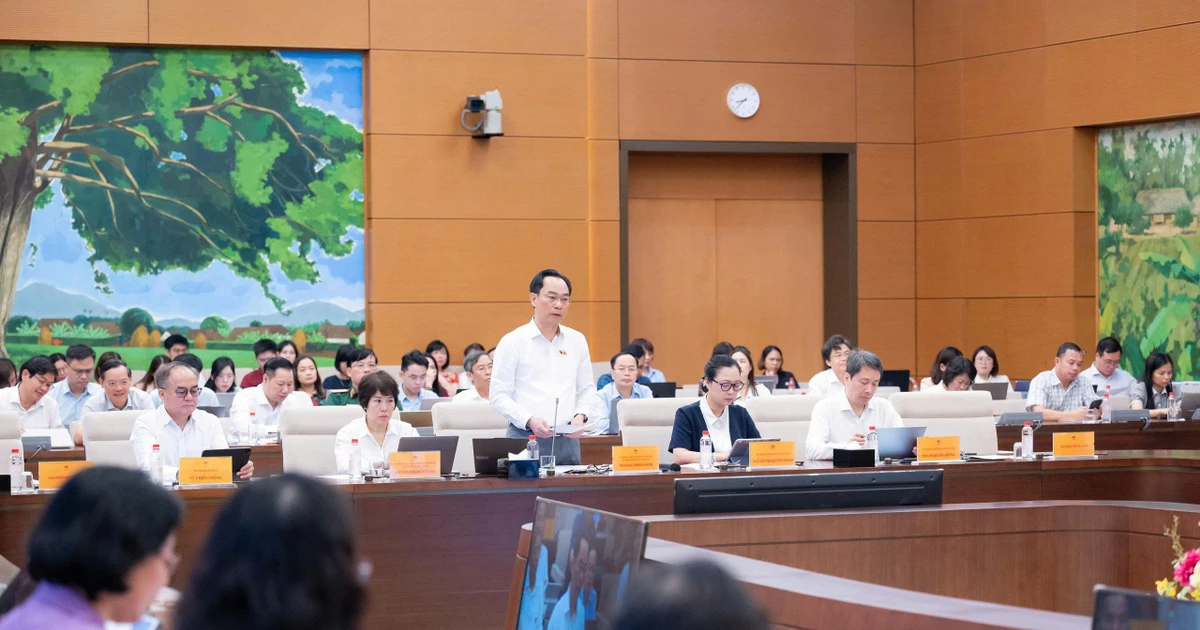
Vietnam's Ministry of Education and Training announced that it has achieved 99.75% textbook supply, addressing shortages at the start of the new academic year. At a hearing organized by the National Assembly's Committee on Culture and Social Affairs on September 20, Minister of Education and Training Hoang Minh Son reported that as of 5 PM on September 19, approximately 900,000 textbooks, or 0.25% of the total demand, remained undelivered to students. This marks a significant reduction from the over 3.9 million books, or 1.5% of demand, that were short as of September 14. The Minister stated that publishers and supply companies will focus on meeting the full demand in the coming days. The total projected demand for textbooks this year is around 240 million copies. Minister Son explained that since the approval of a unified textbook set in December 2025, the Ministry has issued numerous directives to the Vietnam Education Publishing House and local authorities for statistical analysis, forecasting, and production planning to ensure sufficient supply. However, he admitted that the planning for the current year failed to accurately predict the textbook needs for each locality and subject. He assured National Assembly deputies that such issues would not recur in the next academic year, emphasizing that the Ministry of Education and Training will strictly supervise planning and forecasting to ensure adequate textbook distribution. Moving forward, the Ministry will collaborate more closely with local Departments of Education and Training to establish primary supply channels through schools, thereby reducing intermediaries and easing the burden on parents who currently have to procure books themselves from bookstores.
Original source
Nhan Dan