Thai Interior Ministry Faces Internal Strife Rumors Amid Power Struggles
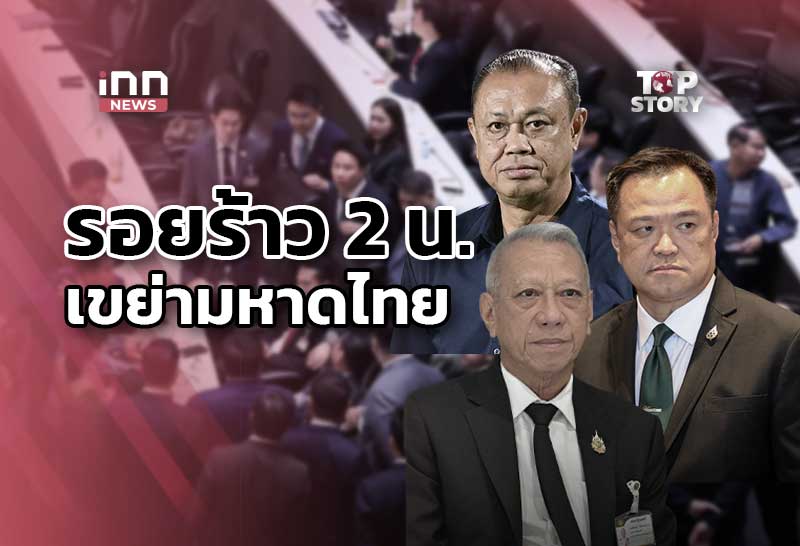
The Thai Ministry of Interior is embroiled in negative reports, including corruption allegations and internal leaks, fueling speculation of intra-party conflict. The rumored rift between Prime Minister and Interior Minister Anutin Charnvirakul and party heavyweight Newin Chidchob, dubbed '2N', is drawing particular attention.
The Ministry of Interior in Thailand has been facing a barrage of negative news for several weeks, ranging from administrative issues and internal information leaks to allegations involving high-ranking officials. These events have prompted public questions about whether they are merely administrative problems or the result of internal political conflicts within the Bhumjaithai Party. The most discussed issue is the suspected "rift between 2 Ns" involving Prime Minister and Interior Minister Anutin Charnvirakul and Mr. Newin Chidchob, the "dean" of the Bhumjaithai Party, who has long been seen as a key figure in setting the party's direction. As scandals within the Ministry of Interior have progressively surfaced, many have linked these events not to coincidence but to the competition between power groups, both at the political and bureaucratic levels. The use of terms like "backstabbing" or "undermining" through the release of secret and negative information to gain political advantage has been observed. With these incidents occurring continuously, the image of unity within the Bhumjaithai Party has come into question, leading to widespread discussion of the "2 Ns, 1 P" phenomenon in political circles. However, key leaders of the Bhumjaithai Party have denied these rumors. Deputy Prime Minister and Minister of Transport, Mr. Pipat Ratchakitprakarn, affirmed that there has never been a division within the party. He stated that the party's executive leadership engages in regular discussions, coordination, and consultations. While disagreements may arise on certain issues, he described this as normal in collaborative work, not the conflict being alleged. Mr. Pipat also emphasized that it is normal for a government leader like Mr. Anutin to receive advice from various individuals, as each person has different expertise. This does not imply interference in national administration or that anyone has overriding authority over the Prime Minister's decisions. Meanwhile, Mr. Chaichanok Chidchob, Minister of Digital Economy and Society and Secretary-General of the Bhumjaithai Party, responded to the rumors with humor. He suggested that if there were "2 Ns" arguing, it would be "Mr. Newin" and "Nok" (referring to himself), engaging in discussions for the good of the nation. As for "1 P, 1 N," he identified them as Mr. Pipat and Mrs. Nate Ratchakitprakarn, acknowledging that marital discussions are normal. Regarding the relationship between Mr. Anutin and Mr. Newin, which is of greatest public interest, Mr. Chaichanok firmly stated that the two still maintain affection, closeness, and a stronger relationship than before. While they may have differing opinions on some matters, which is natural in their work, there have never been issues to the point of a breakdown, and no news has shaken their relationship. Although party leaders have uniformly asserted that there are no rifts, in politics, what the public observes is not just the statements but the future direction of events. The question remains whether the continuous string of scandals within the Ministry of Interior will cease, or if more new information will be revealed. If the rumors continue, it will inevitably lead to increased discussion about internal power struggles. Even if all parties deny conflict, this could become a significant factor affecting political stability in the future.
多角的分析
内務省はタイの地方行政やインフラ開発など、経済活動の根幹を担う部門であり、その混乱は直接的な経済活動の停滞や投資意欲の減退につながる可能性がある。特に、汚職疑惑や情報操作といった報道は、透明性への懸念を高め、国内および海外からの投資家心理を冷え込ませる要因となりうる。過去にも、政治的不安定さがタイ経済の成長率にマイナスの影響を与えた事例は少なくない。
投資家は、政権の安定性と政策の一貫性を重視する。内務省という主要な省庁における権力闘争や汚職疑惑は、タイの政治リスクを増大させるシグナルと受け取られる。これにより、短期的な市場のボラティリティ(変動性)が高まるだけでなく、長期的な直接投資(FDI)の決定にも慎重な姿勢を促す可能性がある。特に、インフラ関連や地方開発への投資は、内務省の動向に大きく左右されるため、影響は大きいと考えられる。
内務省は国民生活に直結する行政を担っており、その内部での権力闘争や汚職疑惑は、国民の政府への信頼を揺るがす。特に、地方の行政サービスや土地問題、災害対策など、国民の生活に密接に関わる分野での不透明感は、地域住民の不安を増大させる。また、SNSなどを通じた情報操作の報道は、情報リテラシーの重要性や、市民が正確な情報を得る権利について、社会的な議論を喚起する。
バンコク市民からは、内務省の混乱が直接的な生活への影響はまだ感じにくいという声もあるが、政治全体の不安定化への懸念は大きい。物価上昇や公共サービスの質への影響を心配する声も聞かれる。地方からは、行政手続きの遅延や、地域開発プロジェクトへの影響を懸念する声が上がる可能性がある。SNS上では、政治家への不信感や、情報操作への批判が活発に行われている。
背景・歴史的文脈
タイの内務省は、地方行政、治安維持、災害対策など、国民生活の基盤を支える広範な権限を持つ。ブルンジャイタイ党は、アヌティン・チャーンウィラクロン氏を党首とし、ネーウィン・チッドチョブ氏が非公式ながらも党の意思決定に大きな影響力を持つとされる。両者の関係は、党の結束力の源泉とも見られてきたが、近年、党内の派閥や利権を巡る対立が水面下で存在すると指摘されてきた。特に、2023年の総選挙後、連立政権内での閣僚ポストや予算配分を巡り、党内の力学が変化したとの見方もある。今回の報道は、こうした長年の権力構造のひずみが表面化したものと考えられる。
原文ソース
INN News