Starlink disruptions hit Myanmar amid crackdown on cyber scam hubs
Security
2026年7月6日
2
DVB

Starlink disruptions hit Myanmar amid crackdown on cyber scam hubs

AI サマリー

Thousands of residents and resistance fighters in Myanmar are facing sudden communication blackouts after Starlink deactivated terminals across the country. The move, aimed at crippling illicit cyber scam operations, has

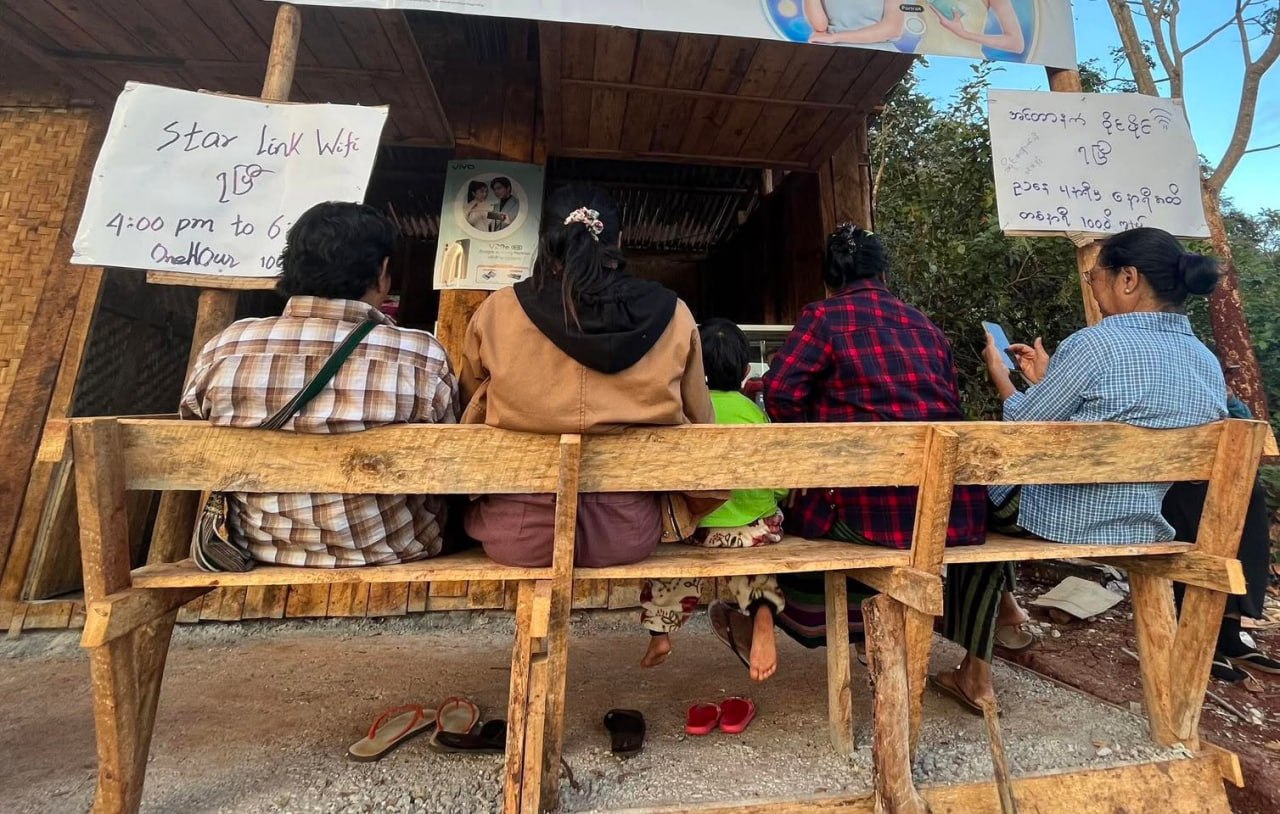
Thousands of residents and resistance fighters in Myanmar are facing sudden communication blackouts after Starlink deactivated terminals across the country. The move, aimed at crippling illicit cyber scam operations, has inadvertently severed a vital lifeline for regions under a military-imposed internet shutdown. According to local sources, terminals have been offline since Thursday in resistance-controlled areas, including Kachin, Karenni, and Arakan states, as well as the Mandalay and Sagaing regions. Service providers estimate that more than 20 percent of the Starlink terminals currently active in Myanmar have been deactivated. Since the military regime imposed sweeping communications blackouts across central Myanmar and several ethnic borderland states in 2022, resistance forces, including the People’s Defence Force (PDF), and civilians have heavily relied on Starlink to connect to the outside world. Because Myanmar is not officially licensed for Starlink operations—only Malaysia, Indonesia, and the Philippines hold such licenses in Southeast Asia—users have been forced to exploit geographical workarounds. A PDF member based in central Myanmar, speaking on the condition of anonymity, noted that while they possess backup communication services, none offer the wide accessibility of Starlink. The mass deactivations appear directly tied to international efforts to combat Myanmar’s booming cybercrime and human trafficking networks. Users reported that the outages primarily affected terminals that entered the country through northern Shan State, a route suspected of supplying equipment to notorious online scam operations in Karen State’s Myawaddy Township. The service cuts follow heightened regional scrutiny. In late June, unnamed officials from the United States and the Myanmar regime reportedly met in Tokyo, Japan, to discuss combating the proliferation of these cyber scam centers. Enforcement actions have also escalated along the border. On Oct. 25, Thai authorities seized 60 Starlink terminals from a vehicle at the Mae Tao border checkpoint in Tak Province. Officials suspected the equipment was linked to scam operations in Karen State and was being transported into Thailand following military crackdowns on the KK Park cyber scam hub, located 81 miles east of the Karen State capital Hpa-An. SpaceX, the parent company of Starlink, has actively acknowledged its role in the crackdown. Lauren Dreyer, Vice President of Starlink Business Operations, confirmed on social media in October that the company had proactively disabled over 2,500 terminals suspected of being utilized by cyber scam centers in Myanmar. While the deactivations strike a blow to multi-billion-dollar criminal syndicates, they leave ordinary citizens and resistance groups scrambling to restore the crucial communication networks they rely on for survival.

多角的分析

経済的影響

実務協力は短期の投資案件に直結しなくても、人材育成、技術移転、行政能力の底上げにつながる可能性があります。ただし制度透明性が低いままでは、協力の実効性は限定されます。

投資家心理

投資家にとっては、どの国との実務協力が残っているかがリスク評価の材料になります。外交接点の継続はプラス材料ですが、政治的正統性や制裁環境を切り離して見ることはできません。

社会的影響

社会面の焦点は、住民同士の関係改善が、都市部だけでなく地方のサービスや機会に届くかです。ミャンマーの数千人の住民と抵抗勢力は、スターリンクが国内全土で端末を無効化した後、突然の通信遮断に直面している。 違法なサイバー詐欺拠点を壊滅…を一回の式典で終わらせない制度設計が見られます。

市民の声

市民にとっては、会談そのものよりも、雇用、教育機会、公共サービスの改善として実感できるかが焦点です。成果が見えなければ公式報道への信頼は高まりません。

背景・歴史的文脈

このニュースは、ミャンマー政府が対外関係を通じて行政分野の協力を維持しようとする動きです。国際的な孤立や制裁圧力が続く中でも、科学技術、教育、金融など実務分野の会談は、政府間チャネルを保つ意味を持ちます。

原文ソース

DVB

原文を読む