Vietnam Strengthens Support for Children with Cancer, Focusing on Medical, Educational, and Financial Burdens
Ho Chi Minh City is enhancing support for children with cancer and their families. Medical professionals, volunteers, and society at large are collaborating to address not only treatment but also the maintenance of educational opportunities and the alleviation of financial hardship.
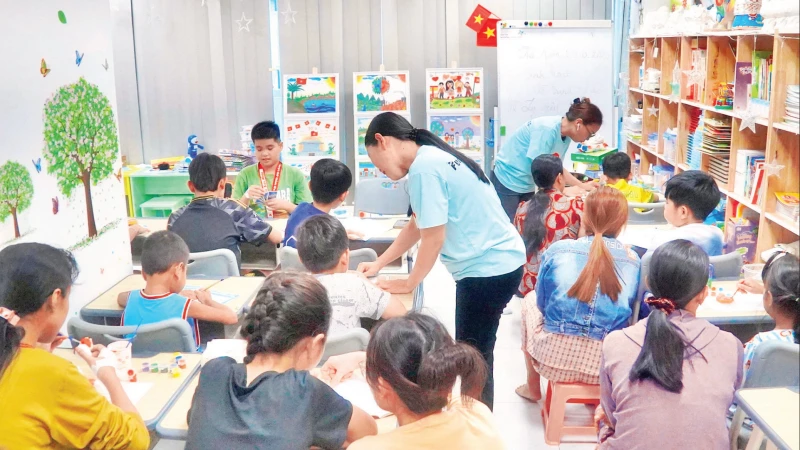
In Ho Chi Minh City, Vietnam, efforts are being intensified to support children suffering from serious illnesses, particularly cancer, and their families. Medical professionals, volunteers, and the community are collaborating to address not only the fight against the disease but also to maintain children's educational opportunities and alleviate the economic and psychological burdens associated with prolonged treatment. Hundreds of children in Ho Chi Minh City's pediatric hospitals are diagnosed with cancer each year, forcing them to interrupt their studies to focus on treatment. For instance, a 16-year-old boy, T, who lost his left arm due to bone cancer, is now battling metastasis to the lungs. Though he should be in high school, his repeated hospitalizations have caused him to fall behind in his studies. Currently, many children are sacrificing their childhood joys, such as summer holidays, to undergo treatment. The Clinical Hematology Department at Nhi Đồng City Hospital, one of the city's major pediatric hospitals, receives approximately 150 new patients annually. Of these, 30-40% suffer from leukemia, while the rest have brain tumors, lymphomas, or other solid tumors. Many of these conditions require long-term treatment, often spanning several years. Doctors emphasize the importance of not only medical treatment but also maintaining patients' physical and mental well-being. They point out that well-balanced nutrition, a positive psychological state, and family support account for about 50% of treatment efficacy. In economically disadvantaged families, parents often have to quit their jobs to care for their sick children, highlighting the need for financial assistance. Mr. Danh Phạm from An Giang province, whose daughter is undergoing leukemia treatment, came to the city with limited funds. Fortunately, with the help of medical staff, he received support for treatment costs and nutritious meals. In response, hospitals in the city are also providing educational support and psychological care. At Nhi Đồng City Hospital, a learning club named "Nét chữ xinh" (Beautiful Handwriting) operates twice a week, helping children maintain social connections through learning and play. Events such as toy donations and collective birthday parties are also organized to care for the children's mental health. Through these activities and fixed donations from supporters, hundreds of support cases are handled annually, and to date, no patient has had their treatment interrupted due to financial reasons. However, challenges remain regarding the psychological impact of post-treatment sequelae (such as limb amputation or effects of radiotherapy) and the difficulty of returning to studies. Furthermore, support for families who have quit their jobs to care for their children is also an ongoing concern. Nhi Đồng 2 Hospital, which handles over 1,000 inpatient and more than 500 outpatient cases of pediatric cancer annually, is constructing a new oncology building. During a recent visit, Deputy Prime Minister Phạm Thị Thanh Trà expressed her deep emotion and admiration for the children's resilience and hope for the future, emphasizing that they are not alone. Currently, the Ho Chi Minh City People's Committee is collaborating with social welfare organizations to develop a plan to support all children with serious illnesses in the city's pediatric hospitals, aiming for implementation within the year. As Vietnam Family Day (June 28) approaches, while many families celebrate togetherness, there are fathers like Mr. Danh Phạm who stay by their children's side in hospitals, and children like T who are learning to grow up faster than their age. They need society's continuous support, providing nutritious meals, educational opportunities that foster hope for the future, and consistent accompaniment until they can fully reintegrate into normal life.
多角的分析
ベトナムにおける小児がん治療は、医療費だけでなく、長期にわたる通院・入院による交通費、食費、そして親の収入減といった多岐にわたる経済的負担を伴う。特に地方出身者や低所得者層にとって、これらの負担は治療継続を困難にする主要因となっている。政府や社会団体による支援は、こうした経済的格差を緩和し、治療へのアクセスを公平にする上で不可欠である。過去の例でも、経済的支援がなければ治療を断念せざるを得なかったケースが報告されており、今回の支援強化は、経済的要因による治療中断を防ぐための重要な一歩と言える。
このニュース自体が直接的な投資機会を示すものではないが、ベトナムの医療インフラ、特に小児医療への関心の高まりと、それに伴う公的・民間支援の拡充は、長期的な視点で見ればヘルスケア産業への投資環境を示唆している。医薬品、医療機器、ヘルスケアサービス分野への投資は、ベトナムの経済成長と国民の健康意識向上というマクロトレンドに沿ったものとなりうる。ただし、現状では慈善活動や社会貢献の側面が強く、直接的な投資リターンを期待する段階ではない。
ホーチミン市では、小児がん患者とその家族が直面する困難は、単に病気との闘いにとどまらない。経済的困窮、学習機会の喪失、そして親の精神的負担が複合的に絡み合っている。例えば、An Giang省から来たDanh Phạm氏のように、日雇いの仕事で生計を立てながら治療費を捻出する親や、子供の付き添いのため仕事を辞めざるを得ないケースがある。また、病気による身体的後遺症や、治療中の学習中断が、子供たちの将来の社会復帰に影響を与える可能性も懸念されている。今回の支援策は、こうした社会的な課題に対し、医療、教育、経済的支援を統合的に提供しようとする試みである。
ホーチミン市では、難病を抱える子供とその家族は、医療費の負担だけでなく、子供の通院・入院に伴う交通費、食費、そして親が仕事を休むことによる収入減といった経済的な困難に直面しています。特に地方から来る家族は、住居の確保や生活費も大きな負担となります。さらに、病状によっては子供が学校に通えなくなり、学習の遅れや将来への不安を抱えることも少なくありません。このような状況に対し、地域社会やボランティアによる支援は、精神的な支えとなると同時に、経済的な負担を軽減する上で大きな役割を果たしています。例えば、Nhi Đồng City病院の学習クラブ「Nét chữ xinh」は、子供たちが学習を続け、社会との繋がりを保つための貴重な機会を提供しています。
背景・歴史的文脈
ベトナムでは、経済発展が進む一方で、医療制度や社会福祉制度の整備は依然として途上にある。特に地方部では、医療資源へのアクセスや経済的支援が限られている。小児がんのような長期かつ高額な治療を要する病気は、多くの家庭にとって深刻な経済的・精神的負担となる。政府は近年、国民皆保険制度の普及や医療サービスへのアクセス改善に取り組んでいるが、公的医療保険だけではカバーしきれない部分も多い。そのため、Nhan Dan紙が報じるような、医療機関、NPO、企業、そして個人からの支援活動が、患者とその家族にとって重要な支えとなっている。これは、ベトナム社会が、経済成長と並行して、より包摂的で支援的な社会を目指している姿勢の表れとも言える。
原文ソース
Nhan Dan