Philippines Eyes 3-5 Year Start for Pax Silica AI Hub Development
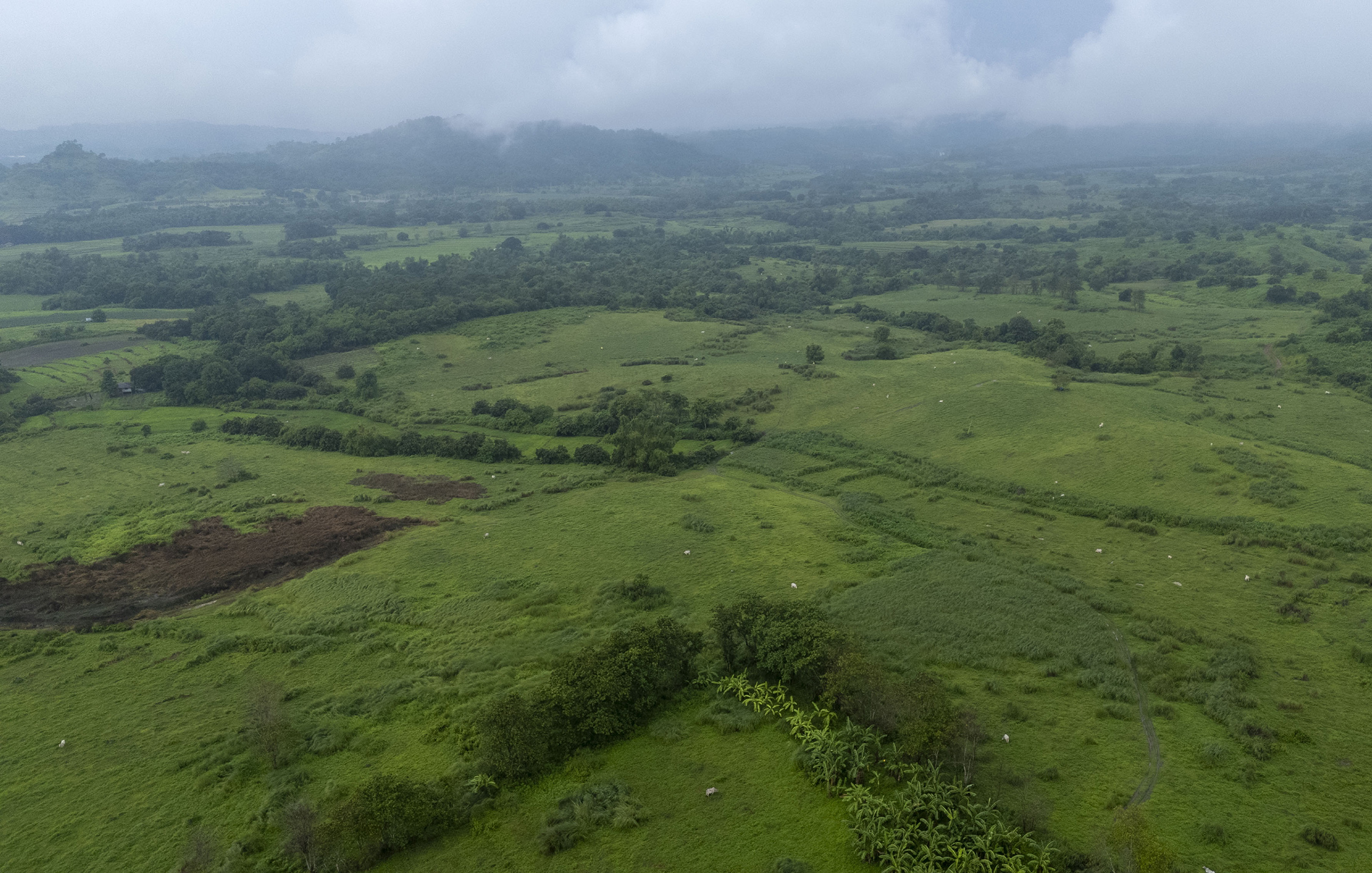
Site development for the planned US-led artificial intelligence (AI) hub, Pax Silica, in Central Luzon is expected to commence within three to five years. The initial phase will cover approximately 500 hectares, aiming to position the Philippines as a key player in the AI sector.
This article requires PRO
This article is outside the free access window or is a special report. PRO unlocks it and the full archive.
Related articles
- Envoy Backs Pax Silica, Warns of Project Shift to Neighbors
Philippine Ambassador to the US Jose Manuel Romualdez defended the Pax Silica initiative, stating that neighboring countries are ready to undertake the US-led project if the Philippines declines, emphasizing its economic benefits and calling for transparent discussions.
- Philippines Aims to Break China Nickel Dependence with Pax Silica
The Philippines aims to break free from China's price dominance on nickel ore by joining the US-led Pax Silica initiative. The move is expected to boost domestic processing capabilities, fostering economic independence and job creation, though domestic concerns remain.
- Philippines Eyes Semiconductor Advancement via Pax Silica Initiative
Philippine Economic Planning Secretary Arsenio Balisacan urges leveraging the US-led Pax Silica initiative to advance the local semiconductor and electronics industry towards more sophisticated technologies. The initiative is seen as a key to overcoming challenges posed by emerging technologies like AI and bolstering the semiconductor sector, a significant export driver.
- Consumer Complaints Surge in Philippines Amid Digital Push, Legal Reforms
The Bangko Sentral ng Pilipinas (BSP) processed over 120,000 new consumer complaints in 2025, a 72.6% surge from the previous year. This increase is attributed to greater public awareness of complaint channels, wider adoption of digital platforms, and recent consumer protection laws. Mediation success rates, however, saw a decline.