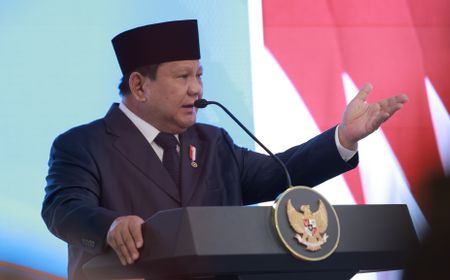
Prabowo Designates LGBTQ Culture as Non-Military Threat in Defense Policy
Politics
2026年7月6日
4
VOI English

Prabowo Designates LGBTQ Culture as Non-Military Threat in Defense Policy

AI サマリー

Indonesia's government has designated the spread of LGBTQ culture as a non-military threat in its National Defense Policy for 2025-2029. The move is part of a broader threat analysis encompassing various factors deemed potentially disruptive to national sovereignty and citizen safety.

The Indonesian government has officially designated the spread of lesbian, gay, bisexual, transgender, and queer (LGBTQ) culture as one of the non-military threats in Presidential Regulation (Perpres) Number 111 of 2025 concerning the General Policy of State Defense for 2025-2029. The Presidential Decree was issued by President Prabowo Subianto on October 24, 2025, and promulgated on the same day by Minister of State Secretary Prasetyo Hadi. The regulation is recorded in the Indonesian Republic State Register Number 173 of 2025. In the annex to the Presidential Decree, threats to national defense are divided into three groups: military threats, non-military threats, and hybrid threats. The government defines non-military threats as "unarmed efforts or activities that endanger and threaten the sovereignty of the state, the territorial integrity of the state, and the safety of the entire nation." In the threat analysis section, the Presidential Decree details various forms of non-military threats, including ideological, political, economic, social and cultural aspects, technology, public safety, and legislation. These explicitly mention "the spread of prohibited ideologies, the decline of nationalistic values and the spread of atheism, separatism, terrorism, radicalism, information warfare, economic crisis, online gambling, illegal online loans, illegal trafficking, piracy, theft of natural wealth, circulation and abuse of prohibited drugs, and the spread of lesbian, gay, bisexual, transgender, and queer (LGBTQ) culture." Furthermore, cyber attacks, attacks on national vital objects, the impact of global warming, leaks from nuclear, biological, chemical, and radioactive installations, natural disasters, and disease outbreaks are also included as part of non-military threats. However, the Presidential Decree does not provide specific explanations regarding the reason for the spread of LGBTQ culture being included in the list of non-military threats. In its introduction, the government explained that the development of the national strategic environment has brought about various new challenges, such as political polarization, disinformation, the development of artificial intelligence (AI), and cultural infiltration through information technology, which are considered potentially disruptive to national interests. The policy document also emphasizes the development of national character is directed to strengthen the values of Pancasila, religious values, the spirit of Bhinneka Tunggal Ika (Unity in Diversity), national unity, and moral strengthening as part of the national defense system.

多角的分析

経済的影響

LGBTQ文化の拡散を非軍事脅威と見なすことは、直接的な経済的影響は限定的である可能性がある。しかし、国内の保守的な価値観や宗教的感情に配慮した政策決定は、国際的な投資家や多国籍企業、特にLGBTQ+の権利を重視する企業からの投資を躊躇させる要因となり得る。これは、インドネシアが多様な労働力と国際的なビジネス慣行を推進しようとする試みとの間で、潜在的な緊張関係を生み出す。また、国内の観光業やエンターテイメント産業においても、特定の国際的なターゲット層からの魅力を低下させる可能性も否定できない。

投資家心理

この大統領令は、インドネシアへの投資を検討している投資家、特にESG(環境・社会・ガバナンス)基準を重視する投資家にとって、注意を払うべきシグナルとなる。LGBTQ+の権利に対する政府の公式な見解は、社会的な包容性や人権への配慮といった側面で、インドネシアの投資環境を評価する上でのリスク要因と見なされる可能性がある。これは、特にテクノロジーや消費財セクターなど、グローバルなブランドイメージや消費者層に影響されやすい産業において、慎重なリスク評価を促すだろう。ただし、インドネシア国内の保守的な層への配慮という側面もあり、直接的な経済的制裁につながる可能性は低い。

社会的影響

LGBTQ文化の拡散を非軍事脅威と見なす決定は、インドネシア国内のLGBTQ+コミュニティとその支持者にとって、深刻な懸念材料となる。この指定は、社会的な差別や偏見を助長する可能性があり、LGBTQ+の人々の権利擁護活動や、より包括的な社会の実現に向けた努力に水を差す懸念がある。また、これは、パンチャシラ(インドネシアの建国五原則)が掲げる「公正で文明的な人道主義」や「インドネシアの統一」といった原則との整合性についても、社会的な議論を巻き起こす可能性がある。特に、地方部や宗教的保守性が強い地域では、この指定がさらなる社会的な摩擦を生むことも考えられる。

市民の声

この決定は、インドネシア国民の日常生活に直接的な影響を与える可能性は低いものの、社会的な雰囲気や言論の自由に対する間接的な影響が懸念される。LGBTQ+コミュニティに属する人々やその支援者は、公の場での活動や表現において、より一層の注意を払う必要に迫られるかもしれない。また、この指定を巡る社会的な議論は、多様な価値観を持つ国民の間で意見の対立を生み、社会的な分断を深める可能性も指摘されている。特に、情報技術の普及により、SNSなどを通じた情報発信が容易な現代において、この問題がどのように議論され、国民の意識に影響を与えるかが注目される。

背景・歴史的文脈

インドネシアは、世界最大のイスラム教徒人口を抱える国であり、社会の保守的な価値観が根強い。LGBTQ+の権利に関する議論は、長年にわたり社会的な論争の的となってきた。過去には、2016年頃からLGBTQ+コミュニティに対する社会的な風当たりが強まり、一部の地域では集会が禁止されたり、メディアでの言及が制限されたりする動きが見られた。また、2017年には、インドネシアでLGBTQ+を標的とした犯罪が増加したという報告もあり、社会的な緊張が高まっていた。このような背景の中、プラボウォ・スビアント大統領率いる現政権は、国家防衛政策という枠組みの中で、LGBTQ文化の拡散を非軍事脅威として公式に位置づけることで、国内の保守層からの支持を固めるとともに、国家の伝統的価値観と国民の団結を維持しようとする意図があると解釈できる。

原文ソース

VOI English

原文を読む