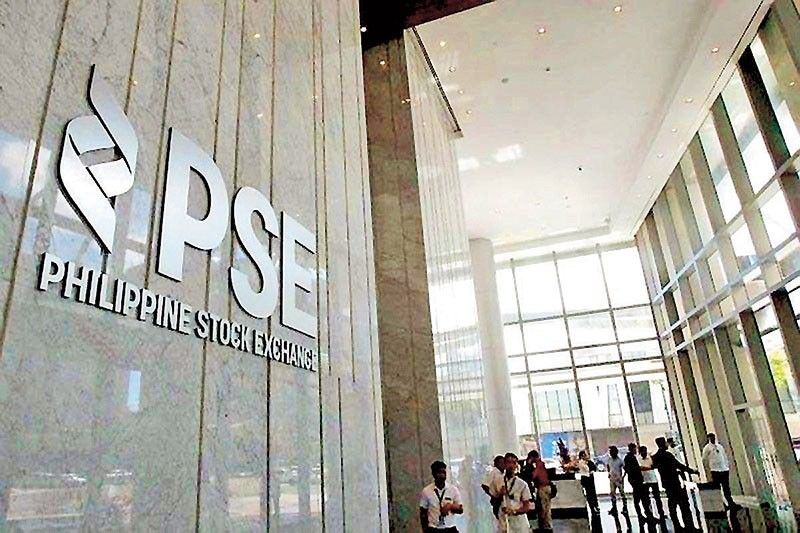
PSE President: Delistings a 'Natural Evolution' Amidst Company Exits
Business
2026年7月7日
5
Philstar Business

PSE President: Delistings a 'Natural Evolution' Amidst Company Exits

AI サマリー

The Philippine Stock Exchange (PSE) has seen 15 companies voluntarily delist over the past decade. PSE President Ramon Monzon views this as a 'natural evolution' of the capital market, noting the Philippines has a lower delisting rate compared to other ASEAN exchanges.

Philippine Stock Exchange (PSE) President and CEO Ramon Monzon has stated that the increasing number of delistings from the exchange should be viewed as a "natural evolution" of the capital market, rather than a cause for excessive concern. Monzon said that since 2016, 15 companies have voluntarily delisted from the PSE. These include firms such as Republic Cement & Building Materials Inc., Splash Corp., Liberty Telecoms Holdings Inc., Energy Development Corp., Travellers International Hotel Group Inc., Pepsi-Cola Products Philippines Inc., Eagle Cement Corp., 2GO Group Inc., Metro Pacific Investments Corp., Holcim Philippines Inc., Premium Leisure Corp., SFA Semicon Philippines Corp., Keppel Philippines Holdings Inc., 8990 Holdings Inc., and Asian Terminals Inc. However, Monzon highlighted that when compared to other stock exchanges in Southeast Asia, the PSE actually has the fewest number of delisted companies. For instance, in 2025, Singapore saw 27 companies delist, or four percent of its total listed companies. Indonesia had 15 firms delist, representing 1.6 percent of its roster, while Thailand saw 13 companies leave its bourse last year. In contrast, the Philippines had only three delistings in 2025. With approximately 282 listed companies, this represents just over one percent of the total. Monzon further noted that as of May 2025, Singapore had already recorded 11 delistings, Thailand had two, and the Philippines had only one, Asian Terminals. More recently, Robinsons Retail Holdings Inc. has requested voluntary delisting from the PSE, to take effect on July 28, 2026. MerryMart Consumer Corp. also intends to leave the exchange as the company is set to become directly part of the DoubleDragon Group. While acknowledging that losing listed companies is not ideal, Monzon emphasized the dynamism of the market where "new companies will list, and some will want to delist." He added, "I’m not that bothered about it because when you benchmark us against the other exchanges, we’re not doing as badly as it seems in terms of delisting." Factors such as the rise of alternative sources of capital, market undervaluation, and thin trading liquidity are cited by Juan Paolo Colet, managing director of China Bank Capital Corp., as among the drivers for companies to delist. Colet also noted that delistings are not unique to the Philippines, being observed in markets like Singapore, Hong Kong, and even London. Regarding the possibility of index heavyweight International Container Terminal Services Inc. (ICTSI) of tycoon Enrique Razon Jr. delisting from the PSE, Monzon stated he "does not respond to rumors." He added, "I don’t know where you hear those things because Mr. Razon is a friend of mine... And he has not even asked me about this or talked to me about this. So it’s very hard for me to address something that’s speculative and a rumor." Monzon admitted the magnitude of such a delisting if it were to occur. "As I said, all delistings bother me. Can you imagine if the number one listed company in the market will delist? I may not be able to sleep for two weeks." He believes it would not only bother him and the Stock Exchange but also the country, "because the capital market is a representative of the economy." Monzon believes the PSE's challenge lies in ensuring that all listed companies are supported by good infrastructure and fair treatment from regulators. He expressed hope that the PSE can become stronger through these experiences, as more delistings are likely to persist in the coming years. Source: Philstar Business

多角的分析

経済的影響

フィリピン証券取引所(PSE)からの上場廃止企業の増加は、国内資本市場の成熟度とダイナミズムを示す一方で、市場の流動性や投資家保護の課題を浮き彫りにする。代替的な資金調達手段の拡大や、グローバル市場との競争激化を背景に、企業はより有利な市場環境を求めて上場廃止を選択する傾向にある。これは、PSEの市場規模拡大や新規上場促進政策の効果を測る上で重要な指標となる。特に、ICTSIのような時価総額の大きい企業の動向は、市場全体のセンチメントに大きな影響を与えうる。

投資家心理

投資家にとっては、上場廃止はポートフォリオの見直しやリスク管理の必要性を示唆する。特に、流動性の低い銘柄や、業績不振、あるいは経営戦略の変更により上場廃止に至る企業は、投資回収の機会が限定される可能性がある。一方で、上場廃止が市場の健全化や、より有望な新規上場企業への投資機会創出につながる可能性も否定できない。投資家は、個別企業の財務状況や市場動向を注視し、リスク分散を徹底する必要がある。

社会的影響

上場廃止は、直接的には企業の従業員やサプライヤー、そしてその企業が地域経済に与える影響を通じて、社会に波紋を広げる可能性がある。例えば、過去に上場廃止した企業の中には、事業再編や買収に伴う人員削減などが発生したケースもある。また、PSEのような公的な市場から企業が離れることは、国民の経済活動への信頼感にも間接的な影響を与えうる。特に、地方経済においては、有力企業の存在が雇用や地域活性化の重要な柱となっている場合もあり、その動向は注視されるべきである。

市民の声

市民、特に個人投資家にとっては、上場廃止は保有株式の価値や換金性に直接影響を与える可能性がある。例えば、保有している企業の株式が上場廃止となれば、市場での売買が困難になり、保有価値が大きく変動するリスクが生じる。また、上場廃止の背景にある企業の経営状況や市場環境の変化は、将来の雇用機会や経済全体の安定性に対する市民の不安を増幅させる可能性もある。PSE社長が言うように、資本市場は経済の鏡であり、その変動は市民生活に無関係ではない。

背景・歴史的文脈

フィリピン証券取引所(PSE)における上場廃止の動きは、過去数十年間のフィリピン経済の発展とグローバル化の進展と密接に関連している。1990年代後半のアジア通貨危機後、フィリピン経済は構造改革を進め、資本市場の整備も進められた。しかし、近年では、代替的な資金調達手段の多様化、特にプライベートエクイティやベンチャーキャピタル、あるいは海外市場への上場といった選択肢が、フィリピン国内企業にとってより魅力的になっている。また、グローバル経済の不確実性や、国内市場の流動性、規制環境などが、企業の上場廃止判断に影響を与えていると考えられる。

原文ソース

Philstar Business

原文を読む