Vietnam Seeks 'Green Lane' for Fruit, Vegetable Exports to China
Economy
2026年7月2日
5
VietnamPlus English
Relations
🇻🇳Vietnam🇨🇳China

Vietnam Seeks 'Green Lane' for Fruit, Vegetable Exports to China

AI サマリー

Vietnam is pushing for the implementation of a 'green lane' system to streamline fruit and vegetable exports to China. This initiative aims to enhance quality control and traceability from the cultivation stage, enabling on-site quarantine procedures and certificate of origin issuance. It is expected to expand the market share and increase export value for Vietnamese agricultural products.

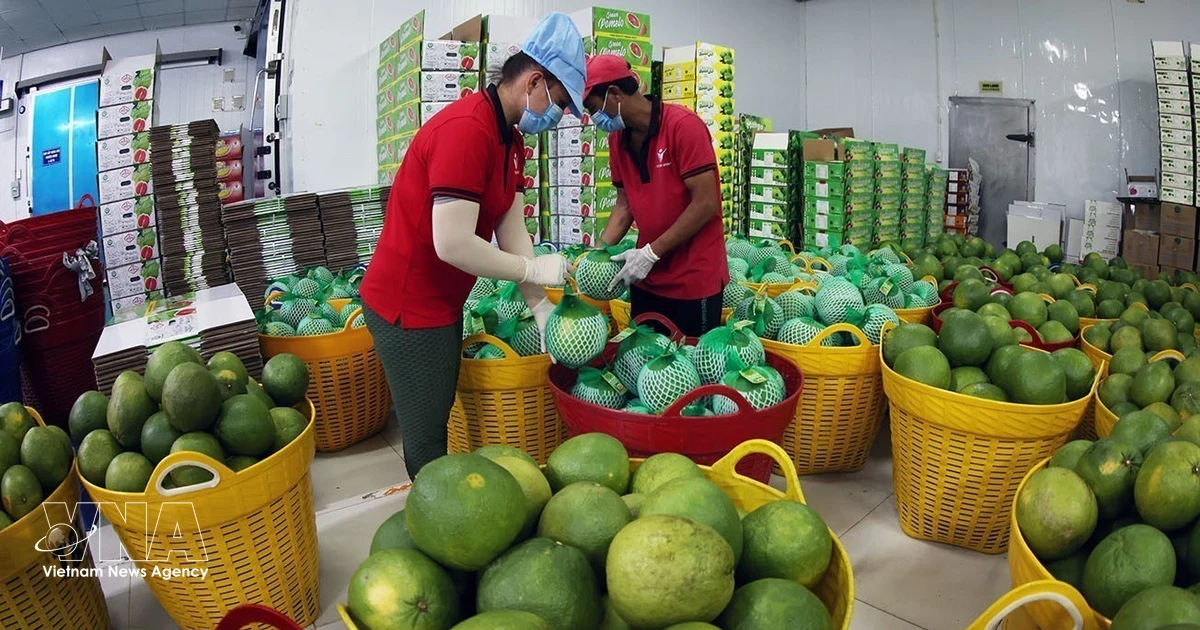
Vietnam is strongly advocating for the implementation of a "green lane" system to facilitate the export of its fruits and vegetables to the Chinese market. This initiative aims to ensure product safety by enforcing strict quality control from the cultivation stage, including soil sampling and monitoring, and by attaching traceability labels throughout the harvesting and processing phases. Furthermore, it seeks to streamline the entire export process by allowing plant quarantine procedures and the issuance of certificates of origin (C/O) to be conducted directly in the localities where the orchards are situated. According to the Ministry of Agriculture and Environment (MAE), fruit and vegetable exports were estimated at US$2.18 billion in the second quarter. In particular, agricultural exports through the Kim Thanh International Road Border Gate No. 2 in the northern province of Lao Cai are gaining momentum, driven by soaring durian shipments. Streamlined customs procedures and businesses' compliance with China's import standards have enabled Vietnamese farm produce to expand its market share and further boost export value. Deputy Prime Minister Ho Quoc Dung praised the Ministry of Agriculture and Environment for developing and putting the system into operation, stating that it "would improve transparency across the agricultural supply chain, enable the tracing of product origins and help safeguard the quality and reputation of Vietnamese agricultural products in international markets." This effort is seen as part of the Vietnamese one-party system's policy to prioritize economic growth and increase foreign exchange earnings through export promotion. Economic relations with China are crucial for Vietnam, and easing trade barriers could benefit both economies. Concurrently, while aiming to increase exports to China, Vietnam is also diversifying its markets. For instance, Vietnam's aviation market is expected to gain an additional 8.6 million passengers by 2030, with about 3.2 million additional passengers across the Tan Son Nhat–Long Thanh airport system. In Ho Chi Minh City, projects are being financed through a combination of public investment, public-private partnerships (PPP), and private capital, reflecting the government's policy of promoting private sector development. Source: VietnamPlus English

多角的分析

経済的影響

ベトナムが中国への果物・野菜輸出で「グリーンレーン」を求める動きは、中国市場への依存度が高いベトナムの農業セクターにとって、輸出の安定化と収益性向上に直結する。過去、中国の輸入規制の変更により、ベトナム産農産物が輸出困難に陥る事例は少なくなかった。今回の「グリーンレーン」導入は、栽培段階からの品質管理とトレーサビリティの強化を通じて、中国側の要求に応えつつ、ベトナム産農産物の国際競争力を高める狙いがある。これは、ベトナムが輸出主導型経済を推進する中で、主要貿易相手国である中国との貿易摩擦を回避し、経済成長を維持するための戦略的な一歩と言える。特に、ドリアンなどの高級果物の輸出増加は、農家所得の向上に貢献し、地方経済の活性化にも繋がる可能性がある。

投資家心理

ベトナム産果物・野菜の中国向け輸出における「グリーンレーン」導入の試みは、投資家にとって、ベトナムの農業関連企業への投資機会の拡大を示唆する。この制度が実現すれば、輸出プロセスの効率化と品質保証の強化により、ベトナム産農産物の市場での信頼性が向上し、輸出量の安定化と増加が期待できる。これにより、輸出業者や加工業者、さらには関連インフラ(物流、港湾など)への投資妙味が増す可能性がある。しかし、中国の規制当局の承認プロセスや、制度の運用における不確実性も考慮する必要があり、投資判断においては慎重なリスク評価が求められる。

社会的影響

「グリーンレーン」制度の導入は、ベトナムの農村地域に住む多くの農家にとって、収入の安定化と生活水準の向上に繋がる可能性がある。栽培段階からの品質管理強化は、農家がより高品質な農産物を生産するための技術導入や知識習得を促すだろう。また、トレーサビリティの強化は、消費者の信頼を得る上で不可欠であり、ベトナム産農産物のブランド価値向上に貢献する。しかし、制度導入に伴う新たな基準への対応や、小規模農家が直面する可能性のある技術的・経済的負担も考慮する必要がある。さらに、中国市場への依存度が高まることで、将来的な市場変動リスクへの脆弱性が増す可能性も指摘できる。

市民の声

ベトナムの市民、特に地方の農家にとっては、「グリーンレーン」制度は収入の安定化と生活の質の向上に直結する可能性がある。栽培段階からの品質管理強化は、より付加価値の高い農産物の生産を促し、農家の所得増加に繋がる。また、輸出の円滑化は、国内市場への供給安定にも寄与し、食料品価格の安定にも貢献すると考えられる。しかし、新たな品質基準への適応や、それに伴うコスト増加が、特に小規模農家にとって負担となる可能性もある。また、中国市場への輸出依存度が高まることで、中国側の政策変更や市場変動が、市民の生活に直接的な影響を与えるリスクも懸念される。

背景・歴史的文脈

ベトナムは1986年のドイモイ政策以降、市場経済化を進め、輸出主導型経済を構築してきた。特に中国は、地理的な近接性からベトナムにとって最大の貿易相手国であり、農産物輸出においても極めて重要な市場である。しかし、中国側の輸入規制の変更や、品質・安全基準の厳格化は、ベトナム産農産物の輸出に度々影響を与えてきた。過去には、特定の農産物に対する突然の輸入停止措置などが、ベトナムの農家や輸出業者に打撃を与えた事例もある。こうした経験から、ベトナム政府は、輸出プロセスの透明性と効率性を高め、国際基準への適合を強化することで、中国市場での安定的なアクセスを確保し、同時に他国への輸出拡大も目指す戦略をとっている。

原文ソース

VietnamPlus English

原文を読む